How to prune asparagus fern? Detailed explanation of the pruning steps
I have five or six asparagus fern plants, growing very tall, with fairly lush leaves on top. How should I prune them so the lower parts become denser and the plants multiply more? If I cut the tops now, the lower parts will be bare. Or should I wait a while before pruning?
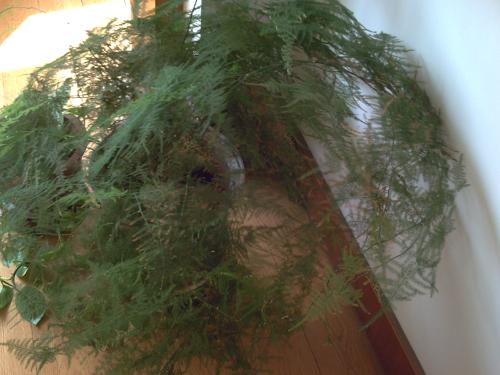
In response to the above questions about pruning asparagus fern, the editor below will introduce how to prune asparagus fern!
Asparagus fern seedlings sown for one year will not grow new climbing stems, so generally no pruning is needed, only proper tying. Asparagus fern that has grown for two years will grow new stems that can climb upward, and can then be treated differently as needed; you can let it climb and grow, or prune and shape it. Pruning and shaping mainly involves pruning old stems at different heights so that new branches and leaves emerge from the upper leaf stems, creating a layered shaping effect. To ensure the asparagus fern grows well and has a beautiful plant shape, during growth you also need to cut off overly dense branches, dead branches, and weak branches to improve ventilation and light penetration.
Because the top of the asparagus fern tends to grow upward, when the top branches and leaves grow luxuriantly, they also produce a hormone that inhibits the growth of side branches. After the top branches are cut off, the inhibiting effect on the side branches is gone. Therefore, asparagus fern only looks good when pruned regularly.
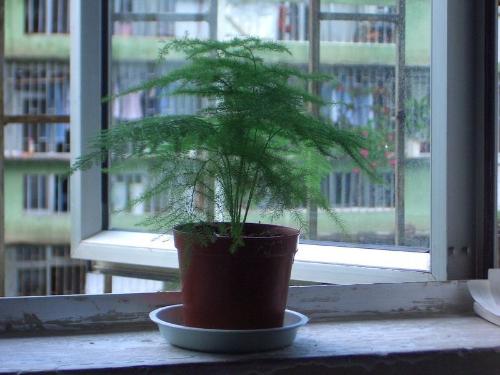
Ensure correct care and ensure the supply of fertilizer and water nutrients, and only then will new branches grow luxuriantly like this.
First observe the whole plant's diseased leaves, old leaves, overlapping ones, and leggy growth, then think about the shape. Usually it is about creating a mood, mostly cloud-like layered forms, expressing a theme of leisure and elegance. Third, you can start cutting. The steps are the diseased leaves, then the old leaves, then observe again, and cut off the ones that are again overlapping and leggy. Finally, add a little soil at the edges and put some moss or the like, so it can retain moisture.