How to care for wax begonias in winter? Winter care tips shared
What should you pay attention to when caring for wax begonias in winter? Below we bring you winter care knowledge for wax begonias.
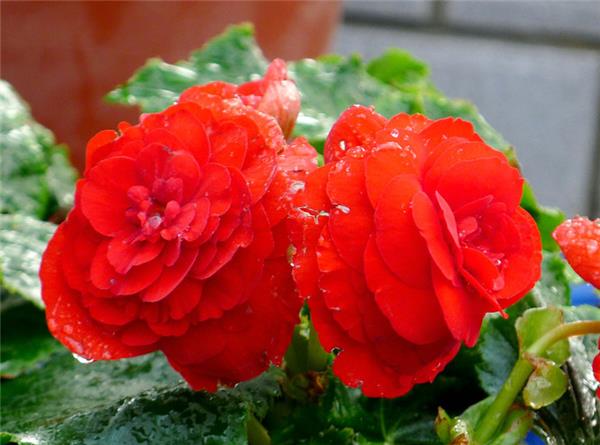
Winter care knowledge for wax begonias
Recently, temperatures have gradually dropped, especially in the morning and at night, when the weather is particularly cold. For home care of begonias, the potted plants should be moved to a sunny spot indoors before frost.
At night, move the potted plants to a table farther from the window so the leaves do not freeze. During the day, move them back to a sunny spot on the windowsill. To make the plant grow evenly, turn the pot frequently.
Sometimes the daytime weather is clear and the indoor temperature rises, so you can open doors and windows for ventilation, but be careful not to place the potted plants in a drafty spot. When wax begonias overwinter indoors, they should not be fertilized, to prevent the growth of thin, weak new shoots and leaves, and withering from improper cultivation.
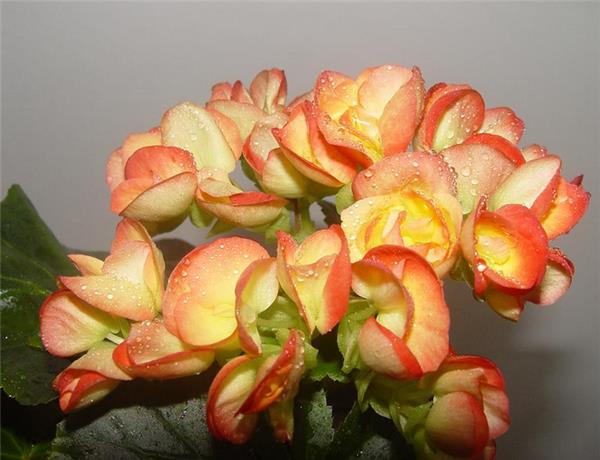
If the indoor temperature drops to 0°C, cold protection measures should be taken. You can insert three or four thin bamboo sticks into the pot as a frame, then cover the whole pot with a transparent plastic bag, and seal the bottom opening. After the room temperature rises, many water droplets will form inside the bag; at this point, remove the plastic bag to avoid causing leaf rot. If the room has heating or a stove for warmth and the room temperature can be kept above 15°C, wax begonias will grow as usual and bloom continuously, but never place the potted flowers too close to the stove or radiator, to avoid scorching damage.
The stems and leaves of wax begonias are succulent and rich in water. After winter begins, growth is relatively slow and water consumption is not great, so do not water too much. Generally, after 3-4 days, when the surface of the potting soil turns white, or when it feels rather hard to the touch, water once. It is best to keep the potting soil moist with a tendency toward dry, and avoid overwatering, which makes the potting soil sticky and rotten. In winter, watering is generally done around midday, which reduces the temperature difference and benefits plant growth. When there is a lot of dust on the leaves, choose a sunny day with gentle wind and rinse gently with clean water to keep the leaf surface clean and glossy.
When the weather gradually warms up next year, you can move the wax begonias outdoors for care as appropriate.
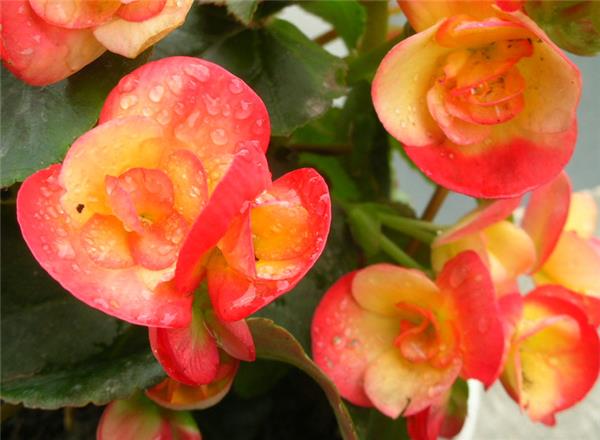
Finally, let us look at summer care knowledge for wax begonias.
1. Moderate watering
Wax begonias like a humid environment, but in the hot summer it is best to keep the potting soil slightly moist. Do not water a fixed number of times per day or once every few days; instead, always observe the dry and wet condition of the potting soil. When the potting soil turns white, water it, and the amount of water should not be too much. The best time to water is around 9 o'clock. As much as possible, do not water when dry, and when watering, water thoroughly, but do not wait until it is completely dry before watering.
2. Fertilizing by category
For summer fertilization of wax begonias, treat new and old plants differently. For new plants propagated in the autumn of the previous year, after each flush of flowers apply some well-rotted diluted cake fertilizer water, with a fertilizer-to-water ratio of 1:5, once a week, for two consecutive applications, and after two weeks they can bloom again. For perennial old plants or weak-growing plants, when the temperature is above 25°C, fertilization must be stopped, and resumed after the dog days pass, to welcome the second peak blooming season.
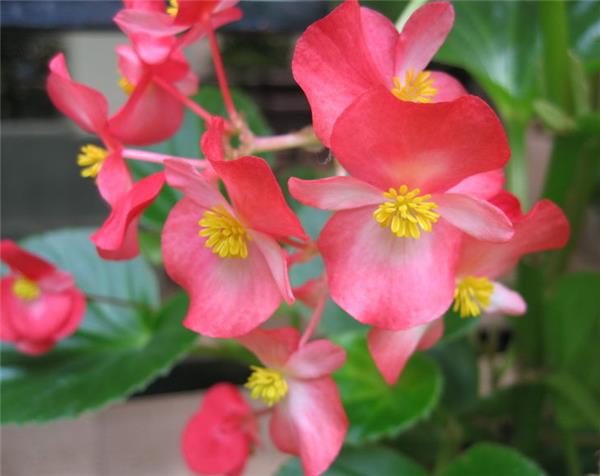
3. Lowering temperature and increasing humidity
Summer temperatures are high and the air is dry. In addition to shading and ventilating wax begonias, you also need to sprinkle water on the ground around the plants several times a day to lower the temperature and increase air humidity. If conditions allow, households can set up a sand bed in a corner of the balcony or courtyard, place the plants on the sand surface or set them into the sand bed, and while watering the plants, wet the sand as well. This can play a good role in lowering temperature and increasing humidity.
4. Disease and pest control
Under conditions of high temperature and high humidity, wax begonias are highly prone to bacterial leaf spot disease. At first, dark brown spots appear on the leaf surface, gradually spreading into dark brown concentric rings. Before the disease occurs, spray equal-ratio Bordeaux mixture for prevention, and pay attention to improving cultivation conditions and management methods. In the early stage of the disease, promptly remove and burn the diseased leaves to prevent further spread. Summer is a period of high incidence of aphids and red spider mites, so promptly use pollution-free pesticides for control.