Is the Peace Lily Poisonous? Toxicity Issues to Understand When Keeping It at Home
The peace lily (Spathiphyllum) originated in Colombia, growing in tropical rainforests. It is one of the most popular indoor foliage plants in Europe, and is now cultivated in various places. But recently many friends have been discussing the question of whether the peace lily is poisonous, so below the editor will introduce the peace lily in detail.
Introduction to the Peace Lily Plant
Spathiphyllum, also known as the peace lily and white sail, is a member of the Araceae family (Spathiphyllum), a perennial evergreen herbaceous foliage plant. It originated in Colombia, grows in tropical rainforests, and is one of the most popular indoor foliage plants in Europe. The "peace lily" gets its name because its leaves resemble those of the prayer plant, and its flowers resemble a crane holding its head high, slender and elegant, pure and spotless white, thus giving people a sense of "purity, calm, peace and tranquility," and it is regarded as the "flower of innocence." Because people feel the peace lily carries an auspicious meaning, they specially named it "peace lily" based on the beauty of its flower's appearance.
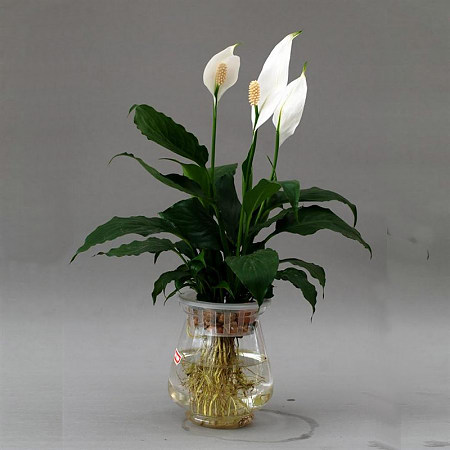
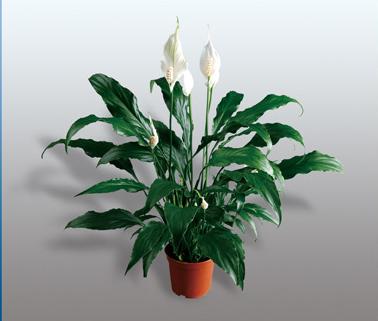
Morphological characteristics: a perennial evergreen herbaceous foliage plant. The plant height is 40-60 cm, the leaves are oblong or nearly lanceolate with tapering ends, and the flower is a spathe, slightly fragrant, leaf-shaped, meaning its flower has no petals but is simply composed of a white bract and a yellow-white spadix, resembling a palm, hence the name white sail; its flower is large and prominent, with a long stalk rising above the leaves, white or green. The flowering period is from May to August.
The Benefits of the Peace Lily
1. Blessing
Flower meaning: it signifies that the owner can have smooth sailing. It represents a kind of hope, a kind of prayer.
2. Purifying the air
The peace lily can remove: ammonia, acetone, benzene, trichloroethylene, and formaldehyde, playing a role in purifying the air. A few pots of peace lilies can be placed in a newly renovated house. Families with children at home must pay special attention, to avoid accidental ingestion.
Bathrooms are often warm and humid, which exactly suits the habits of the white sail. It is an "expert" at suppressing waste gases exhaled by the human body, such as ammonia and acetone. It can be placed in the bathroom to purify the air. We know that bathrooms may produce ammonia, so placing it in the bathroom can not only beautify the environment but also purify the air, making the air fresh and new. Two benefits in one.
In addition, the bedroom is also a relatively suitable place for the white sail to live. Moreover, the white sail can absorb waste gases indoors, and its high evaporation rate can prevent the nasal mucosa from drying out, greatly reducing the possibility of illness, which is undoubtedly good news for everyone.
At the same time, weak light in the bathroom and bedroom is best, as it is relatively suitable for the growth of the peace lily.
How to Grow the Peace Lily
The peace lily is relatively shade-tolerant, and about 60% scattered light is enough to meet its growth needs, so it can be kept year-round indoors in a spot with bright scattered light. In summer, 60%-70% of sunlight can be shaded out; direct strong light should be avoided, otherwise the leaves of the peace lily will turn yellow, and in severe cases sunscald will occur. In northern winters, greenhouse cultivation can go without shading or with little shading. If the light is too dim for a long time, the peace lily will not easily bloom.
The peace lily is a heat-loving species and should be cultivated in a high-temperature greenhouse. In winter, the minimum nighttime temperature should be 14-16°C, and the daytime temperature should be around 25°C. Prolonged low temperatures can easily cause the leaves of the peace lily to drop or turn scorched yellow.
During the growth period, the peace lily should be kept with moist potting soil, but excessive watering should be avoided, otherwise it can easily cause root rot and yellowing and withering of the plant. In summer and dry seasons, a fine-nozzle sprayer should often be used to spray water on the leaves of the peace lily, and water should also be sprinkled on the ground around the peace lily plant to keep the air humid. In winter, watering should be controlled, and the potting soil should preferably be slightly moist.
Potted peace lilies require loose soil with good drainage and aeration; heavy clay soil must not be used. Generally, leaf mold, peat soil mixed with a small amount of perlite can be used as the growing medium; when planting, add a small amount of organic fertilizer as a base fertilizer. Because the peace lily grows quickly and has a relatively large nutrient requirement, liquid fertilizer must be applied once every 1-2 weeks during the growing season.
The Feng Shui Significance of the Peace Lily
The feng shui significance of the peace lily mainly comes from the following two characteristics of the peace lily, namely its ornamental value and its functional value.
The ornamental value of the peace lily: because its leaves resemble those of the prayer plant and its flowers resemble a crane holding its head high, slender and elegant, pure and flawless, it gives people a sense of "purity, calm, peace and tranquility," and is regarded as the "flower of innocence." Because people feel the peace lily carries an auspicious meaning, they specially named it "peace lily" based on the beauty of its flower's appearance.
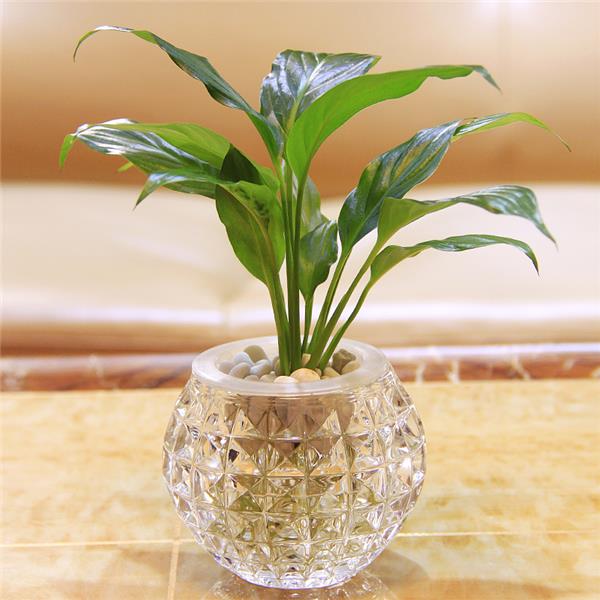
The functional value of the peace lily: the peace lily is a famous waste gas screening program; especially when grown with water roots, the peace lily can regulate indoor temperature and humidity through transpiration, effectively purifying volatile organic compounds in the air, such as: alcohol, acetone, trichloroethylene, benzene, toluene, chlorine monoxide, ozone, etc. Among these, its purification rate for ozone in particular is especially high. Placed next to the kitchen gas stove, it can purify the air and remove cooking odors, oil fumes, and volatile substances. This beautiful indoor plant, native to the tropical rainforests of Venezuela, is undoubtedly a miracle in medicinal biology.
Is the Peace Lily Poisonous?
Although the peace lily and similar plants are natural scavengers that can remove harmful substances from the air, their sap is toxic. The "peace lily" leaves contain oxalic acid and araceae compounds; after accidental ingestion, they can cause tumors in the mouth, throat, esophagus, and gastrointestinal tract, and even damage the vocal cords, making a person mute. Contact with the skin can cause intense itching and produce uncomfortable symptoms.
If a child accidentally ingests the peace lily, brown sugar water boiled with ginger slices can be taken orally, or ginger slices can be held in the mouth. If the condition is relatively serious, go to the local hospital for treatment.
The white sail is an "expert" at suppressing waste gases exhaled by the human body, such as ammonia and acetone. Is the peace lily poisonous? At the same time, it can also filter benzene, trichloroethylene, and formaldehyde from the air. Its high evaporation rate can prevent the nasal mucosa from drying out, greatly reducing the possibility of illness.
They specially named it "peace lily" based on the beauty of its flower's appearance.The functional value of the peace lily: the peace lily is a famous waste gas screening program; especially when grown with water roots, the peace lily can regulate indoor temperature and humidity through transpiration, effectively purifying volatile organic compounds in the air, such as: alcohol, acetone, trichloroethylene, benzene, toluene, chlorine monoxide, ozone, etc. Among these, its purification rate for ozone in particular is especially high. Placed next to the kitchen gas stove, it can purify the air and remove cooking odors, oil fumes, and volatile substances. This beautiful indoor plant, native to the tropical rainforests of Venezuela, is undoubtedly a miracle in medicinal biology.
Is the Peace Lily Poisonous?
Although the peace lily and similar plants are natural scavengers that can remove harmful substances from the air, their sap is toxic. The "peace lily" leaves contain oxalic acid and araceae compounds; after accidental ingestion, they can cause tumors in the mouth, throat, esophagus, and gastrointestinal tract, and even damage the vocal cords, making a person mute. Contact with the skin can cause intense itching and produce uncomfortable symptoms.
If a child accidentally ingests the peace lily, brown sugar water boiled with ginger slices can be taken orally, or ginger slices can be held in the mouth. If the condition is relatively serious, go to the local hospital for treatment.
The white sail is an "expert" at suppressing waste gases exhaled by the human body, such as ammonia and acetone. Is the peace lily poisonous? At the same time, it can also filter benzene, trichloroethylene, and formaldehyde from the air. Its high evaporation rate can prevent the nasal mucosa from drying out, greatly reducing the possibility of illness.