What are the benefits and effects of the sago palm? A detailed explanation
Everyone has surely heard the phrase "the sago palm blooms," and today the editor will introduce the benefits and effects of the sago palm for you.
Medicinal value
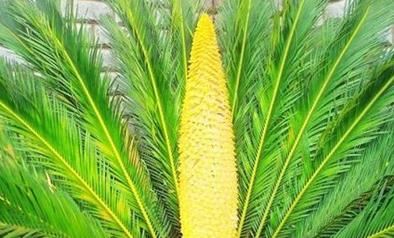
Functions and indications
Leaves: astringent and stops bleeding, detoxifies and relieves pain. Used for various types of bleeding, gastritis, gastric ulcer, high blood pressure, neuralgia, amenorrhea, and cancer.
Flowers: regulate qi and relieve pain, tonify the kidney and secure essence. Used for stomach pain, spermatorrhea, leukorrhea, and painful menstruation.
Seeds: calm the liver and lower blood pressure. Used for high blood pressure.
Roots: dispel wind and activate collaterals, tonify the kidney. Used for pulmonary tuberculosis with hemoptysis, toothache due to kidney deficiency, low back pain, leukorrhea, rheumatism with numb and painful joints, and traumatic injuries.
Usage and dosage: leaves and flowers 1 to 2 liang; seeds and roots 3 to 5 qian.
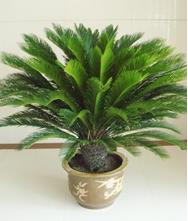
Note
The seeds and the pith at the top of the stem of the sago palm are toxic, so caution is advised when using them.
Nature, flavor, and channel tropism
Sweet, bland, neutral, slightly toxic. This species is a toxic plant, and its toxicity lies in the slight toxicity of the seeds and the pith at the top of the stem. After poisoning, people experience dizziness and vomiting. Residents of the Ryukyu Islands who ate starch made from this plant were once poisoned, with symptoms including absence of sweating, vomiting, loss of consciousness, and even death.
Supplementary formulas
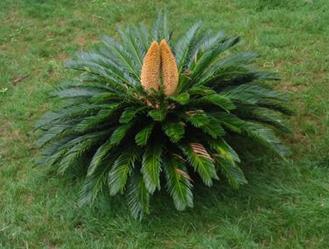
"Hua Jing": The leaves grow two to three chi long, and each leaf sends out fine pointed leaflets, shaped like phoenix feathers, hence the name phoenix-tail banana. It also says that it can ward off fire disasters. Therefore it is also called fire-avoiding banana. This plant grows very slowly and has a lifespan of about 200 years. Sago palms cultivated in the Yangtze River basin and various places in the north often never bloom in their entire lives.
"Nan Yue Notes" says: The sago palm is iron-colored throughout with a slight red tinge, and because it is difficult to grow, it is also called the iron tree.
Pharmacological effects
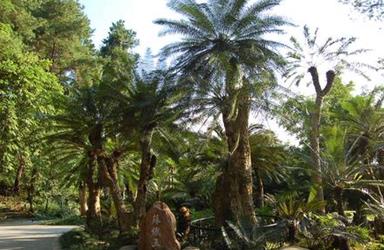
Carcinogenic effects
The carcinogens of the sago palm are the azoxy glycosides it contains, cycasin and neocycasin A and B. Long-term or single feeding or enema administration of cycasin can cause breast cancer, liver cancer, kidney cancer, and intestinal cancer in rats, lung adenoma in mice, and can also cause tumors in guinea pigs and voles. It is generally believed that cycasin itself is not toxic or carcinogenic, and must be hydrolyzed by beta-glucosidase from intestinal bacteria to produce methylazoxymethanol (that is, cycasin aglycone), which is then converted into an electrophilic intermediate, forming an active methyl group capable of reacting with biologically active substances such as nucleic acids. Therefore, non-oral routes such as intraperitoneal administration generally cannot cause cancer. It is only that beta-D-glucosidase is present in the skin of newborn mice, newborn voles, and newborn rats, so subcutaneous administration can also induce tumors. Cycasin is water-soluble and can be removed by thorough washing with water.
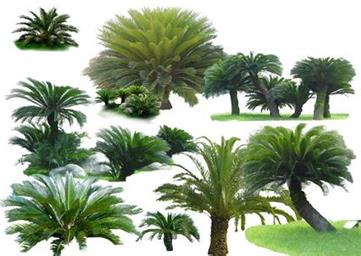
Neurotoxicity
When cattle eat the fruit and seeds of the sago palm, it can cause paralysis, and amyotrophic lateral sclerosis often occurs; demyelination occurs in the fasciculus gracilis and the dorsal spinocerebellar tract, with deposition of osmiophilic substances. In rats or golden hamsters, fetuses exposed to cycasin aglycone in the mother's body develop microencephaly after birth, with narrowing of the bony cranial vault, but survival time is still quite long; some rats develop glioma after 13-15 months.
Toxicity
After oral administration of a large dose of cycasin to mice, there is no immediate poisoning phenomenon, but after 12-18 hours, dyspnea and death from respiratory muscle paralysis occur. The median lethal dose by gavage in mice is 1.67 g/kg, in guinea pigs 1.0 g/kg, and the minimum lethal dose (MLD) by intraperitoneal injection in rats is 44 mg/kg. Cycasin has slight effects on respiration, blood pressure, the heart, blood vessels, intestines, and uterus.