How to grow potted vegetables on the balcony? Grow healthy vegetables with your own hands
As people's living standards improve, some meat products have actually not become widespread among people. But when it comes to vegetables, there is a demand for novelty. So how should we use effective space to grow the vegetables we want? A balcony, I think every household has one! So why don't we use the balcony to grow potted vegetables? This way it can be beautiful, and it can also be enjoyed and harvested. And its growing method is also very easy. So next, let me, as the editor, introduce its growing methods and precautions to everyone!
Introduction to potted vegetables
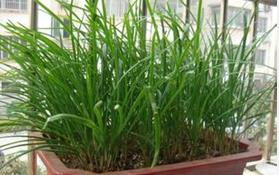
Potted vegetables can serve as miniature bonsai to decorate the home, dressing up the courtyard and balcony in lush green and bright red. As people's living standards continue to improve, some consumers show a demand for novelty and uniqueness in vegetables, and some new growing methods are gradually being accepted by people. Many city residents hope to grow some vegetables that are both ornamental and edible, and during the New Year and festivals they can also be given as gifts to relatives and friends. However, it is very inconvenient for residents to raise seedlings and mix soil at home themselves, and many people still do not understand the techniques, making it very difficult to grow successfully. If suburban vegetable farmers use potted methods to grow the vegetables well in their own fields and then sell them to city residents, it will be much easier for the residents to just care for them at home. Farmers can also obtain relatively high economic benefits. Generally, growing potted vegetables in 667 sq m under protected cultivation can produce about 12,000 pots (2 crops per year). Calculated at a selling price of 3 to 5 yuan per pot, the output value of 667 sq m can reach 40,000 to 50,000 yuan. After deducting expenses, the benefit of 667 sq m can reach more than 25,000 yuan.
Types of potted vegetables
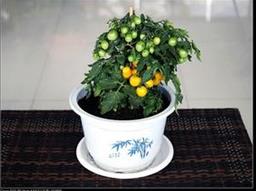
Fruit-type vegetables: colored sweet peppers, dwarf tomatoes, cherry tomatoes, firm-fruited tomatoes, ornamental eggplants, small peppers, miniature watermelons, and various pumpkins, melons, zucchini, okra and naranjilla, etc.
Colored vegetables: leaf beets, various lettuces, Gynura bicolor, perilla, purple mallows and variegated kale, etc.
Green leafy health vegetables: lettuce, parsley, Anredera cordifolia, Kochia scoparia, mizuna, pearl, kale, basil, leaf goji, Chinese chives and vegetable jute, etc.
Root and stem vegetables: fennel, cherry radishes, kohlrabi, turnips, miniature radishes and carrots, etc.
Conditions for growing potted vegetables
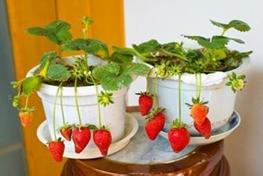
1 Materials: plastic flower pots, clay pots or wooden pots, which must be thoroughly disinfected when used.
2 Soil: generally, peat, vermiculite, perlite or clean river sand can be selected as the basic soil medium.
3 Certain microorganisms can be used, so that through the activity of beneficial bacteria, the full use of nutrients by vegetables can be promoted.
4 Chemical pesticides must not be used. However, plant-based and mineral-based biological pesticides can be used to prevent the harm of diseases and pests.
Key growing points
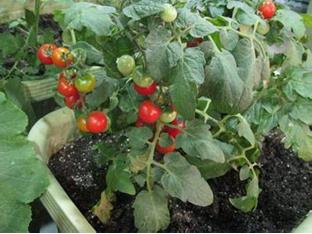
1 Choose suitable seeds, then cultivate according to the seed's growth period and the consumer's needs. This can add a touch of beauty to the balcony and meet the need for harvesting.
2 Grow the vegetables you need according to temperature, sunlight and humidity.
3 The management of water and fertilizer must be scientific. Only with a suitable amount of water and nutrient fertilizer can the plants be guaranteed to grow healthily and flourish.
Balcony potted vegetables
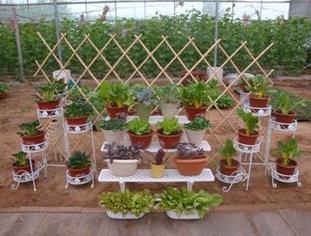
To grow potted vegetables on the balcony, it is necessary to decide which varieties to grow based on the air humidity and sunlight. Of course, the space on the balcony is also very important, because potted vegetables can not only add an artistic touch to the home, but also provide people with safe, non-toxic green vegetables to eat.
Generally speaking, if space permits, many varieties of vegetables can be grown. And because of the enclosed nature of the balcony and the sunlight exposure, vegetables can be grown all year round. If the balcony faces south, then any vegetables you want can be grown in every season, for example: cucumbers, tomatoes, enoki mushrooms, green peppers, lotus root, etc. can all be grown. If the balcony faces east or west, then some shade-tolerant and sun-loving plants can be grown, such as onions, Chinese chives, loofah, radishes, etc. Of course, attention must be paid in summer to trying to defend against the strong light and radiation reflected from the buildings behind, so as to ensure the vigorous growth of the plants.
Different varieties of vegetables have different harvest periods, and below is a summary compiled by the editor of different vegetables that can be grown in different cycles:
Short-cycle fast vegetables: garlic sprouts, small bok choy, mustard greens, leaf lettuce, etc.
Vegetables with a long harvest time: tomatoes, Chinese chives, scallions, peppers, etc.
Space-saving vegetables: carrots, cilantro, ginger, garlic, etc.
How to control pests and diseases in balcony potted vegetables
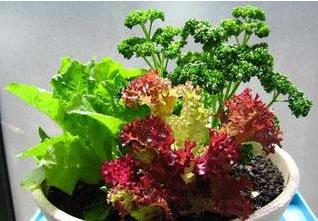
1. Handpick insects. Although primitive, it is very effective. Always pay attention to the front and back of vegetable leaves and the surrounding soil to see whether there are signs of pests.
2. Isolation. As soon as you see branches and leaves infected or eaten by pests and diseases, they should be removed immediately and thrown into compost. Vegetables that are too severely damaged should be pulled up by the roots and thrown into compost.
3. Homemade natural insecticides. There are many simple and effective formulas. An editor of a science magazine once introduced such a method: "When my vegetable garden was suffering greatly from pests, I found that some plants around the garden were completely unharmed. I picked some branches and leaves of these plants, put them in a blender and blended them, then mixed them with an equal amount of water to make a solution. I sprayed this solution on the vegetables in the garden, and the result was very effective." This is because those plants unaffected by pests must contain some substance that resists disease and repels insects. In addition, asparagus juice can kill nematodes that harm tomatoes. Garlic also has a very good bactericidal and insect-repelling effect, and can be ground into powder or squeezed into juice to spray on vegetables and seeds. Horseradish also has a strong bactericidal and insect-repelling ability, and additionally has the effect of purifying the soil. Orange peel, chili peppers, garlic, mint, marigolds, sage, rosemary, nasturtiums and other plants can all be used to make insect repellents.
4. Plow the soil. This can control pests such as cutworms, cotton bollworms, leafhoppers, aphids and mole crickets. These pests like to lay eggs on crop stubble or in the soil after the summer and autumn harvest. Therefore, after the autumn harvest, plow the land once and bury the crop stubble into the soil to prevent pests from laying eggs on it. Before planting in early spring, plow the land again, which will eliminate most of the remaining pests. The plowing depth must be at least 15 cm. This can turn out the eggs, pupae and larvae of pests hiding in the ground, letting the hot sun, hot wind and natural enemies destroy them. In our grandparents' era, beneficial birds such as egrets were commonly seen following the farmer's plow, scratching for insects to eat. Egrets are rarely seen now. But when plowing, if you can catch a few chickens and have them follow behind to eat insects, it will also have a good effect.
5. Use protective sleeves to protect seedlings. Wrap brown cardboard around the stems of seedlings, insert 5 cm into the soil, and leave about 3 cm exposed above the ground. This can effectively prevent cutworms from biting through the seedlings. This method can also be used against cotton bollworms.
6. Sprinkle flour. In the early morning while the dew has not yet dried, sprinkle some flour on bok choy or cabbage leaves. Near noon, you will see plump cabbage caterpillars struggling in the batter and dying under the blazing sun.
7. Invite beneficial insects to help. Insects such as praying mantises, seven-spotted ladybugs, parasitic wasps and ground beetles can help us eliminate many pests, and you can think of some ways to attract them.
8. Think of some ways to attract birds to help catch pests.
9. Make traps. This method can be used against earwigs. Take four 30 cm long bamboo tubes, paint them green, let them dry, then tie them into a bundle with nylon rope and place it under the fence or in other places where earwigs frequently appear. A few days later, on an early morning, shake the earwigs out of the bamboo tubes into boiling water or gasoline to destroy them.
10. Spray with water. Spraying water with a watering can can wash spider mites off the vegetable leaves. Generally, after they are washed off, they will not return. This method can also be used against aphids that harm roses.
11. Sprinkle plant ash. Sprinkling a ring of plant ash or limestone powder around the vegetables can also protect them from cutworms. However, be careful not to sprinkle the ash on the vegetable leaves.
12. Place a bowl of beer beside the plants. It is said that this can lure snails and slugs to fall in and drown. You can also spread a ring of coarse sand, coal cinders or limestone powder around the vegetable beds to protect the vegetables from snails and slugs.
Seeing that balcony vegetables have so many benefits, and that you can also grow the vegetables you want to eat with your own hands, are you tempted? If so, then hurry and choose vegetables suitable for planting now! Get to work! For the health of your family and yourself.
If the balcony faces south, then any vegetables you want can be grown in every season, for example: cucumbers, tomatoes, enoki mushrooms, green peppers, lotus root, etc. can all be grown. If the balcony faces east or west, then some shade-tolerant and sun-loving plants can be grown, such as onions, Chinese chives, loofah, radishes, etc. Of course, attention must be paid in summer to trying to defend against the strong light and radiation reflected from the buildings behind, so as to ensure the vigorous growth of the plants.Different varieties of vegetables have different harvest periods, and below is a summary compiled by the editor of different vegetables that can be grown in different cycles:
Short-cycle fast vegetables: garlic sprouts, small bok choy, mustard greens, leaf lettuce, etc.
Vegetables with a long harvest time: tomatoes, Chinese chives, scallions, peppers, etc.
Space-saving vegetables: carrots, cilantro, ginger, garlic, etc.
How to control pests and diseases in balcony potted vegetables
1. Handpick insects. Although primitive, it is very effective. Always pay attention to the front and back of vegetable leaves and the surrounding soil to see whether there are signs of pests.
2. Isolation. As soon as you see branches and leaves infected or eaten by pests and diseases, they should be removed immediately and thrown into compost. Vegetables that are too severely damaged should be pulled up by the roots and thrown into compost.
3. Homemade natural insecticides. There are many simple and effective formulas. An editor of a science magazine once introduced such a method: "When my vegetable garden was suffering greatly from pests, I found that some plants around the garden were completely unharmed. I picked some branches and leaves of these plants, put them in a blender and blended them, then mixed them with an equal amount of water to make a solution. I sprayed this solution on the vegetables in the garden, and the result was very effective." This is because those plants unaffected by pests must contain some substance that resists disease and repels insects. In addition, asparagus juice can kill nematodes that harm tomatoes. Garlic also has a very good bactericidal and insect-repelling effect, and can be ground into powder or squeezed into juice to spray on vegetables and seeds. Horseradish also has a strong bactericidal and insect-repelling ability, and additionally has the effect of purifying the soil. Orange peel, chili peppers, garlic, mint, marigolds, sage, rosemary, nasturtiums and other plants can all be used to make insect repellents.
4. Plow the soil. This can control pests such as cutworms, cotton bollworms, leafhoppers, aphids and mole crickets. These pests like to lay eggs on crop stubble or in the soil after the summer and autumn harvest. Therefore, after the autumn harvest, plow the land once and bury the crop stubble into the soil to prevent pests from laying eggs on it. Before planting in early spring, plow the land again, which will eliminate most of the remaining pests. The plowing depth must be at least 15 cm. This can turn out the eggs, pupae and larvae of pests hiding in the ground, letting the hot sun, hot wind and natural enemies destroy them. In our grandparents' era, beneficial birds such as egrets were commonly seen following the farmer's plow, scratching for insects to eat. Egrets are rarely seen now. But when plowing, if you can catch a few chickens and have them follow behind to eat insects, it will also have a good effect.
5. Use protective sleeves to protect seedlings. Wrap brown cardboard around the stems of seedlings, insert 5 cm into the soil, and leave about 3 cm exposed above the ground. This can effectively prevent cutworms from biting through the seedlings. This method can also be used against cotton bollworms.
6. Sprinkle flour. In the early morning while the dew has not yet dried, sprinkle some flour on bok choy or cabbage leaves. Near noon, you will see plump cabbage caterpillars struggling in the batter and dying under the blazing sun.
7. Invite beneficial insects to help. Insects such as praying mantises, seven-spotted ladybugs, parasitic wasps and ground beetles can help us eliminate many pests, and you can think of some ways to attract them.
8. Think of some ways to attract birds to help catch pests.
9. Make traps. This method can be used against earwigs. Take four 30 cm long bamboo tubes, paint them green, let them dry, then tie them into a bundle with nylon rope and place it under the fence or in other places where earwigs frequently appear. A few days later, on an early morning, shake the earwigs out of the bamboo tubes into boiling water or gasoline to destroy them.
10. Spray with water. Spraying water with a watering can can wash spider mites off the vegetable leaves. Generally, after they are washed off, they will not return. This method can also be used against aphids that harm roses.
11. Sprinkle plant ash. Sprinkling a ring of plant ash or limestone powder around the vegetables can also protect them from cutworms. However, be careful not to sprinkle the ash on the vegetable leaves.
12. Place a bowl of beer beside the plants. It is said that this can lure snails and slugs to fall in and drown. You can also spread a ring of coarse sand, coal cinders or limestone powder around the vegetable beds to protect the vegetables from snails and slugs.
Seeing that balcony vegetables have so many benefits, and that you can also grow the vegetables you want to eat with your own hands, are you tempted? If so, then hurry and choose vegetables suitable for planting now! Get to work! For the health of your family and yourself.