The Benefits and Effects of Cassia Seed Tea, and What Regular Drinking Does for You
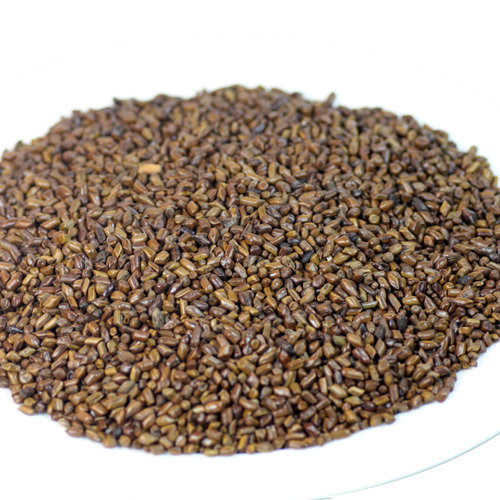
Cassia seed is also known as cao jue ming, horse-hoof cassia, or false mung bean. Drinking cassia seed tea regularly has many benefits for our body, and those who spend long hours in front of a computer especially need to drink it often. So what are the benefits and effects of cassia seed tea? Below, the editor will introduce the power of cassia seed in detail.
The Nutritional Value of Cassia Seed
The emodin and rhein it contains have anti-asthmatic, cholagogic, liver-protective, and blood-pressure-lowering effects on the human body, and also have certain antibacterial and anti-inflammatory effects. Among them, emodin glucoside, emodin anthrone, and physcion have the effect of lowering serum cholesterol and strengthening the heart. Cassia seed extract contains an a-hydroxy group, which can combine with metal elements to form complexes and has a great influence on the absorption of metal elements. In modern clinical practice, cassia seed is used to treat hyperlipidemia with satisfactory results, taken either as a water decoction or made into tablets. In folk practice, cassia seed is often stir-fried until yellow, ground into powder, and taken as a tea substitute; it has a health-care function of preventing and treating disease. It promotes gastrointestinal peristalsis, clears out retained stool in the body, and lowers blood lipids and blood pressure. Edible effects: Cassia seed is sweet and bitter in nature, and slightly cold. Cassia seed can clear the liver and improve vision, promote water metabolism, and relieve constipation. It treats hepatitis, cirrhotic ascites, high blood pressure, infantile malnutrition, night blindness, eye pain from wind-heat, and habitual constipation.
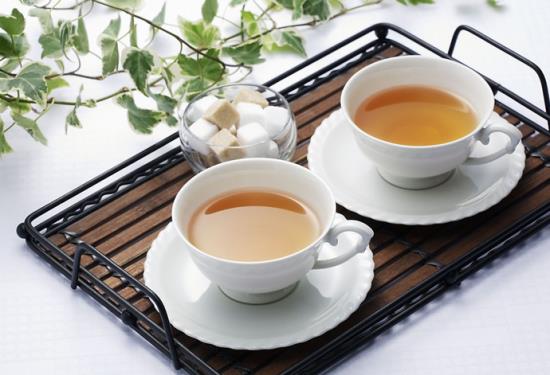
What Are the Benefits and Effects of Cassia Seed Tea?
1. The Benefits of Cassia Seed Tea
(1) Cassia Seed Tea
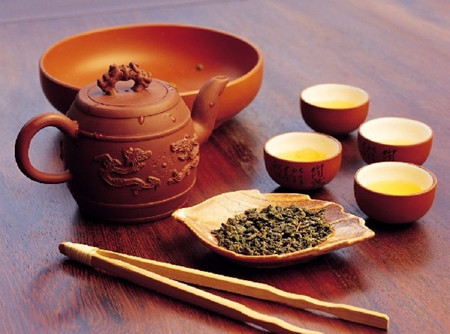
Ingredients: 500 g cassia seeds
Preparation method:
1. First put the cassia seeds into a pan, stir-fry over heat until yellow, and store them in a bottle.
2. Take 20 g of cassia seeds, put them in a cup, pour boiling water over them, and drink.
Benefits: Protects the optic nerve, can relieve symptoms of blurred vision, and prevents and treats glaucoma and cataracts.
(2) Cassia Seed and Chrysanthemum Tea
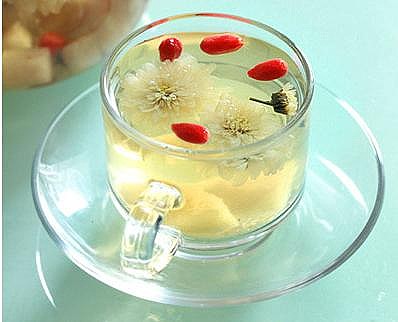
Ingredients: 20 g cassia seeds, 12 g chrysanthemum flowers, 6 g oolong tea.
Preparation method:
1. Wash the cassia seeds and chrysanthemum flowers, and put them into a cup together with the tea leaves.
2. Add boiling water, steep for about 10 minutes, and drink.
Benefits: Effectively helps lower blood lipids, improves habitual constipation, and lowers blood pressure.
(3) Cassia Seed and Malt Tea
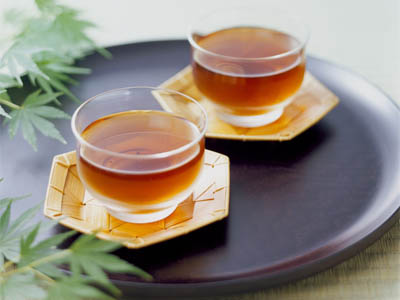
Ingredients: 15 g cassia seeds, 25 g malt, 25 g hawthorn, 8 g tea leaves, 8 g lotus leaf.
Preparation method:
1. Put the cassia seeds, hawthorn, and malt together into a pan, add clean water, and boil for about 20 minutes.
2. Add the tea leaves and lotus leaf, and boil for a moment longer.
3. Strain out the residue and pour out the tea liquid.
4. Add an appropriate amount of water to the tea liquid and boil again until it comes to a boil; drink once slightly cooled.
Benefits: Can effectively lower blood lipids.
(4) Cassia Seed and Goji Berry Tea
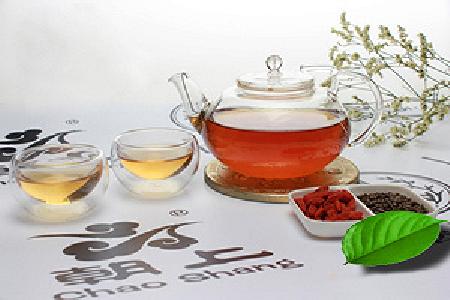
Ingredients: 12 g goji berries, 10 g cassia seeds, 8 g green tea.
Preparation method:
1. Wash the goji berries and cassia seeds clean, and put them into a cup together with the tea leaves.
2. Pour in boiling water, steep for about 10 minutes, and drink.
Benefits: Has the effect of lowering blood lipids and nourishing the kidneys.
(5) Goji and Chrysanthemum Cassia Seed Tea
Ingredients: 10 g goji berries, 3 g chrysanthemum flowers, 20 g cassia seeds.
Preparation method:
Put the goji berries, chrysanthemum flowers, and cassia seeds into a cup at the same time, pour boiling water over them, cover, and drink after 15 minutes.
Directions: Drink as tea, frequently, generally it can be brewed 3 to 5 times.
Benefits: Goji berries nourish the complexion, and chrysanthemum flowers and cassia seeds are both excellent for clearing heat; long-term drinking can help remove toxins from the body, control appetite, and reduce fat accumulation.
(6) Chrysanthemum and Hawthorn Cassia Seed Tea
Ingredients: 10 g clean chrysanthemum flowers, 10 g raw hawthorn slices, 5 g cassia seeds, 25 g sugar cubes,
Directions: Put the chrysanthemum flowers, hawthorn slices, cassia seeds, and sugar cubes into a cup, pour boiling water over them, and steep for half an hour; it can be drunk several times a day.
Benefits: Hawthorn can help break down fat, and combined with chrysanthemum flowers and cassia seeds it helps with sleep, increases the motility of the gastrointestinal tract, and aids digestion.
In addition, a medicinal pillow made from cassia seeds mixed with chrysanthemum flowers, moderate in softness and firmness, clears the head and eyes, and is one of the external therapies of traditional Chinese medicine. A bag of medicinal pillow accompanies a person in restful sleep and pleasant dreams. The Tang Dynasty text "Daming Bencao" says: "Made into a pillow, it treats head wind and improves vision, better than black beans." The tender sprouts, flowers, leaves, and young fruits of cao jue ming are all edible. Its leaves are extremely fragrant after being roasted over fire, and "steeping tea to eat" refers to making "cooked water," a health beverage that became popular starting in the Song Dynasty.
2. The Effects of Cassia Seed Tea
Effect one: Improving vision
Many white-collar workers in the computer-using crowd face a computer for several hours every day; not only does their face become dehydrated, sometimes even their vision becomes blurry when looking at things. Brewing a cup of cassia seed tea helps relieve eye fatigue.
Effect two: Health care
Cassia seed is slightly cold in nature and carries a faint scent of green grass; sleeping on it and smelling the aroma is like sleeping in a grassy field. Its seeds are hard, and can also massage the acupoints of the head and neck.
The Side Effects of Cassia Seed
Cassia seed is slightly cold in nature, so people who are prone to diarrhea, loose stools, or stomach pain should not drink this tea. Note: those with diarrhea and low blood pressure should use cassia seed preparations with caution. Its side effect of "promoting purgation" must be taken seriously by pregnant women; the latest research has found that long-term drinking may, in mild cases, cause irregular menstruation, and in severe cases, make the endometrium abnormal, thereby inducing premature birth.
The biggest side effect of cassia seed (cao jue ming) may be that it loosens the bowels and lubricates the intestines; generally there will be no other problems, but those with qi deficiency and loose stools should not use it. This medicine does indeed have a good weight-loss effect, and it can also be combined with raw hawthorn to enhance the weight-loss power, which is also very good.
Cassia seed has both good benefits and shortcomings, so it is best for everyone to drink it appropriately.