How to prune wax begonia? A detailed explanation of the key pruning techniques
How do you prune wax begonia? Below we will introduce the relevant knowledge about wax begonia pruning techniques, let's take a look!
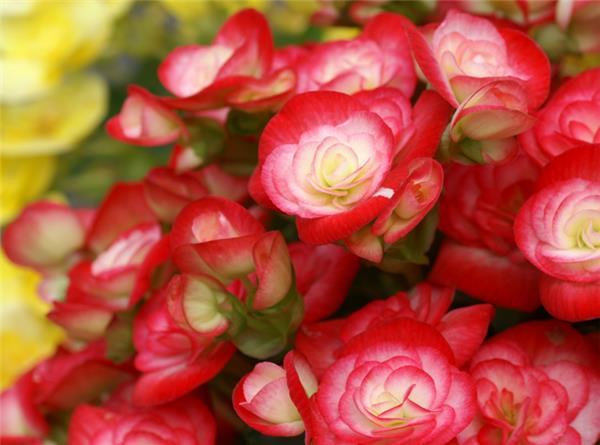
Pruning techniques for wax begonia
Generally, pruning wax begonia mainly involves pinching. Like jasmine, Chinese rose and other flowers, once the flowers fade, you must promptly cut off the spent flowers on the branches and pinch the tips. Only in this way can wax begonia be encouraged to branch more and bloom more. If the pinching is not done in time, the wax begonia plant will grow tall and spindly, the plant shape will be unattractive, and it will produce very few flowers.
Flowering shrubs of the begonia type all have long and short branches; the short branches are flowering branches, while the long branches are vegetative branches. Two weeks after flowering, besides thinning out some inner branches and crossing branches, the long branches can be appropriately shortened by cutting them back from the base, leaving 3 to 4 buds on each long branch and cutting off the rest, which helps increase the short branches that form flower buds.
Ensure the whole plant can get ventilation and light. In addition, when pruning during the dormant period, be careful not to cut off the short, plump branches grown in the previous year. At the same time, when fertilizing, avoid excessive use of nitrogen fertilizer.
Chaenomeles speciosa (flowering quince), a deciduous clumping shrub, has bright and gorgeous flowers, and its trunk stands elegantly. It is viewed for flowers in spring, foliage in summer and fruit in autumn. In gardens it can be planted as a single specimen or in rows and masses, and it has long been a commonly used flowering plant in landscaping.
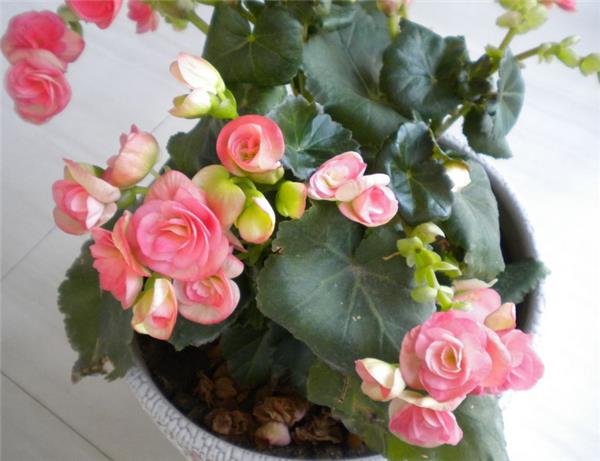
Spring pruning
It is best to prune in early spring before the tree has begun to sprout, and the pruning methods are mainly heading back and thinning out branches.
1. Newly planted plants:
Following the principle of keeping the good and removing the poor, generally select 3 to 5 robust branches and cut off the excess weak branches, diseased and pest-infested branches, and crooked branches from the base, so as to promote the sprouting of vigorous new shoots from the root collar the following year and increase the number of branches in the clump. When cutting, be careful never to leave stubs. For the robust branches already selected, usually prune strong branches lightly and weak branches heavily, and leave an outward-facing bud at the cut so as to expand the range of the shrub clump while making the interior of the clump hollow, which favors ventilation and light penetration and the formation of more flower buds. In places with good fertilizer and water conditions, prune lightly and leave branches long; in places with poor fertilizer and water conditions, prune heavily and leave branches short.
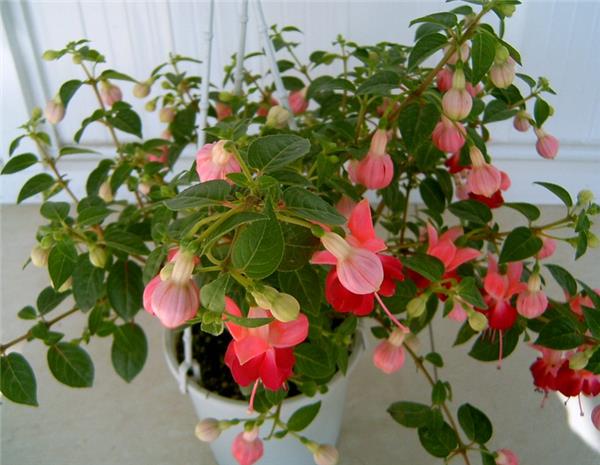
2. Plants after establishment:
An ideal shrub form should maintain a state of being high inside and low outside, and sparse inside and dense outside. This not only allows the branches to receive sunlight evenly, but also increases the airiness of the shrub, which is more conducive to the healthy growth of the plant. The specific pruning methods are as follows:
(1) Cut off from the base the diseased and pest-infested branches, crossing branches, overly dense branches, overlapping branches and inward-facing branches on the plant that affect the tree shape. Select 5 to 8 branches with suitable direction and suitable thickness to keep, and the cutting height should be consistent at the base.
(2) Since 3- to 5-year-old flowering branches of Chaenomeles speciosa bloom the most, the flowering branches should be renewed year by year so that the plant always remains in full bloom. Renewal of flowering branches should be carried out year by year, generally renewing 2 to 3 branches each year, and excess new shoots and old flowering branches can be removed.
(3) Since the flower buds of Chaenomeles speciosa are basically borne on short branches, when pruning, leave several nodes and then cut, so as to increase the short branches.
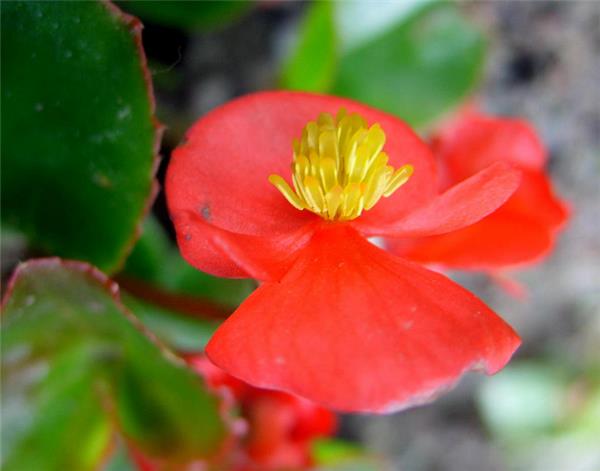
Post-bloom pruning
In order to maintain the tree shape and make the overall effect attractive, appropriate pruning is needed after flowering. Two weeks after flowering, thin out the crowded branches on the plant and the branches protruding from the outline of the crown. Appropriately shorten the long branches, leaving 3 to 4 buds from the base and cutting off the rest, which helps increase the short branches that form flower buds. The fruit set after flowering should be removed as early as possible to avoid loss of nutrients and to prevent it from affecting flower bud formation the following year.
Points to note
1. When shortening flowering branches to control plant height, do it lightly and carry it out year by year, to avoid heavy heading back affecting the amount of spring blooming.
2. The number of branches retained should be determined by the size of the space. When planting a single specimen, more branches can be retained; when planting in rows or masses and the space is relatively small, fewer branches can be retained as appropriate.
3. When pruning after flowering, leafy branches are removed, which reduces the photosynthetic area and will inhibit plant growth, so pruning should be light.