How to water and fertilize wax begonia correctly
How should you water and fertilize wax begonia? Today we will give a simple introduction to this question, let's take a look!
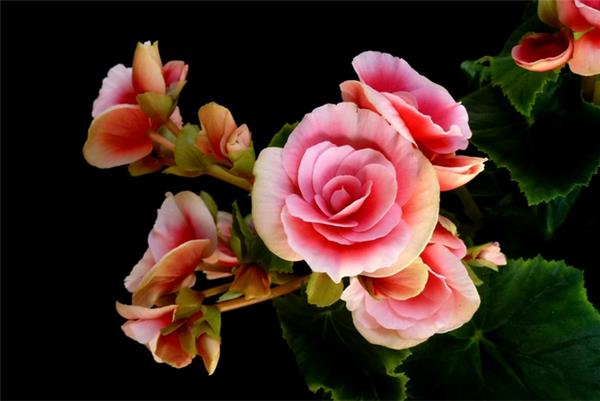
How to water and fertilize wax begonia
When watering wax begonia, you need to master the method of alternating dry and wet. When there are dry granules on the surface of the potting soil, or when the color of the leaf edges turns lighter, this is a sign that water is needed, and you should water in time. One month after pricking out seedlings or potting up, you can water by sprinkling. For large plants, after the soil dries out, water thoroughly. In winter, water sparingly, generally once every 2-3 days. In the hot summer season, the plant is in a dormant state, so you should control the amount of watering; too much watering will cause root rot. The reason is that there is too much water in the soil, little air, and a lack of oxygen, which affects the normal respiration of the root system. The plant's physiological activity weakens, the root system's resistance is reduced, anaerobic bacteria in the soil run rampant, and a large amount of harmful gases is produced, causing root rot. In winter, cover the plant with plastic film to increase local air humidity and also protect against cold.
Besides the potting soil needing to be fertile, wax begonia should also be regularly given topdressing together with watering, especially in the peak growing and flowering seasons of spring and autumn, and after pinching, apply every other day a fully decomposed liquid fertilizer made from oil cakes, human excrement and urine, hoof parings, and ferrous sulfate. During the growth period of wax begonia, pay attention to fertilizer and water management, apply dilute fertilizer water once a week, water sufficiently, and keep the soil moist; in winter, appropriately reduce the amount of watering, keep the leaf surface dry, as soil that is too wet easily causes leaf rot.
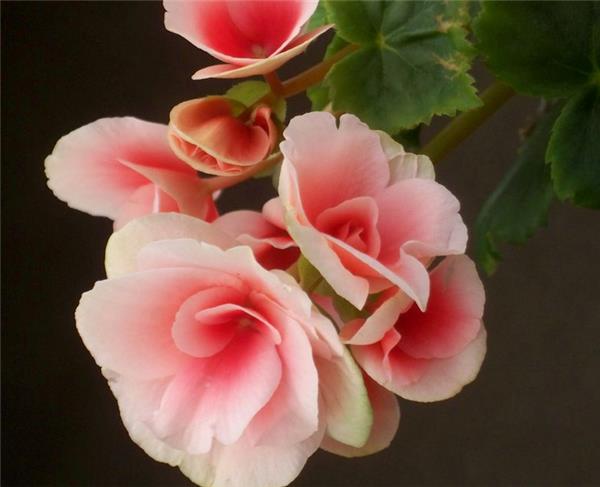
What should you do if wax begonia develops curled leaves, leaf drop, and pale leaf color?
(1) Overwatering: Usually watering too much keeps the potting soil wet for a long time, hindering root respiration, thus causing root rot, which weakens plant growth and makes the leaves turn yellow-white and lose their luster. For mildly affected plants, you can move the flowerpot to a shady place and control watering; after a period of care, the leaf color may turn from yellow back to green and return to normal. For severely affected plants, besides moving the flowerpot to a warm, humid, and semi-shaded environment for care, you also need to cut off the upper part of the plant to encourage new branches to grow again from the base. In the high-temperature summer season, wax begonia is in a state of slow growth or semi-dormancy. At this time, the potting soil should be on the dry side; otherwise, it easily causes leaf drop, stem withering, and even root or base rot, resulting in plant death. But the potting soil should not be too dry either, as being too dry will cause the leaves to wilt or scorch; watering should keep a proper balance between dry and wet.
(2) Sunburn: In the hot midsummer, wax begonia exposed to direct sunlight develops curled leaves and scorched edges. Rescue method: immediately move the flowerpot to a ventilated and cool place indoors. However, if the environment is too shady and lacks light too much, the plant will also grow weakly, showing thin and elongated stems and pale, whitish flower and leaf colors. Therefore, in summer it is most suitable to keep it in a place with bright, scattered light.
(3) Lack of nutrients: If the potting soil lacks nutrients, it becomes difficult for the plant to get enough nutrients, and abnormal phenomena such as fading leaf color and thinner texture can also occur. During the plant's growth period, you should appropriately apply fully decomposed dilute liquid fertilizer or compound chemical fertilizer so that the leaves can be green and glossy.
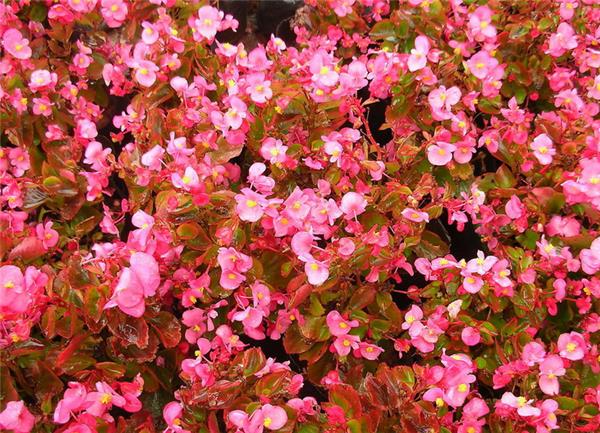
That is all for today's introduction on how to water and fertilize wax begonia. I hope the above content can be helpful to everyone!