The Benefits of Gardenia: A Detailed Look at Six Major Uses of Gardenia
Gardenia, with a color like jade trees leaning, and a fragrance as if from a jade capital, is fresh and beautiful, and no one can resist loving it. Using it as a home decoration is a wonderful practice. Today we will share with you the benefits of gardenia. Let's take a look!
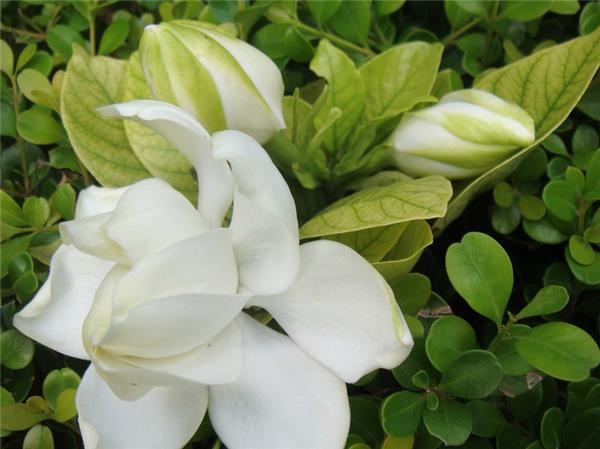
The Benefits of Gardenia
1. Ornamental
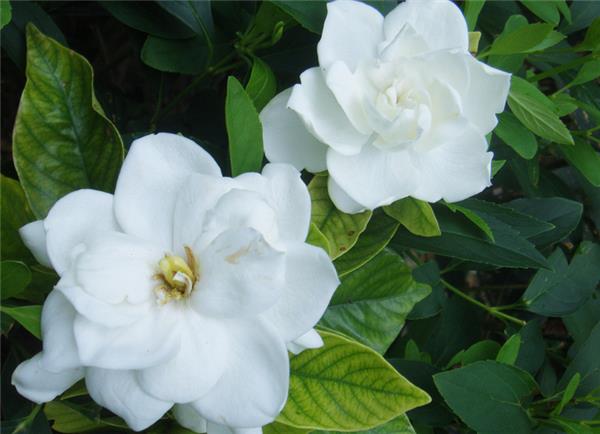
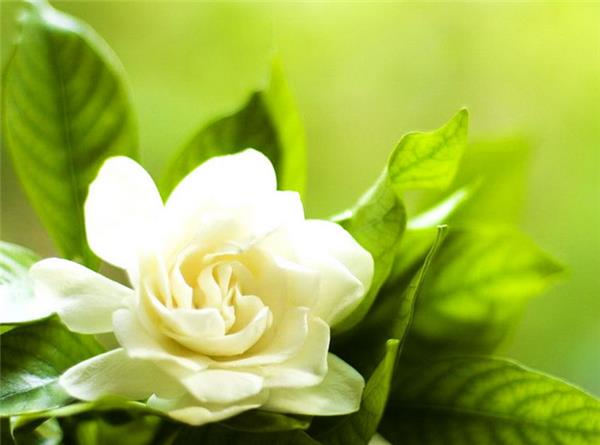
The gardenia has lush branches and leaves, with foliage that stays evergreen throughout the four seasons. Its flowers are fragrant and elegantly simple, with green leaves and white blossoms looking especially fresh and lovely. It is an excellent landscaping material for courtyards. It is suitable for placement in front of steps, beside ponds, and along roadsides. It can also be used as a flowering hedge, potted plant, or bonsai for viewing, and holds relatively high ornamental value.
2. Beautifying the Home
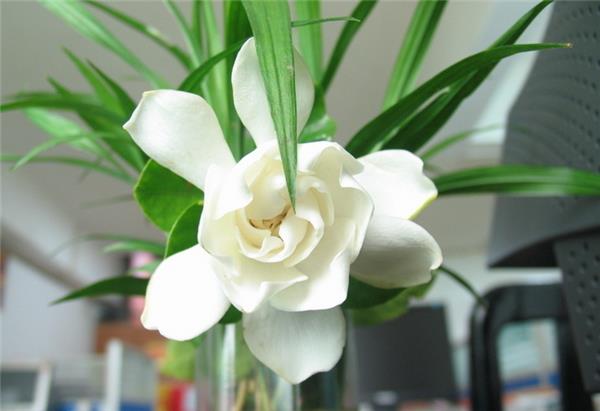
Using gardenia in the home is absolutely an excellent decorative touch. Placing a gardenia plant beside the television at home not only beautifies the indoor space and absorbs harmful indoor radiation, but also continuously releases a delicate fragrance, masking previously plain or even unpleasant odors, exchanging the air in the space, and filling the entire home with poetic charm.
3. Purifying the Air
Gardenia is resistant to sulfur dioxide and can absorb sulfur to purify the atmosphere. 0.5 kg of leaves can absorb 0.002 to 0.005 kg of sulfur. When planted in the home, the air becomes much fresher and more comfortable.
4. Medicinal Use
Gardenia flowers, fruit, leaves, and roots can all be used medicinally, generally taken as tea or decocted in water. Gardenia contains gardenoside, dehydroxyl gardenoside, paederoside methyl ester, and a small amount of shanzhiside. It has effects such as clearing heat and promoting diuresis, cooling blood and detoxifying, treating jaundice, painful and difficult urination with blood, red and swollen painful eyes, fire-toxin sores, and lowering blood pressure. Among these, the gardenia fruit used medicinally mainly treats high fever from febrile disease, restlessness and insomnia, toothache from excess fire, mouth and tongue sores, nosebleeds, vomiting blood, conjunctivitis, sores and swellings, icteric infectious hepatitis, favism, and blood in urine; externally it treats bleeding wounds and sprains and contusions. The root used medicinally mainly treats infectious hepatitis, traumatic injuries, and wind-fire toothache.
5. Edible Use
Gardenia has very high medicinal value, and it is also edible. The main ways to eat gardenia include: cold-tossed gardenia, gardenia egg drop, stir-fried gardenia with small bamboo shoots, fresh gardenia soup, flower tea, candied preserves, deep-fried, gardenia honey soup, stir-fried gardenia with chives, and so on.
6. Daily Chemical Industry
Gardenia contains components such as benzyl acetate, linalyl acetate, and ethyl styrolyl acetate. The fragrance of gardenia is deeply loved by people worldwide. Using the solvent extraction method, gardenia concrete can be produced (concrete yield 0.1-0.13%), which can be widely used in cosmetic fragrances and food flavorings; using steam distillation, gardenia oil can be produced, and gardenia oil can be used to formulate various floral perfumes, soaps, and cosmetic essences; using vacuum fractionation to isolate benzyl acetate and linalyl acetate from gardenia oil, they serve as commonly used main fragrance agents or blenders in daily cosmetics, and are also often used in food, such as chewing gum flavoring.
Below we will introduce the methods of using gardenia in detail.
1. Cold-tossed gardenia. 500 grams of gardenia flowers, appropriate amounts of chopped scallions and shredded ginger. Remove debris from the gardenia flowers and wash clean, place in boiling water and bring to a boil once, remove and drain, let cool and loosen with chopsticks, place on a clean white porcelain plate, sprinkle with chopped scallions and shredded ginger, pour in sesame oil and aged vinegar, add salt and monosodium glutamate to taste, and mix well. This dish is fragrant, fresh, and tender, with effects of clearing heat and cooling blood, detoxifying, and stopping diarrhea. It is suitable for conditions such as lung-heat cough, carbuncles and swelling, and bloody stool from intestinal wind.
2. Gardenia egg drop. 200 grams of gardenia flowers, 3 eggs, appropriate amounts of chopped scallions and shredded ginger. Remove debris from the gardenia flowers and wash clean, blanch briefly in boiling water, and cut into small pieces; crack the eggs into a bowl and beat well; add the gardenia flowers to the eggs and stir evenly; add oil to the pan, heat to 80% hot, pour in the gardenia egg mixture, fry until cooked, sprinkle with chopped scallions and shredded ginger, add salt and monosodium glutamate, and stir-fry evenly. This dish is fragrant, crisp, and tender, with effects of clearing heat and nourishing the stomach, and soothing the intestines and regulating qi. It is suitable for conditions such as stomach heat with bad breath, swollen and painful gums, and difficult bowel movements.
3. Stir-fried gardenia with small bamboo shoots: 200 grams of gardenia flowers, 150 grams of shelled small bamboo shoots, 100 grams of cured meat, appropriate amounts of chopped scallions and shredded ginger. Remove debris from the gardenia flowers and wash clean, blanch briefly; cut the small bamboo shoots diagonally into thin slices; cut the cured meat into small cubes; add oil to the pan, heat to 60% hot, pour the gardenia flowers, small bamboo shoots, and cured meat into the pan together, stir-fry several times, add chopped scallions and shredded ginger, continue stir-frying until cooked, add monosodium glutamate and salt to taste. This dish is light, fresh, and fragrant, crisp and refreshing, with effects of strengthening the spleen and stimulating appetite, and clearing heat and benefiting the intestines. It is suitable for conditions such as poor appetite, reduced food intake, and abdominal distension with constipation.
4. Fresh gardenia soup: 150 grams of gardenia flowers, 100 grams of lean pork, 30 grams of shredded pickled mustard tuber, appropriate amounts of chopped scallions and shredded ginger. Remove debris from the gardenia flowers and wash clean, blanch briefly, and drain; cut the pork into shreds; add water to the pot, and after boiling, add the gardenia flowers, lean pork, and shredded pickled mustard tuber, continue cooking until the pork floats, skim off the foam, add chopped scallions, shredded ginger, and other five-flavor seasonings, and ladle into a soup bowl. This soup is fresh, fragrant, and refreshing, with effects of nourishing the stomach and tonifying the middle, and clearing heat and benefiting the intestines. It is suitable for conditions such as physical weakness with poor appetite, bloody stool from intestinal wind, difficult bowel movements, cough with phlegm, and swollen and painful gums.
5. Flower tea. Dry the flowers and brew them. The method is to take flower buds or newly opened flowers, remove the calyx and pedicel, spread the corolla downward in a thin layer, and dry over low heat or in an oven. During drying, turn them frequently to ensure even heating. After drying, place in a sealed container and refrigerate in the refrigerator. When drinking, brew directly with hot water, and add rock sugar, honey, etc. to increase sweetness.
6. Candied preserves. Rub the petals with salt, wash with cold boiled water, and drain. Add sugar at a ratio of 1:2 of petals to sugar and mix well. Place in a sealed container and preserve for 3 days before eating.
7. Deep-fried gardenia. Mix flour, egg liquid, and clean water into a batter, ideally thick enough that the petals do not show through. Place in a hot oil pan and fry until golden brown.
8. Gardenia honey soup. 9-15 g of fresh gardenia flowers, a little honey. Add water and decoct as a soup to take. This recipe originates from "Dian Nan Ben Cao" (Materia Medica of Southern Yunnan). Gardenia flowers clear and purge lung heat, and honey moistens lung dryness. It is used for lung heat or dry heat in the lungs, cough, or coughing blood.
Drain the water; cut the pork into shreds; add water to the pot, and after boiling, add the gardenia flowers, lean pork, and shredded pickled mustard tuber, continue cooking until the pork floats, skim off the foam, add chopped scallions, shredded ginger, and other five-flavor seasonings, and ladle into a soup bowl. This soup is fresh, fragrant, and refreshing, with effects of nourishing the stomach and tonifying the middle, and clearing heat and benefiting the intestines. It is suitable for conditions such as physical weakness with poor appetite, bloody stool from intestinal wind, difficult bowel movements, cough with phlegm, and swollen and painful gums.5. Flower tea. Dry the flowers and brew them. The method is to take flower buds or newly opened flowers, remove the calyx and pedicel, spread the corolla downward in a thin layer, and dry over low heat or in an oven. During drying, turn them frequently to ensure even heating. After drying, place in a sealed container and refrigerate in the refrigerator. When drinking, brew directly with hot water, and add rock sugar, honey, etc. to increase sweetness.
6. Candied preserves. Rub the petals with salt, wash with cold boiled water, and drain. Add sugar at a ratio of 1:2 of petals to sugar and mix well. Place in a sealed container and preserve for 3 days before eating.
7. Deep-fried gardenia. Mix flour, egg liquid, and clean water into a batter, ideally thick enough that the petals do not show through. Place in a hot oil pan and fry until golden brown.
8. Gardenia honey soup. 9-15 g of fresh gardenia flowers, a little honey. Add water and decoct as a soup to take. This recipe originates from "Dian Nan Ben Cao" (Materia Medica of Southern Yunnan). Gardenia flowers clear and purge lung heat, and honey moistens lung dryness. It is used for lung heat or dry heat in the lungs, cough, or coughing blood.