Introduction to Common Aquatic Plant Species and How to Grow Them
Many people like to place aquatic plants in their bedroom, living room, kitchen, or even office. In fact, aquatic plants are lively and graceful, and can bring us a pleasant living atmosphere. So what aquatic plants are there? How do you grow aquatic plants? Let us take a detailed look below!
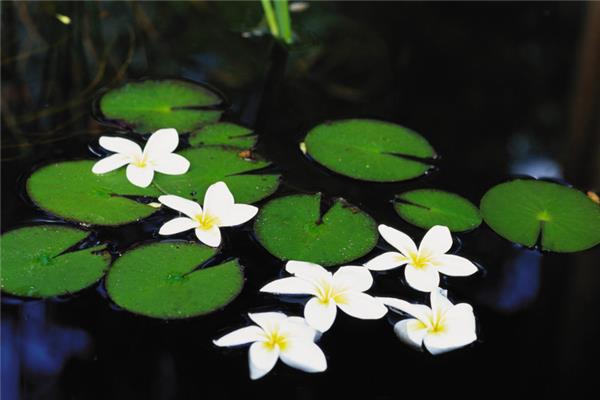
Characteristics of Aquatic Plants
Compared with plants grown in the same soil, aquatic plants look fresher; their leaves are soft and transparent, and their colors are fresher. Most importantly, aquatic plants are suited to living in water (nutrient solution), drawing nutrients directly from the nutrient solution rather than obtaining nutrients from soil. At present, common aquatic plants can be divided by plant category into marsh plants, water-margin plants, floating plants, and deep-water plants. If divided by their way of life, they can also be classified into emergent herbaceous plants, floating plants, submerged plants, floating-leaf plants, and emergent plants.
Types of Aquatic Plants
Aquatic plants generally refer to plants that can grow normally in water or in water-saturated soil for a long time, such as water lilies, Azolla, rice, and so on. If classified by their distribution in water, they can be subdivided into three major categories: emergent plants, submerged plants, and floating plants, such as lotus, Hibiscus mutabilis, and sacred lotus. There are many varieties of aquatic plants. According to their way of life, aquatic plants are generally divided into four major categories: floating-leaf plants, floating plants, submerged plants, and emergent plants.
What Aquatic Plants There Are
1. Emergent plants: Emergent aquatic plants are tall, with bright flowers, and the vast majority have distinct stems and leaves; they stand upright, with the lower part or base submerged in water, while the roots or rhizomes grow anchored in the mud, and the upper part of the plant rises above the water surface.
Common emergent aquatic plants include: lotus, purple loosestrife, sweet flag, yellow flag iris, softstem bulrush, powdery alligator-flag, pickerelweed, variegated giant reed, cattail, water plantain, umbrella plant, reed, and so on.
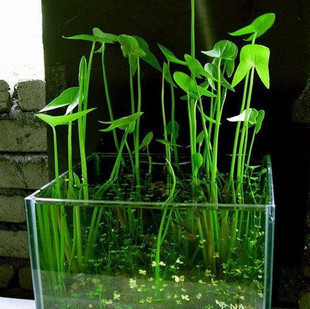
2. Water-margin plants: These plants grow at the edge of ponds, and can grow from a water depth of 23cm to the mud at the pond edge. There are many varieties of water-margin plants, mainly grown for ornamental purposes. Water-margin plants planted beside small wildlife ponds can provide hiding places for water birds and other animals that visit the pond. Moreover, these plants come in many varieties and have extremely high ornamental value, making them suitable for growing as indoor aquatic plants.
3. Submerged plants: The roots and stems of submerged aquatic plants grow in mud, and the entire plant sinks into the water. They have well-developed aerenchyma, which facilitates gas exchange. The leaves are mostly narrow and long or thread-like, and can absorb some nutrients from the water; they can also grow and develop normally under weak underwater light. They have certain requirements for water quality, because turbid water will affect their photosynthesis. The flowers are small and the flowering period is short, so they are mainly grown for their foliage.
Submerged aquatic plants have well-developed aerenchyma, and their leaves are mostly narrow and long or thread-like. Common ones include: Hydrilla verticillata, hornwort, Potamogeton malaianus, eelgrass, Potamogeton crispus, and so on.
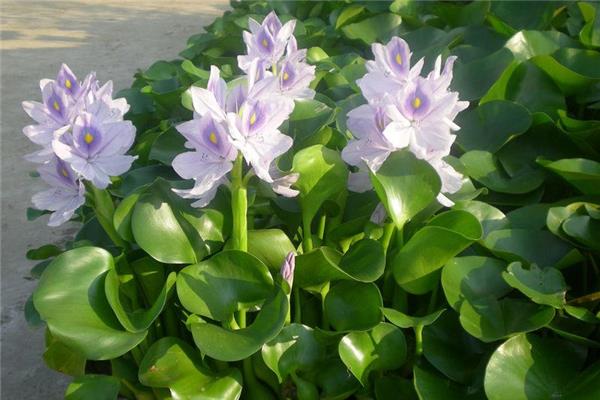
4. Floating plants: There are relatively few types of floating aquatic plants. The roots of these plants do not grow in mud, and the plant body floats on the water surface, drifting with currents and wind waves. Most are grown mainly for their foliage, providing decoration and shade for pond water. Because they can both absorb minerals from the water and block sunlight entering the water, they can also inhibit the growth of algae in the water body.
There are relatively few types of floating aquatic plants. Their plant bodies float on the water surface and drift with the waves. Most are foliage plants, and some are suitable for growing as indoor aquatic plants. The most common one is water hyacinth.
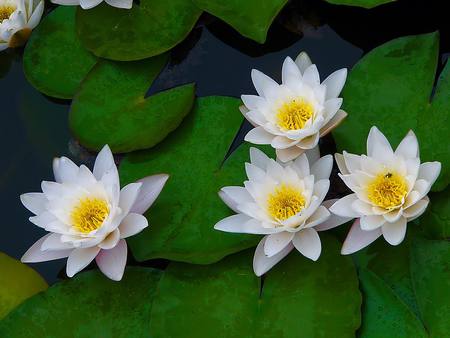
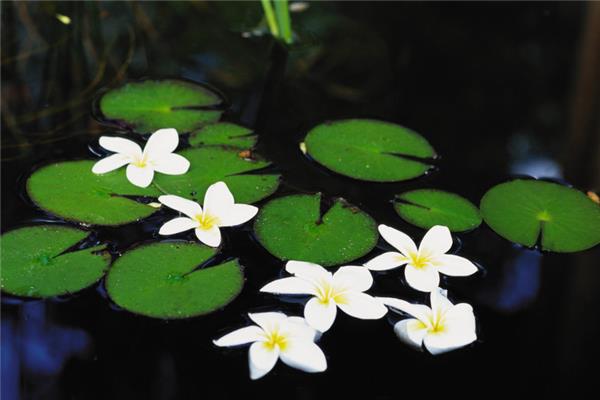
5. Floating-leaf plants: Floating-leaf aquatic plants have well-developed rhizomes, and their flowers are relatively large and brightly colored. Most have leaves floating on the water surface. Common ones include Victoria amazonica, water lily, Nuphar japonicum, Euryale ferox, Nymphoides peltata, and so on. They are generally not suitable for growing as indoor aquatic plants.
Based on the above summary, it can be seen that there are not many types suitable for growing as indoor aquatic plants, but this does not affect people growing aquatic plants at home. For example, the most common indoor aquatic plants, such as spider plant, Japanese evergreen, and Japanese sweet flag, can be seen in many households. In addition to the above summary, what common indoor aquatic plants are there? Naturally, there are also Dracaena of the Liliaceae family, cactus, Magnolia liliflora, ruffled-edge grass, Peperomia glabella, Peperomia caperata, green willow, fine Bacopa, African daisy, and so on.
How to Grow Aquatic Plants
Aquatic plants should be grown according to the habits of different plant types and varieties. There are two different techniques for planting aquatic plants: one is to build a planting trough at the bottom of the pond, spread at least 15 cm of culture soil, and plant the aquatic plants into the soil; the other is to plant the aquatic plants in containers and then sink the containers into the water. The two methods introduced above each have advantages and disadvantages. However, the method of planting aquatic plants in containers and then sinking them into the water is more popular, because it is convenient to move. For example, in northern winters, the containers must be taken out and stored to prevent the plants from being damaged by severe cold; when changing soil, adding fertilizer, and dividing plants in spring, the work is also more flexible and labor-saving, and this method can keep the pond water clear, making it easier to clean the pond bottom and change the water.