What to Do When Camellia Buds Drop? Cause Analysis and Solutions
When growing any flowering plant, you will run into problems, and growing camellias is no exception. What should you do when camellia buds drop? Let's look at the causes of camellia bud drop and the solutions.
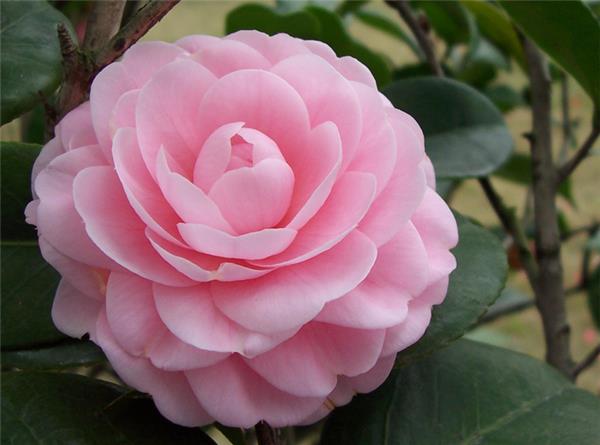
What to Do When Camellia Buds Drop
Cause of camellia bud drop: 1. Bud thinning
If nothing has gone wrong with the care of your camellia, the cause of bud drop is a lack of bud thinning. Some people think more buds is better, but in fact too many buds inevitably spread the nutrients thin, causing buds to drop from lack of nutrition.
Solution: Around August, when the camellia buds are about the size of a soybean, thin them in good time, keeping only one well-developed bud per branch. This is especially important on weaker plants, where buds must be thinned promptly.
Cause of camellia bud drop: 2. Unsuitable soil
Unsuitable soil is also one of the causes of camellia bud drop. The most suitable soil for camellia growth is a sandy loam with a pH of 5 to 6.5. Soil that is too acidic or on the alkaline side, heavy clay soil, saline-alkaline soil and calcareous soil will all cause poor camellia growth, and certain trace elements cannot be absorbed. A lack of nutrients such as phosphorus, iron and sulfur in the soil will also cause chlorosis and bud drop.
Solution: For camellia bud drop caused by unsuitable soil, spray a 0.2% ferrous sulfate solution every week.
Cause of camellia bud drop: 3. Improper watering
Camellias like moisture but hate waterlogged soil. If the soil around the roots stays too wet for a long time, the roots suffocate, and in mild cases all the buds drop, while in severe cases the plant dies. To keep the buds, keep the potting soil appropriately moist but slightly on the dry side. If it is too dry, the fleshy fibrous roots dehydrate and die; if it is too wet, the fibrous roots suffocate and rot from waterlogging. When the plant cannot get water, it will drop its buds first and then its leaves.
Solution: If the potting soil has become too dry, first water a small amount so the soil gradually becomes moist, then water thoroughly. Otherwise the root tips lose water and cannot adapt to a sudden heavy watering, and the buds are sure to drop. In winter, water only when the soil is about 70% dry, and use lukewarm water at midday on a sunny day.
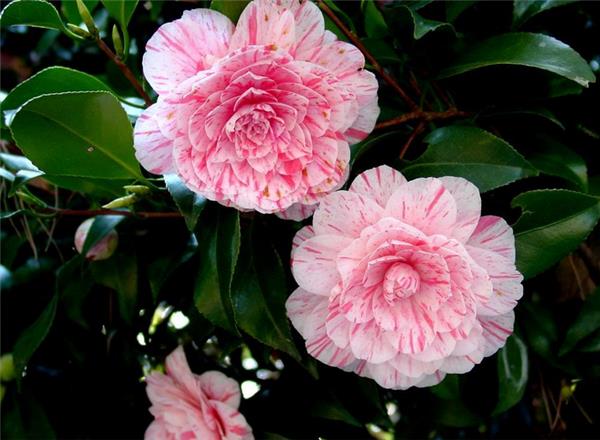
Cause of camellia bud drop: 4. Poor temperature
Poor temperature is another cause of camellia bud drop. During winter, keeping camellias at 3°C to 5°C is ideal; above 16°C they sprout early, causing leaf and bud drop. Below 0°C, the buds freeze and are damaged. Before flowering, the temperature should not be lower than 5°C to 7°C; during flowering, 10°C to 15°C is ideal, with a maximum of 20°C, and in winter above 2°C, and the camellia will keep its buds. Camellias hate large temperature swings most of all; alternating high and low temperatures will make all the buds drop.
Solution: When the temperature drops close to 0°C, move the camellia indoors to a spot with light, cover it with a curtain at night for insulation, and be careful to regulate the temperature of the growing area to give the camellia the most suitable growing temperature.
Cause of camellia bud drop: 5. Poor ventilation
Camellia bud drop is sometimes caused by poor ventilation. Especially in winter, keeping the plant indoors for a long time with poor ventilation, stale air, or a room temperature above 20°C can also cause bud and leaf drop.
Solution: While maintaining the most suitable growing temperature for the camellia, also pay attention to ventilation and air flow; it can be placed by a window to get a little breeze.
Cause of camellia bud drop: 6. Fertilizing in winter
Camellias enter a dormant period in winter, and fertilizing during dormancy is not suitable; even a light fertilizer easily causes bud drop.
Solution: From early spring until before flowering, apply a mixed nitrogen and phosphorus liquid fertilizer 1 to 2 times to prevent bud drop, but do not use too much nitrogen fertilizer. By autumn, store up enough nutrients for flowering, so that the plant blooms abundantly and with vivid color. In September and October, apply a thin fertilizer high in phosphorus once a month, such as rotted chicken manure, to strengthen the buds. Stop fertilizing in November, and never fertilize during the winter dormant period.
Cause of camellia bud drop: 7. Pest and disease infection
Camellia diseases include anthracnose, sooty mold and gray leaf spot, among which anthracnose is the most serious. The main pest is scale insects. When pests or diseases are found, spray promptly to control them, otherwise serious bud drop will occur.
Solution: If anthracnose damage occurs, spray an equal-part Bordeaux mixture or a 25% carbendazim wettable powder 1000-times solution for control. For scale insect damage, spray a 40% omethoate emulsifiable concentrate 1000-times solution to kill them, or scrub them off clean.
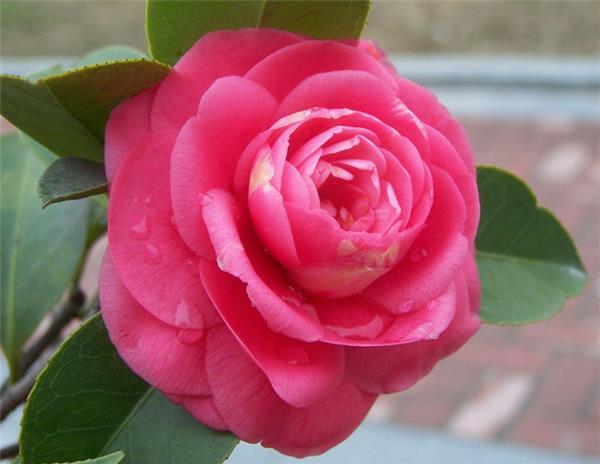
Points to Note When Growing Camellias
(1) Be careful not to put the camellia in blazing sun
Camellias like a half-shade, half-sun environment and prefer warmth and moisture. The most suitable temperature for camellia growth is 15-25°C, so it is best planted where there is half shade or diffused light in summer, full light on the south side in winter, and a windbreak on the north side. In high summer temperatures, spray water mist on the branches and leaves and around them to cool things down and prevent dryness. From June to September, shade the plant.
(2) Be careful not to change the camellia's orientation at will
Camellias adapt poorly, and during the period from April to September, when they are sprouting and forming buds, you must not change the camellia's orientation at will, so that leaves that were originally on the shaded side do not suddenly receive strong light and drop.
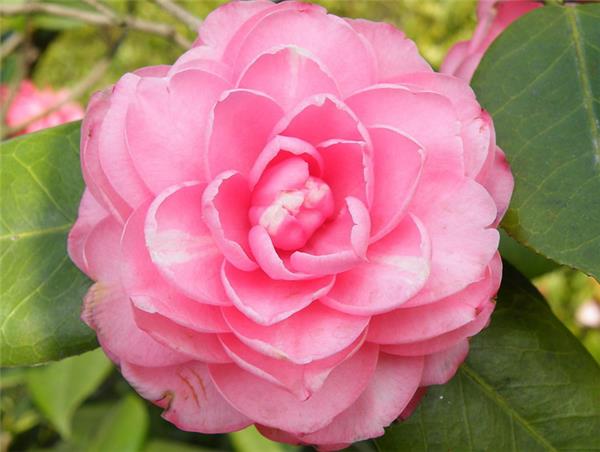
(3) Be careful not to grow camellias in alkaline soil
Camellia roots are delicate, so use a loose, well-draining, slightly acidic soil. Neither clayey nor alkaline soil is suitable, and calcareous soil must not be used at all. It is best to change the potting soil every two to three years; when repotting, put a base fertilizer in the bottom of the pot, such as a small amount of hair, bone meal, chicken feathers, poultry manure and other materials containing calcium superphosphate. It is better to repot between the "Yushui" (Rain Water) and "Lixia" (Start of Summer) solar terms.
(4) Be careful not to give the camellia too much water or too strong a fertilizer
Camellias have fleshy roots, and too much water easily causes root rot, so watering must be moderate. In dry, hot weather, water the leaves twice a day. Camellias like fertilizer; apart from the flowering period, you can normally apply light fertilizer frequently, but never apply too strong a fertilizer, otherwise it easily damages the roots and can burn the plant to death. Use mainly phosphorus and potassium fertilizer, with nitrogen fertilizer secondary; a mix of three parts rotted cake fertilizer, chicken manure or human waste to seven parts water is good. Apply once about every twenty days in summer and autumn to promote vigorous camellia growth and sturdy plants.