Why Are Asparagus Fern Leaves Turning Yellow? Detailed Explanation of Causes and Solutions
What to Do When Asparagus Fern Leaves Turn Yellow
When growing asparagus fern (Asparagus setaceus) indoors, yellowing leaves are a fairly common occurrence. There are many possible causes of yellowing asparagus fern leaves, but the main factors are inappropriate light, watering or fertilizing, and poisoning damage. Yellowing asparagus fern leaves not only affect the plant's healthy growth, but also spoil the ornamental effect of indoor display and dampen the mood of the household owner. I will analyze in detail several causes of yellowing asparagus fern leaves and provide corresponding solutions, hoping to help the many owners who love growing indoor flowers.
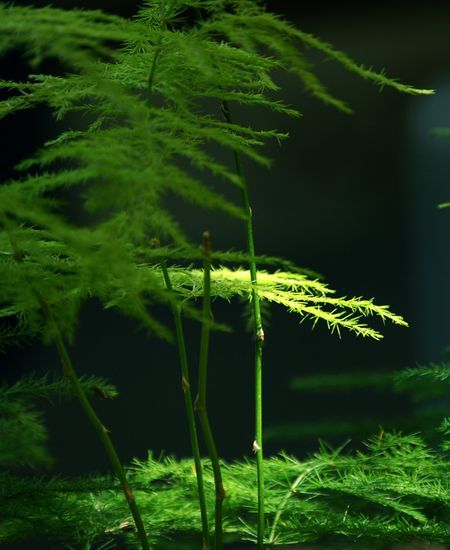
6 Causes of Yellowing Asparagus Fern Leaves
1. Strong light exposure. Asparagus fern prefers semi-shade, and in summer it should not be exposed to strong direct sunlight, otherwise the branches and leaves will turn yellow and wither. The solution is to move the pot to a shady place and spray the branches and leaves with water more often to increase humidity.
2. Incorrect watering. Although asparagus fern likes moisture, it can also suffer from waterlogging if too wet, so during cultivation it is best to keep the potting soil alternating between dry and moist. Generally, do not water until the soil is dry, and when you do water, water thoroughly, but do not allow too much standing water on the surface of the pot. If overwatering occurs, you can temporarily stop watering and instead only spray water on the leaf surface to keep the asparagus fern moist.
3. Improper fertilizing. Applying fertilizer that is too concentrated or using undecomposed fertilizer will both cause asparagus fern leaves to turn yellow and drop. And if the potting soil is too poor in nutrients, it will likewise cause asparagus fern leaves to turn yellow. Therefore, when fertilizing, pay attention to applying lightly; you can fertilize more times but with smaller amounts, and use decomposed fertilizer. For situations that have already occurred, you can solve the problem by changing the potting soil. It is worth noting that fertilizing is not suitable during the low-temperature period in winter and the high-temperature period in summer.
4. Gas poisoning. Asparagus fern is very sensitive to smoke and dust. If it is often exposed to harmful gases such as smoke and dust, the branches and leaves of the asparagus fern will show poisoning symptoms of yellowing. When this happens, promptly move the pot away from its original location and increase the work of spraying water on the leaf surface to remove dust.
5. Pests. Scale insects are the most common pest in asparagus fern cultivation. When scale insects are found, they should be promptly wiped away with a damp cloth strip. In severe cases, buy pesticide from a shop for control, and promptly change the potting soil. When changing the potting soil, the old and residual roots can be cut off to reduce nutrient consumption.
6. Inadequate winter management. In asparagus fern cultivation, it should be kept at a certain temperature, especially in winter when it should be placed in a sunny location. If the asparagus fern is kept for a long time in a place lacking light, poorly ventilated and cold, the leaves will easily become yellow, withered and dry. In winter, the cultivation temperature for asparagus fern generally must not be lower than 12°C, and it should be placed in a place with good light, and watering can be appropriately reduced.
In addition, the causes of yellowing asparagus fern leaves may also include: placing the asparagus fern cultivation pot next to organic items such as radiators, air conditioners, and televisions. Because these items emit strong radiation, they can also cause asparagus fern leaves to turn yellow and drop, and over time can even cause the stems to dry up, so attention should be paid to this when placing the pot for asparagus fern cultivation.
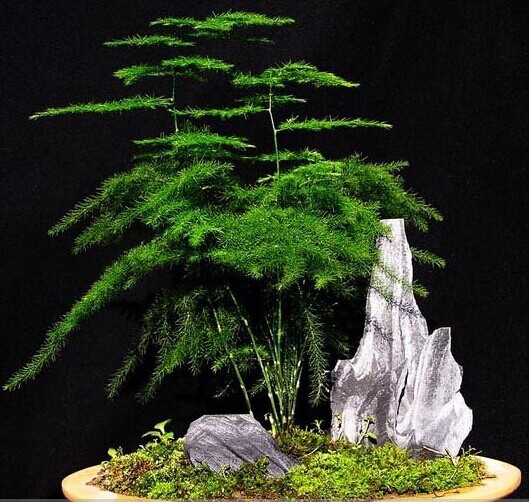
Solutions for Yellowing Asparagus Fern Leaves
The main causes of yellowing asparagus fern leaves are none other than the factors above. At the same time, in daily maintenance, a little care is needed; you cannot simply ignore it. If the yellowing of asparagus fern leaves is due to insufficient nutrients, here I will teach you a folk method to improve the nutrition of asparagus fern, which is to water the asparagus fern with white sugar water, guaranteed to make your asparagus fern grow very luxuriantly.
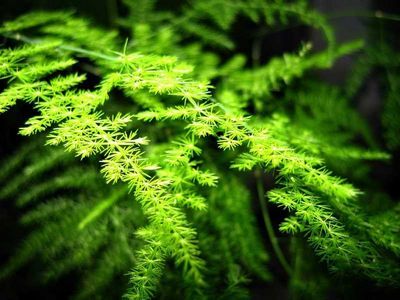
How to Grow Asparagus Fern
Asparagus fern means "elegant bamboo." Actually, it is not bamboo; it is only because its leaves are soft and light, evergreen all year round, its stems have nodes like bamboo, and its posture is elegant and unrestrained that it is named asparagus fern. Many people love asparagus fern, so what exactly are the methods for growing and propagating asparagus fern? Let us take a look together below.
Asparagus fern can not only improve cultural accomplishment, but also has a certain regulating effect on people with liver disease, depression, and low mood. At night, in addition to absorbing harmful gases such as sulfur dioxide, nitrogen dioxide, and chlorine, asparagus fern can also secrete gases that kill bacteria.
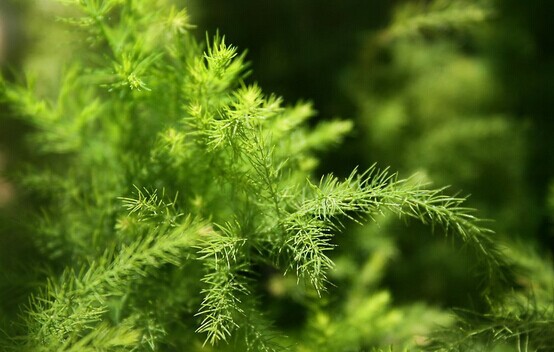
Asparagus fern originates from southern Africa. It likes shady, humid environments with gentle air circulation, and cannot tolerate cold or extreme heat. The suitable growing temperature is 12-20°C, and the overwintering temperature is best kept above 5°C. In summer, avoid exposure to the sun, but it can be placed under moist, ventilated tree shade. If conditions permit, placing it in an air-conditioned room and providing a relatively moist environment will make it grow best.
Asparagus fern is not a sun-loving plant; it has strong shade tolerance, and generally a semi-shady environment is most suitable for care. Asparagus fern likes moisture but fears waterlogging, so watering requirements are relatively high. Great attention should be paid to the frequency of watering, and it absolutely must not be watered only after the soil has dried out completely. Keep it moist while the potting soil has not dried out completely, and each watering must be thorough.
Asparagus fern likes fertilizer but avoids concentrated fertilizer. It is best to water it once a week with diluted organic fertilizer liquid, or you can use special fertilizer for soilless cultivation. Both lack of fertilizer and concentrated fertilizer will cause symptoms of yellow leaves and withered leaves in asparagus fern. Stop fertilizing when the temperature is above 20°C or in winter when it is below 10°C.
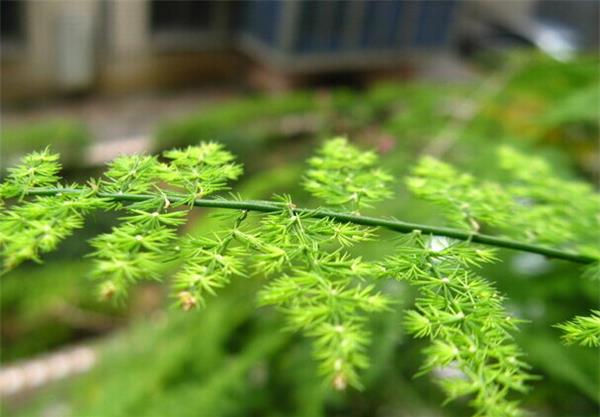
Asparagus fern is not a sun-loving plant; it has strong shade tolerance, and generally a semi-shady environment is most suitable for care. Asparagus fern likes moisture but fears waterlogging, so watering requirements are relatively high. Great attention should be paid to the frequency of watering, and it absolutely must not be watered only after the soil has dried out completely. Keep it moist while the potting soil has not dried out completely, and each watering must be thorough.
Asparagus fern likes fertilizer but avoids concentrated fertilizer. It is best to water it once a week with diluted organic fertilizer liquid, or you can use special fertilizer for soilless cultivation. Both lack of fertilizer and concentrated fertilizer will cause symptoms of yellow leaves and withered leaves in asparagus fern. Stop fertilizing when the temperature is above 20°C or in winter when it is below 10°C.