What flowers are suitable for the bedroom? A detailed guide to flower placement dos and don'ts
What flowers are suitable for the bedroom
We spend a long time of the day in the bedroom. Placing some flowers and plants in the bedroom makes it lively and full of vitality, but if unsuitable flowers are placed in the bedroom, they can affect health. So what flowers are suitable for the bedroom?
1. Flowers that can absorb toxic chemicals
Aloe, spider plant, snake plant, and cast-iron plant are natural cleaners that can remove harmful substances from the air. Studies have shown that snake plant and spider plant can absorb more than 80% of harmful gases indoors, and their ability to absorb formaldehyde is extremely strong. Aloe is also good at absorbing formaldehyde, and can absorb 90% of the formaldehyde contained in 1 cubic meter of air.
English ivy, sago palm, kumquat, pomegranate, purslane, Chinese rose, camellia, Aglaia odorata, daisy, wintersweet, marigold, and others can effectively remove harmful substances such as sulfur dioxide, chlorine, ether, ethylene, carbon monoxide, and nitrogen dioxide.
Orchids, osmanthus, wintersweet, caladium, and Excoecaria cochinchinensis are natural dust collectors; their fine hairs can intercept and adsorb floating particles and smoke dust in the air.
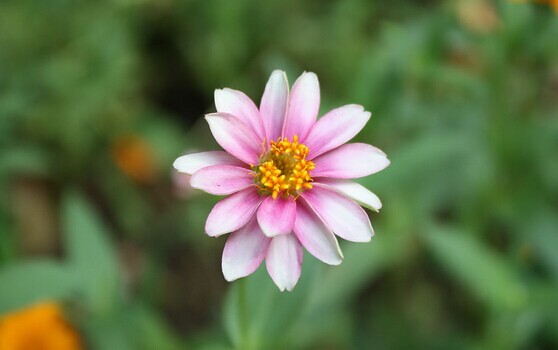
2. Flowers that can repel mosquitoes and insects
When the weather turns warm, mosquito-repelling plants become the focus of attention. Mosquito plant (Pelargonium citrosum) is one such plant. It is an aromatic plant of the Geraniaceae family with an altered genetic structure, and was only introduced from Australia in recent years. This plant is drought-tolerant, can grow to maturity within half a year, and with proper care can live for 10 to 15 years, and the shape of its branches and leaves can be changed at will, giving it high ornamental value. Mosquito plant gives off a fresh and elegant lemon fragrance, has a very good mosquito-repelling effect indoors, and has no toxic side effects on the human body. The higher the temperature, the more fragrance it releases and the better the mosquito-repelling effect. According to tests, one pot of mosquito plant with a crown width of more than 30 cm can drive mosquitoes out of a room with an area of more than 10 sq m. In addition, a plant called pyrethrum contains pyrethrin and can also effectively repel mosquitoes and insects.
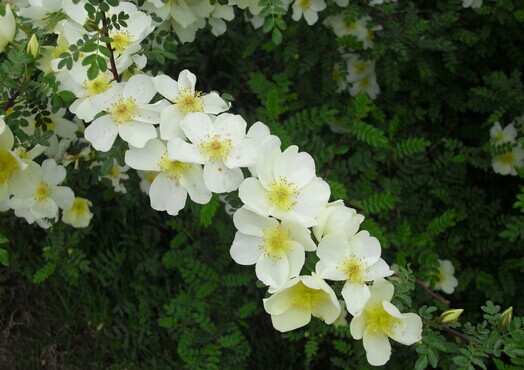
3. Flowers that can kill germs
The volatile oils produced by aromatic flowers such as rose, osmanthus, violet, jasmine, lemon, rose, China pink, lily of the valley, and crape myrtle have significant bactericidal effects.
Plants such as crape myrtle, jasmine, and lemon can kill native bacteria such as diphtheria bacteria and dysentery bacteria within 5 minutes. The fragrances given off by plants such as rose, China pink, lily of the valley, violet, rose, and osmanthus have a clear inhibitory effect on the growth and reproduction of Mycobacterium tuberculosis, pneumococcus, and Staphylococcus.
Succulents native to tropical arid regions, such as cactus, have stomata on their fleshy stems that close during the day and open at night, producing oxygen while absorbing carbon dioxide and increasing the concentration of negative ions in indoor air.
Plants such as snake plant, sansevieria, agave, Opuntia lasiacantha, kalanchoe, sedum, Bryophyllum pinnatum, and ornamental pineapple can also purify the air at night.
In addition: plants such as clove, jasmine, rose, violet, and mint can help people relax and feel mentally pleasant, are conducive to sleep, and can also improve work efficiency.

4. Flowers for three-dimensional greening of the home
Planting climbing plants such as Boston ivy, grape, morning glory, wisteria, and rose around the home and letting them climb along walls or trellises to form a green shade canopy can effectively reduce solar radiation and greatly lower indoor temperature. Traditional plants such as English ivy, canna, and evergreen also have the effect of regulating indoor air. It should be noted that as far as possible, do not plant flowering ornamental plants with too strong a fragrance indoors, such as oleander and others.
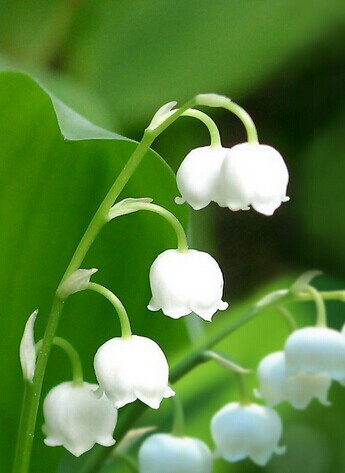
What flowers are not suitable for the bedroom
1. Orchid. Its fragrance can make people overly excited and cause insomnia.
2. Redbud. If its pollen is in contact with people for too long, it can trigger asthma or worsen coughing symptoms.
3. Mimosa. The mimosine in its body is a highly toxic organic compound; excessive contact by the human body can cause hair loss.
4. Chinese rose. The rich fragrance it gives off can cause some people to feel chest tightness, discomfort, suffocation, and difficulty breathing.
5. Lily. Its fragrance can also overly excite the central nervous system and cause insomnia.
6. Night-blooming jasmine. At night it gives off a large amount of particles that stimulate the sense of smell; smelling it for too long can make patients with high blood pressure and heart disease feel dizzy, depressed, and uncomfortable, and can even worsen their condition.
7. Oleander. It can secrete a milky white liquid; with prolonged contact, it can cause poisoning in people, leading to symptoms such as drowsiness and reduced intelligence.
8. Pine and cypress. The aromatic smell of pine and cypress flowers and trees has an irritating effect on the human gastrointestinal tract, not only affecting appetite, but also making pregnant women feel upset, nauseated, and dizzy.
9. Hydrangea. The particles it gives off, if in contact with people, can cause skin allergies and trigger itching.
10. Tulip. Its flowers contain a toxic alkaloid; with prolonged contact, it can accelerate hair loss.
11. Yellow azalea. Its flowers contain a toxin; once accidentally eaten, mild cases can cause poisoning, and severe cases can cause shock, seriously harming health.

7. Oleander. It can secrete a milky white liquid; with prolonged contact, it can cause poisoning in people, leading to symptoms such as drowsiness and reduced intelligence.
8. Pine and cypress. The aromatic smell of pine and cypress flowers and trees has an irritating effect on the human gastrointestinal tract, not only affecting appetite, but also making pregnant women feel upset, nauseated, and dizzy.
9. Hydrangea. The particles it gives off, if in contact with people, can cause skin allergies and trigger itching.
10. Tulip. Its flowers contain a toxic alkaloid; with prolonged contact, it can accelerate hair loss.
11. Yellow azalea. Its flowers contain a toxin; once accidentally eaten, mild cases can cause poisoning, and severe cases can cause shock, seriously harming health.