What to Do About Root Rot in the Money Tree? Causes and Solutions Explained
The money tree has an auspicious meaning and high ornamental value, and it is a green plant often placed in many people's homes. However, many people run into root rot when caring for money trees. So what are the causes of money tree root rot and what are the solutions? Let's take a look below:
The Many Possible Causes of Money Tree Root Rot

Money tree root rot can be caused by the potting soil being too dry. The money tree is fine with potting soil that is slightly moist; by nature it does not like water, but if the potting soil drains poorly, the water goes foul and then root rot occurs.
Money tree root rot can be caused by using relatively strong fertilizer before the roots have grown well. Strong fertilizer will scorch the root and stem base of the plant (the part close to the pot). The potting soil may be unhygienic, and when watering or when it rains, pathogens splash onto the money tree plant.
Money tree root rot is root rot disease, caused by too much watering, which leaves too little air around the roots; in the damp environment a large amount of fungus grows, and finally root rot forms. Carbendazim or thiophanate-methyl can both be used. Penicillin cannot be used. It is best to first dig the plant out and cut away the rotted roots. Soak it in a carbendazim solution for about 10 minutes, then change the soil and replant.
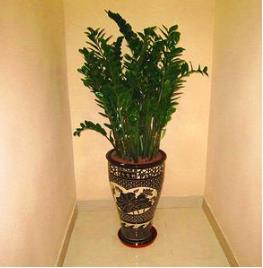
Generally, the cause of money tree root rot is root rot caused by watering, and the plant needs to be promptly taken out of the pot, some of the old soil shaken off, placed in a semi-shady, cool spot to air for 1-2 days, and then replanted in new sandy loam. After that, the pot must not be too large, and watering must not be too frequent; water when the potting soil is 70% dry, and never follow a rigid watering interval - water flexibly. If the root rot is fairly serious, it is best to shake off all the soil, then soak in a 500-fold dilution of potassium permanganate or carbendazim solution for 5-10 minutes, then rinse once with clean water, air until the roots are dry, and replant.
Another method is to first take the plant out of the flower pot, cut off the rotted tubers and branches and leaves, then apply charcoal powder to the wounds, leave the roots exposed in a warm place, and after the wounds dry, bury them in the potting soil and stop watering, until spring warmth raises the temperature above 20°C before resuming normal watering, but the amount of water must be small, only keeping the potting soil slightly moist.
Causes of Money Tree Root Rot:
The money tree by nature likes a warm, humid, sunny climate environment. Root rot occurs mainly for the following three reasons:
Cause of money tree root rot: 1. Too much watering. The money tree is fine with potting soil that is slightly moist; by nature it does not like water, but if the potting soil drains poorly, the water goes foul and then root rot occurs.
Cause of money tree root rot: 2. Excessive fertilizing. Excessive fertilizing of the money tree can also cause root rot, especially when relatively strong fertilizer is used before the money tree's roots have grown well; strong fertilizer will scorch the root and stem base of the plant and cause root rot.
Cause of money tree root rot: 3. Pathogen attack. If you are not careful when watering or when it rains, pathogens splash onto the money tree plant, and this can also cause a pathogen attack that leads to rot of the money tree's roots.
Solutions for Money Tree Root Rot:
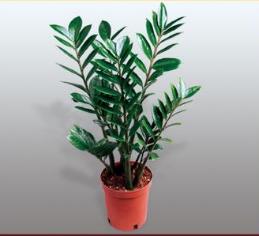
Solution for money tree root rot: 1. Replant
Generally, the cause of money tree root rot is root rot caused by watering, and the plant needs to be promptly taken out of the pot, some of the old soil shaken off, placed in a semi-shady, cool spot to air for 1-2 days, and then replanted in new sandy loam. After that, the pot must not be too large, and watering must not be too frequent; water when the potting soil is 70% dry, and never follow a rigid watering interval - water flexibly. If the root rot is fairly serious, it is best to shake off all the soil, then soak in a 500-fold dilution of potassium permanganate or carbendazim solution for 5-10 minutes, then rinse once with clean water, air until the roots are dry, and replant.
Solution for money tree root rot: 2. Apply charcoal powder
First take the plant out of the flower pot, cut off the rotted tubers and branches and leaves, then apply charcoal powder to the wounds, leave the roots exposed in a warm place, and after the wounds dry, bury them in the potting soil and stop watering, until spring warmth raises the temperature above 20°C before resuming normal watering, but the amount of water must be small, only keeping the potting soil slightly moist.
Although the money tree is a plant from tropical regions, it does not like moisture; high humidity can cause root rot, so care for the money tree requires attention, and if root rot occurs it must be dealt with as soon as possible.
The Money Tree's Effect on the Home Environment
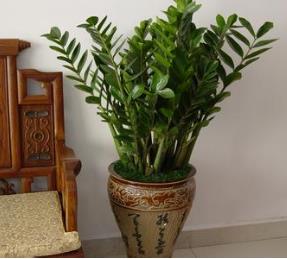
1. The money tree can absorb toxic gases and release oxygen through photosynthesis, bringing you fresh air. When you grow a money tree, during the day it can absorb carbon dioxide in the room while releasing oxygen, increasing the concentration of negative ions in the indoor air, and it can even take in dust that even a vacuum cleaner struggles to suck up. More importantly, it can also absorb harmful gases such as formaldehyde and benzene compounds, and kill bacteria in the air. In this process it effectively purifies the air and increases the green atmosphere in the space, making people feel relaxed and happy and lifting their spirits - truly a natural oxygen bar for the home. In addition, the money tree can regulate the surrounding moisture, and it is especially suitable for placing in an air-conditioned room. Air conditioning easily makes things dry, and a pot of money tree can balance the environment and also protect your skin.
2. The money tree looks clean and beautiful, is easy to care for, and is not prone to pests; it tolerates drought, so even if you go out for one or two weeks there will be no problem. Placed at home, it looks beautiful and elegant, and especially its color and shape are very appealing; it has no thick trunk, no branches and leaves jutting out at angles, and no dense, impenetrable leaves. It is simply an ornamental flowering plant - although it has never bloomed, it just shows you its green. The green leaves make people feel vigorous life force and draw them close. Look at its name - money, gold coins - it has the flower language of wealth and honor, bringing you continuous good luck.
Caring for a money tree is not a difficult task, yet it can bring you joy, add a scene full of vitality to the room, add fun to life, and cultivate your character. Friends who like it must not miss out.
That is all of "Root Rot in the Money Tree: Causes and Solutions in Detail" brought to you by the editor.
The Money Tree's Effect on the Home Environment
1. The money tree can absorb toxic gases and release oxygen through photosynthesis, bringing you fresh air. When you grow a money tree, during the day it can absorb carbon dioxide in the room while releasing oxygen, increasing the concentration of negative ions in the indoor air, and it can even take in dust that even a vacuum cleaner struggles to suck up. More importantly, it can also absorb harmful gases such as formaldehyde and benzene compounds, and kill bacteria in the air. In this process it effectively purifies the air and increases the green atmosphere in the space, making people feel relaxed and happy and lifting their spirits - truly a natural oxygen bar for the home. In addition, the money tree can regulate the surrounding moisture, and it is especially suitable for placing in an air-conditioned room. Air conditioning easily makes things dry, and a pot of money tree can balance the environment and also protect your skin.
2. The money tree looks clean and beautiful, is easy to care for, and is not prone to pests; it tolerates drought, so even if you go out for one or two weeks there will be no problem. Placed at home, it looks beautiful and elegant, and especially its color and shape are very appealing; it has no thick trunk, no branches and leaves jutting out at angles, and no dense, impenetrable leaves. It is simply an ornamental flowering plant - although it has never bloomed, it just shows you its green. The green leaves make people feel vigorous life force and draw them close. Look at its name - money, gold coins - it has the flower language of wealth and honor, bringing you continuous good luck.
Caring for a money tree is not a difficult task, yet it can bring you joy, add a scene full of vitality to the room, add fun to life, and cultivate your character. Friends who like it must not miss out.
That is all of "Root Rot in the Money Tree: Causes and Solutions in Detail" brought to you by the editor.