How to Grow Fuchsia? Detailed Guide to Cultivation Methods and Precautions
The name of the fuchsia flower is mainly derived from its appearance. Unlike lilies, roses, tulips and other flowers whose buds open upward, it is a particularly unique type that opens downward, like a large suspended bell. Because of this distinctive flowering characteristic, we are especially familiar with the fuchsia and can identify it at a glance among many flowers. Below, the editor will introduce some knowledge about the fuchsia.
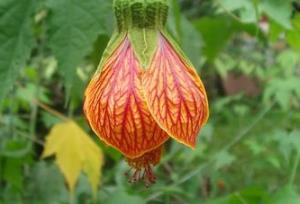
First, the Fuchsia
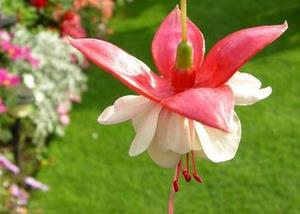
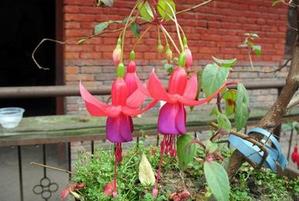
The fuchsia, also known as the hanging bell flower, produces drooping blossoms in profusion when in bloom, graceful and charming, like suspended colorful lanterns, very lovely.
I. Morphology:
The fuchsia is a perennial shrub with lanceolate-ovate leaves, toothed margins, pointed tips, and opposite arrangement. Flowers are solitary, the floral tube is bell-shaped, petals vary greatly, flower stalks are long, and it produces berries. There are many varieties.
II. Characteristics:
The fuchsia is native to Mexico. It prefers cool, humid conditions and fears hot, high temperatures. Its growth temperature is 15-25°C. Above 30°C, the growth of branches and leaves is affected. At high temperatures above 35°C, branches and leaves will wither and die. In autumn and winter, when the temperature drops below 10°C, it should be moved indoors immediately. If the temperature drops to 5°C, it should be immediately regulated to above 5°C, otherwise it will suffer cold damage.
Second, Cultivation Methods for Fuchsia
I. Soil Selection for Fuchsia Cultivation
The potting soil should be a mixture of 1/3 sandy garden soil, 1/3 humus soil, and 1/3 farmyard manure. Before the peak growing season begins each spring, it needs repotting and soil replacement. Remove part of the old soil, prune some old roots, switch to a slightly larger pot according to plant size, and replenish with freshly prepared potting soil. The soil should be loose, fertile, and well-draining. If water accumulates, the plant is prone to dying from root rot. In spring and autumn, the soil should be loosened appropriately.
II. Fertilization Methods for Fuchsia Cultivation
The fuchsia loves fertilizer. For pot cultivation, a mix of 4 parts leaf mold, 3 parts garden soil, 2 parts river sand, and 1 part decomposed cake fertilizer powder should be used as the growing medium, with no additional base fertilizer needed to avoid root rot. Repot and change soil once each spring. The fuchsia grows quickly and blooms continuously, so during the growing season, apply 10%-15% cake fertilizer water once every 7-10 days, or a dilute liquid fertilizer combining nitrogen and phosphorus, at a concentration of 0.1%-0.2% urea water plus 0.3%-0.5% superphosphate soak solution, or 0.1%-0.2% urea water plus 0.1%-0.2% monopotassium phosphate fertilizer water. If nutrition is insufficient, it will be very difficult to bloom again after flowering once.
III. Light and Temperature Requirements for Fuchsia Cultivation
In summer, the plant should be placed in a cool, ventilated spot, with an optimum temperature of 15-25°C. In winter, room temperature should be kept above 10°C; below 5°C, it may suffer cold damage. In autumn, when the temperature drops below 10°C, it should be kept indoors.
Light should not be too intense, especially in summer. Avoid prolonged direct sunlight to prevent leaves from curling and dying.
IV. Watering Methods for Fuchsia Cultivation
Pay attention to watering. During the growing season, keep the potting soil moist. Watering the fuchsia should generally follow the principle of "water when dry, stop when wet." During the flowering period, if the potting soil is too dry or too wet, it can easily cause bud drop, flower drop, or leaf drop. Long-term overly wet potting soil can also easily lead to root rot and yellowing leaves, and may even cause plant death. In winter, when room temperature is below 10°C, watering must be strictly controlled and fertilization stopped to prevent root rot. After each fertilization and watering, the soil should be loosened promptly for aeration.
V. Methods for Getting Fuchsia Safely Through Summer
Getting through summer safely is the key to growing fuchsias well. In summer, the fuchsia should be moved indoors or to a shaded, ventilated area. The fuchsia prefers a cool climate and fears summer heat, sun exposure, and rain. When the temperature exceeds 30°C, metabolic activity slows down and growth stagnates. At this time, leaf drop and root rot often occur. If effective measures are not taken promptly, the entire plant may die. The care and management measures for getting fuchsias safely through summer are as follows:
(1) Shade and ventilate. After early summer begins, provide shade to avoid direct sunlight; enhance ventilation and keep it in a cool, ventilated place.
(2) Cool down and increase humidity. For home pot cultivation, the pot can be moved to a ventilated, rain-sheltered, shady place, or placed on a north-facing balcony or under the eaves where some scattered light can be seen, or placed indoors in a cool, ventilated spot with a little sunlight. When the temperature exceeds 22°C, spray water on the leaves 1-2 times daily; when the temperature exceeds 25°C, spray 3-4 times, and sprinkle water on the ground around the pot 2-3 times to lower the temperature and increase air humidity.
(3) Control fertilizer and water. When the temperature exceeds 25°C, fertilization should be stopped to avoid root rot. Generally, during the high-temperature season from June to August, stop fertilizing and restrict watering; the potting soil should be kept slightly on the dry side. If the potting soil is often in an overly wet state or hot and poorly ventilated, it will cause the plant's leaves to turn yellow and scorch, and may even lead to root rot and death.
(4) Prevent rain exposure. Rain exposure can easily cause root rot and leaf drop.
(5) Cultivate new seedlings. Old perennial fuchsia plants are sensitive to high temperatures, but seedlings have stronger heat resistance and usually do not drop leaves during the dog days of summer. Therefore, propagating new seedlings by cuttings each year helps them get through summer safely. This is a more proactive measure.
VI. Pinching Methods for Fuchsia Cultivation
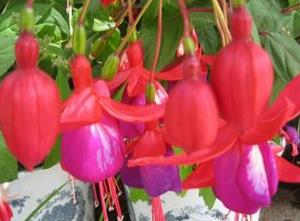
Timely pinching is an important measure for making fuchsias branch abundantly and bloom profusely. In spring and autumn, the plant should be topped and pinched to promote branching, make the plant shape fuller, and increase the number of flowers. Because the fuchsia has the habit of producing flower buds in the leaf axils of new shoots, pinching can stimulate new buds to sprout, produce more branches, bloom more, and create a fuller plant shape.
Pinching should begin at the seedling stage. Generally, when the seedling grows to about 10 cm, perform the first pinching to promote branching. About 30 days after the first pinching, when the new branches have grown 6-8 leaves, perform the second pinching. Keep about 5 side branches per plant and remove excess side buds. After the weather cools in autumn, overly long branches can be shortened and overly dense branches thinned out to encourage vigorous new branches. After each pruning, watering should be controlled, and normal watering resumed after new branches grow from the leaf axils. In seasons suitable for growth, new shoots can bloom again 15-20 days after pinching, so multiple pinchings also help extend the flowering period. Usually, heavy pruning is done after flowering in early summer, and when the weather cools in autumn and the plant is brought indoors, the plant shape should be properly adjusted and excess new buds removed.
Third, Precautions for Fuchsia Cultivation
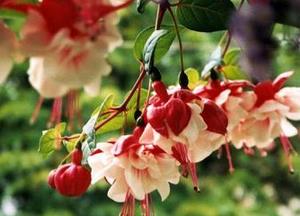
Fuchsias often experience flower drop and bud drop, mainly caused by improper cultivation and management. During care, pay attention to the following:
I. The fuchsia prefers a cool, humid climate. Its optimum growth temperature is 10-28°C. Under hot and dry conditions, it enters a semi-dormant state. In summer, shading and sprinkling water should be used to lower the temperature and increase air humidity, otherwise it will cause leaf drop, bud drop, and flower drop.
II. Light. In spring and autumn, fuchsias should be placed in a spot with ample sunlight for cultivation, otherwise insufficient light will affect bud development and flowering. In summer, provide shade to avoid leaf scorching that affects flowering.
III. Fertilizer and water management. Because the fuchsia has the characteristics of fast growth and multiple flowering periods, more fertilizer and water should be given in spring and autumn. In summer, control fertilizer and water, and provide shade to lower the temperature.
IV. Pest and disease control. In summer, it is susceptible to damage from scale insects, aphids, red spider mites, whiteflies, and leaf spot disease. During care, pay attention to ventilation, adequate light, and reasonable water and fertilizer management to improve plant resistance. If pests occur, use 20% dicofol emulsifiable concentrate at 800 times dilution to spray and kill red spider mites, 40% omethoate emulsifiable concentrate at 1000 times dilution to spray and kill scale insects, aphids, and whiteflies, and 50% thiram at 1000 times dilution to spray and prevent leaf spot disease.
V. Cool down and increase humidity. For home pot cultivation, the pot can be moved to a ventilated, rain-sheltered, shady place, such as a north-facing balcony or under the eaves where some scattered light can be seen, or placed indoors in a cool, ventilated spot with a little sunlight. At the same time, when the temperature exceeds 25°C, spray water on the leaves 1-2 times daily; when the temperature exceeds 30°C, spray 3-4 times, and sprinkle water on the ground around the pot 2-3 times to lower the temperature and increase air humidity.
VI. Prevent rain exposure. Rain exposure can easily cause root rot and leaf drop.
VII. Cultivate new seedlings. Old perennial fuchsia plants are sensitive to high temperatures, while seedlings have stronger heat resistance and usually do not drop leaves in hot summer. Therefore, propagating new seedlings by cuttings each year helps them get through summer safely. This is a more proactive measure.
Fourth, Key Points of Care
First, place the plant in a shaded, ventilated, cool, and rain-sheltered spot; spray water on the leaves multiple times daily and sprinkle water on the ground to lower the temperature and increase air humidity.
Second, for old perennial plants, restrict water and stop fertilizing so they smoothly pass through the dormant period. The plant should be brought indoors before Frost's Descent and taken outdoors after Qingming. Room temperature should be kept above 5°C. During cold waves and snowy, windy weather, when freezing occurs outdoors, it is best to move it back indoors.
Fertilization should be stopped to avoid root rot. Generally, during the high-temperature season from June to August, stop fertilizing and restrict watering; the potting soil should be kept slightly on the dry side. If the potting soil is often in an overly wet state or hot and poorly ventilated, it will cause the plant's leaves to turn yellow and scorch, and may even lead to root rot and death.(4) Prevent rain exposure. Rain exposure can easily cause root rot and leaf drop.
(5) Cultivate new seedlings. Old perennial fuchsia plants are sensitive to high temperatures, but seedlings have stronger heat resistance and usually do not drop leaves during the dog days of summer. Therefore, propagating new seedlings by cuttings each year helps them get through summer safely. This is a more proactive measure.
VI. Pinching Methods for Fuchsia Cultivation
Timely pinching is an important measure for making fuchsias branch abundantly and bloom profusely. In spring and autumn, the plant should be topped and pinched to promote branching, make the plant shape fuller, and increase the number of flowers. Because the fuchsia has the habit of producing flower buds in the leaf axils of new shoots, pinching can stimulate new buds to sprout, produce more branches, bloom more, and create a fuller plant shape.
Pinching should begin at the seedling stage. Generally, when the seedling grows to about 10 cm, perform the first pinching to promote branching. About 30 days after the first pinching, when the new branches have grown 6-8 leaves, perform the second pinching. Keep about 5 side branches per plant and remove excess side buds. After the weather cools in autumn, overly long branches can be shortened and overly dense branches thinned out to encourage vigorous new branches. After each pruning, watering should be controlled, and normal watering resumed after new branches grow from the leaf axils. In seasons suitable for growth, new shoots can bloom again 15-20 days after pinching, so multiple pinchings also help extend the flowering period. Usually, heavy pruning is done after flowering in early summer, and when the weather cools in autumn and the plant is brought indoors, the plant shape should be properly adjusted and excess new buds removed.
Third, Precautions for Fuchsia Cultivation
Fuchsias often experience flower drop and bud drop, mainly caused by improper cultivation and management. During care, pay attention to the following:
I. The fuchsia prefers a cool, humid climate. Its optimum growth temperature is 10-28°C. Under hot and dry conditions, it enters a semi-dormant state. In summer, shading and sprinkling water should be used to lower the temperature and increase air humidity, otherwise it will cause leaf drop, bud drop, and flower drop.
II. Light. In spring and autumn, fuchsias should be placed in a spot with ample sunlight for cultivation, otherwise insufficient light will affect bud development and flowering. In summer, provide shade to avoid leaf scorching that affects flowering.
III. Fertilizer and water management. Because the fuchsia has the characteristics of fast growth and multiple flowering periods, more fertilizer and water should be given in spring and autumn. In summer, control fertilizer and water, and provide shade to lower the temperature.
IV. Pest and disease control. In summer, it is susceptible to damage from scale insects, aphids, red spider mites, whiteflies, and leaf spot disease. During care, pay attention to ventilation, adequate light, and reasonable water and fertilizer management to improve plant resistance. If pests occur, use 20% dicofol emulsifiable concentrate at 800 times dilution to spray and kill red spider mites, 40% omethoate emulsifiable concentrate at 1000 times dilution to spray and kill scale insects, aphids, and whiteflies, and 50% thiram at 1000 times dilution to spray and prevent leaf spot disease.
V. Cool down and increase humidity. For home pot cultivation, the pot can be moved to a ventilated, rain-sheltered, shady place, such as a north-facing balcony or under the eaves where some scattered light can be seen, or placed indoors in a cool, ventilated spot with a little sunlight. At the same time, when the temperature exceeds 25°C, spray water on the leaves 1-2 times daily; when the temperature exceeds 30°C, spray 3-4 times, and sprinkle water on the ground around the pot 2-3 times to lower the temperature and increase air humidity.
VI. Prevent rain exposure. Rain exposure can easily cause root rot and leaf drop.
VII. Cultivate new seedlings. Old perennial fuchsia plants are sensitive to high temperatures, while seedlings have stronger heat resistance and usually do not drop leaves in hot summer. Therefore, propagating new seedlings by cuttings each year helps them get through summer safely. This is a more proactive measure.
Fourth, Key Points of Care
First, place the plant in a shaded, ventilated, cool, and rain-sheltered spot; spray water on the leaves multiple times daily and sprinkle water on the ground to lower the temperature and increase air humidity.
Second, for old perennial plants, restrict water and stop fertilizing so they smoothly pass through the dormant period. The plant should be brought indoors before Frost's Descent and taken outdoors after Qingming. Room temperature should be kept above 5°C. During cold waves and snowy, windy weather, when freezing occurs outdoors, it is best to move it back indoors.