How to Grow Clivia? Detailed Guide to Cultivation Methods and Precautions
Clivia is probably one of the flowers most commonly grown in homes today. The love of flowers by gentlemen has existed since ancient times, and the cultivation of flowers by gentlemen has been praised since ancient times. To grow potted clivia well, you need to understand the cultivation methods and precautions for clivia.
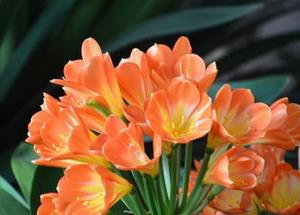
First: Clivia is a perennial herbaceous plant of the genus Clivia in the Amaryllidaceae family. Its flowering period lasts up to 30-50 days, mainly in winter and spring, and it also blooms around the period from New Year's Day to the Spring Festival. It dislikes strong light and is a semi-shade plant; it prefers cool conditions and dislikes high temperatures. The optimal growing temperature is 15-25°C, and growth stops below 5°C. Winter is the golden stage for clivia growth.
Second: Types of Clivia:
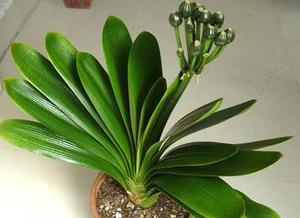
Clivia comes in many varieties: clivia seedlings (5-30 yuan), flowering clivia (50+ yuan), and high-quality clivia (for clivia, it depends on the variety; better ones can cost several thousand yuan, while ordinary ones are priced between 50 and 150 yuan, or higher). The price of clivia is determined by its quality. To judge whether a clivia is good or bad, you can identify it from four aspects: brightness, fineness, stiffness, and thickness.
1. Brightness refers to the degree of reflection on the leaf surface, in order: glossy, bright, shiny, slightly shiny, not shiny.
2. Fineness refers to the degree of smoothness and fineness of the leaf surface, in order: fine, relatively fine, average fineness, relatively rough, rough.
3. Stiffness refers to the overall degree of resistance to bending of the leaf, or the degree to which it would rather break than bend, in order: strong, relatively strong, relatively weak, weak.
4. Thickness refers to the thickness of the leaf flesh in cross-section. The smaller the difference in thickness between the leaf edge and the middle, the better, in order: 2.2 mm, 2 mm, 1.8 mm, 1.6 mm, below 1.4 mm.
Third: Cultivation Methods for Clivia:
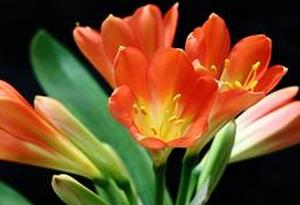
I. Cultivation Methods
Midsummer is approaching, so friends should pay special attention to clivia cultivation methods. As mentioned above, clivia is afraid of sun exposure. So it must be protected from the sun. There are also several other reasons to pay special attention:
1. Prevent direct sunlight; do not expose to scorching sun
In summer, clivia should be shielded from strong light all day. Using the slanting sunlight in the early morning for a short while each day is enough to satisfy photosynthesis.
2. Prevent high temperatures; do not let it dry out
The suitable temperature for clivia in summer is 18°C-25°C. It is best placed indoors with air conditioning, or in a shaded and ventilated area on a balcony. When watering, it is best to use tap water that has been left in the sun for two or three days. Water once after 6 p.m. every day, and do not let the potting soil become too dry or too wet.
3. Prevent leggy growth; do not fertilize
Summer is the dormancy period for clivia, so stop fertilizing, water moderately, and controlling humidity is an effective measure. If the potting soil has been fertilized too heavily or the fertilizer effect is too strong, remove the upper layer of soil from the pot, mix in 1/3-2/3 sand evenly, and put it back into the pot. This not only reduces fertilizer strength but also helps lower the temperature.
4. Prevent dust pollution; do not water with dirty water
The leaf surface of clivia should be kept clean. Once a week, use fine gauze dipped in clean water, wring it dry, and gently wipe the leaves. Watering with dirty water will cause roots and leaves to rot and turn yellow.
5. Prevent soil compaction; do not use clay (loess) in the pot
Clivia is suited to cultivation in loose, breathable, water-permeable, fertile humus soil with a pH of around 7.0.
6. Prevent disease; do not let it become infected
When changing soil or wiping leaves, be gentle to prevent roots and leaves from being injured and exuding sap, which can cause infection and lead to rot.
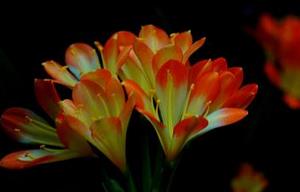
Fourth: Precautions During Cultivation:
1. It prefers a semi-shaded, cool environment and dislikes high temperatures, strong light, and dryness. The optimal growing temperature is 15-25°C. It goes dormant below 5°C. At high temperatures around 30°C, the leaves become narrow and long, affecting ornamental value, so cooling should be done in time.
During the growing period, the potting soil must be kept moist. During the high-temperature semi-dormant period, the potting soil should be kept on the dry side, and water should often be sprayed on the leaf surface to achieve cooling.
Clivia likes fertilizer. Repot once every 2 to 3 years in spring or autumn, adding leaf mold to the potting soil.
Turn the pot frequently to prevent the leaves from leaning to one side.
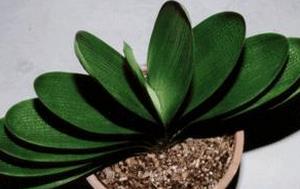
2. The season for changing clivia soil is approaching. Changing soil for clivia has certain technical requirements. If not handled well, it will not only affect the normal growth of clivia, but may even endanger its life. When changing soil for clivia, attention should be paid to the following aspects.
(1) Do not dig it out with a sharp tool, to prevent root damage. The correct method is: hold the plant's pseudobulb with one hand, support the flower pot with the other hand, slowly turn it upside down, and lightly tap the rim of the pot against a wooden stool or similar object, and the plant will come out. If it is a large potted plant, two people should work together: one person holds the plant's pseudobulb with both hands, and the other taps the outer wall of the pot, then slowly pulls it up.
(2) After the plant is turned out of the pot, gently remove the soil around the root system. Never knock it hard, to avoid damaging the roots. When tidying the root system, besides removing some old roots, rotten roots, and hollow roots, do not cut off even the longest roots. If long roots are cut off, not only will the root hair portion with absorption capacity be lost, affecting the future growth of the clivia, but the roots will also be prone to bacterial infection and rot.
(3) Pay attention to whether the bottom of the selected pot is flat and whether it is conducive to drainage.
(4) When filling soil and potting up, make sure the soil fills the spaces between the roots so that the roots and soil are closely combined. This helps the roots absorb nutrients in time.
III. What fertilizers are commonly used for clivia
1. Liquid fertilizers
These include various fermented cake types, blood types, and fermented fresh fish water, all of which are liquid fertilizers. For example, well-fermented soybeans, soybean cake, sesame residue, horse hoof pieces, and fish in water are all excellent liquid fertilizers.
2. Solid fertilizers
The seeds of various oil crops, oil meal, horse hoof pieces, and bone meal all belong to solid fertilizers. Such as hemp seeds, perilla seeds, castor seeds, peanuts, sunflower seeds, pine nuts, soybeans, sesame, etc.
Note: For flower pots that need soil replacement, one day before changing the soil, water thoroughly once. When repotting, place the potted flower slantwise on the ground, hold the plant's pseudobulb with one hand, support the flower pot with the other hand, slowly turn it upside down, and lightly tap the pot rim on a wooden stool, and the plant will come out. If repotting a mature clivia of 4 years or older, two people should work together: one person holds the plant's pseudobulb with both hands, and the other holds the flower pot with both hands and lightly taps the pot rim on a wooden stool, and the plant can be removed. When taking out the clivia with the soil ball, be careful not to let the soil ball break apart, so as not to damage the root system.
It may even endanger the life of the clivia. When changing soil for clivia, attention should be paid to the following aspects.(1) Do not dig it out with a sharp tool, to prevent root damage. The correct method is: hold the plant's pseudobulb with one hand, support the flower pot with the other hand, slowly turn it upside down, and lightly tap the rim of the pot against a wooden stool or similar object, and the plant will come out. If it is a large potted plant, two people should work together: one person holds the plant's pseudobulb with both hands, and the other taps the outer wall of the pot, then slowly pulls it up.
(2) After the plant is turned out of the pot, gently remove the soil around the root system. Never knock it hard, to avoid damaging the roots. When tidying the root system, besides removing some old roots, rotten roots, and hollow roots, do not cut off even the longest roots. If long roots are cut off, not only will the root hair portion with absorption capacity be lost, affecting the future growth of the clivia, but the roots will also be prone to bacterial infection and rot.
(3) Pay attention to whether the bottom of the selected pot is flat and whether it is conducive to drainage.
(4) When filling soil and potting up, make sure the soil fills the spaces between the roots so that the roots and soil are closely combined. This helps the roots absorb nutrients in time.
III. What fertilizers are commonly used for clivia
1. Liquid fertilizers
These include various fermented cake types, blood types, and fermented fresh fish water, all of which are liquid fertilizers. For example, well-fermented soybeans, soybean cake, sesame residue, horse hoof pieces, and fish in water are all excellent liquid fertilizers.
2. Solid fertilizers
The seeds of various oil crops, oil meal, horse hoof pieces, and bone meal all belong to solid fertilizers. Such as hemp seeds, perilla seeds, castor seeds, peanuts, sunflower seeds, pine nuts, soybeans, sesame, etc.
Note: For flower pots that need soil replacement, one day before changing the soil, water thoroughly once. When repotting, place the potted flower slantwise on the ground, hold the plant's pseudobulb with one hand, support the flower pot with the other hand, slowly turn it upside down, and lightly tap the pot rim on a wooden stool, and the plant will come out. If repotting a mature clivia of 4 years or older, two people should work together: one person holds the plant's pseudobulb with both hands, and the other holds the flower pot with both hands and lightly taps the pot rim on a wooden stool, and the plant can be removed. When taking out the clivia with the soil ball, be careful not to let the soil ball break apart, so as not to damage the root system.