How to Grow Peperomia? Peperomia Care Tips and Photo Gallery
What Is Peperomia
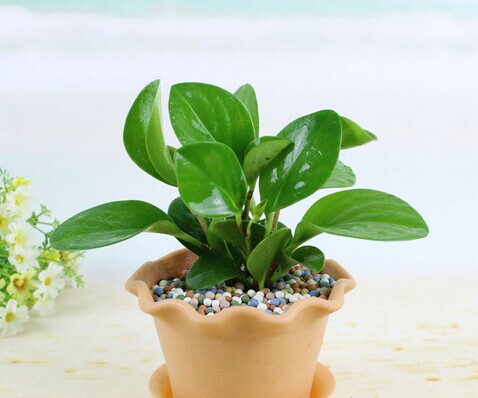
Green-leaf peperomia, also called dwarf pepper, pepper grass, or emerald pepper grass, is a perennial evergreen herbaceous plant of the genus Peperomia in the family Piperaceae.
The plant grows 20-25 cm tall, with round stems, branching, and light green color with purplish-red markings. The leaves are alternate, slightly fleshy, oblong, deep green, and glossy, up to 15 cm long, with a wedge-shaped base and short petioles.
The spike inflorescence is 2.5-18 cm long, with small greenish-white flowers; the peduncle is shorter than the spike and smooth and hairless. The fruit has a curved, sharp-pointed beak. It is the representative species of upright peperomia.
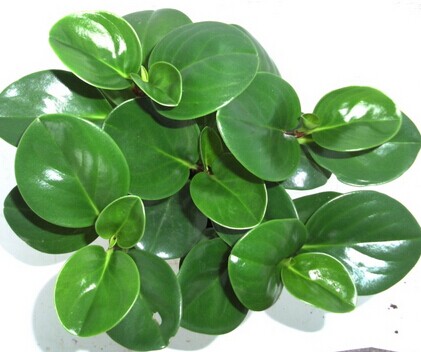
The main horticultural varieties include:
1. Variegated peperomia, with red spots on the stems, dark green leaves, and yellow markings along the margins that later turn nearly white;
2. Green and gold, with yellow markings on the leaves.
Origin and habits: native to the West Indies, Panama, and northern South America. It prefers a warm, humid, semi-shaded environment. The optimum growing temperature is around 25°C, and it must not go below 10°C; it is not tolerant of high temperatures, requires relatively high air humidity, and dislikes direct sunlight; it prefers loose, fertile, well-drained, moist soil.
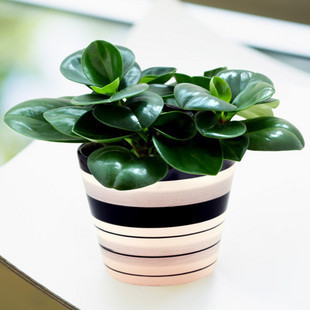
Propagation and cultivation: mostly propagated by cuttings and division
1. Cuttings: in April-May, select healthy terminal shoots about 5 cm long as cuttings, keep 1-2 leaves on the upper part, and after the cut surface dries, insert them into a moist sand bed. Leaf cuttings can also be used: cut off a leaf with its petiole with a knife, let it dry slightly, then insert it obliquely into the sand bed, and it will root in 10-15 days. In a greenhouse with temperature control equipment, this can be done year-round.
2. Division: mainly used for propagating variegated-leaf varieties. The potting soil can be made from leaf mold and peat soil plus some perlite or sand, with an appropriate amount of base fertilizer added. During the growing season, apply a top dressing once every half month; for watering, water that has been left standing in a water tank for 1-2 days is best, and watering should be reduced in winter. Temperature changes directly affect leaf color; the optimum winter temperature for variegated-leaf types is 18-20°C, and for green-leaf types about 15°C.
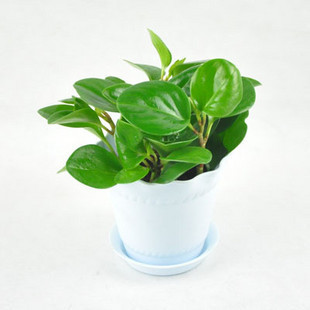
How Is Peperomia, and What Should Be Noted
Peperomia fears heat in the hot summer, so it can be placed under a shade shed and misted to cool it down, but note that both excessive heat and excessive moisture can cause the stems and leaves to turn black and rot. In winter, place it in a bright spot, and in summer avoid direct sunlight. Repot once every 2-3 years. This variety has few pests and diseases, but when the soil is too wet, leaf spot and stem rot often occur, and occasionally scale insects and slugs cause damage, so timely control is needed.
Peperomia has emerald-green, glossy leaves, a beautiful plant shape, is relatively shade-tolerant, and is small and lovely; placed in front of a window, on a desk, or on a coffee table, it has a unique elegance. So how is peperomia best grown? What should be noted?
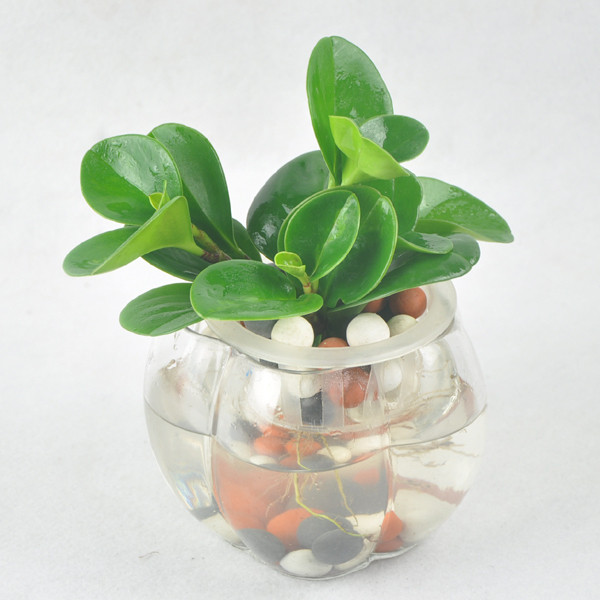
1. Substrate Requirements
Substrate: it likes to grow in loose, fertile, well-drained sandy soil rich in humus, and grows poorly in clay. A general substrate mix can be leaf mold + river sand + a small amount of decomposed organic fertilizer; if conditions permit, a mix of peat soil and perlite can be used for cultivation.
2. Light Requirements
Light: it prefers semi-shade or scattered light. Except in winter, when it needs sufficient light, it needs a little shading in other seasons, especially in summer when more shading is needed. If placed in a shaded environment, it tends to grow leggy, with longer internodes, reducing its ornamental value, which is also undesirable. Under semi-shade conditions, the leaf color is brighter and the gloss is better, especially for variegated varieties, which have slightly higher sunlight requirements.
3. Temperature Requirements
Temperature: it prefers a warm environment, with an optimum growing temperature of 20-30°C; the overwintering temperature is best kept above 10°C, growth stops below 10°C, and below 5°C it is prone to cold damage.
4. Humidity Requirements
Humidity: it prefers a humid growing environment, growing lushly and with vivid leaf color under high-humidity conditions. When the temperature is high or the air is dry, increase misting of the leaf surface or sprinkle water in the growing environment to maintain relatively high air humidity, which is extremely beneficial to plant growth. It can also adapt to short periods of dry conditions, but not for long, and generally humidity should be kept at around 70%.
5. Watering Frequency
Watering: it relatively likes water and is not tolerant of drought. During the growing season, water frequently; when the temperature is above 25°C or the air is dry, water more, but also prevent waterlogging. When the temperature is below 25°C, water thoroughly only when the soil surface is dry. When the temperature is below 10°C, it can tolerate several days without watering even if dry.
6. Fertilization Matters
Fertilization: when the temperature is above 18°C, a small amount of fertilizer is needed; when the temperature is below 18°C or above 30°C, it is best to apply little or no fertilizer. Fertilization is best done in small amounts and several times, and watering with diluted fertilizer liquid instead of clear water is best. It is not tolerant of raw fertilizer or concentrated fertilizer, which can easily cause fertilizer damage. Foliar spraying with fertilizer liquid can also be used for fertilization, with good results. Fertilizers are mainly nitrogen and potassium, with phosphorus secondary.
7. Pruning Frequency
Pruning and propagation: for newly propagated seedlings, pinch out the growing tip when the seedling is about 10 cm tall to increase the number of branches; this makes the plant shape fuller and its ornamental value higher. For large plants, pruning is generally based on growth condition; cut back leggy branches, which can be used as cutting material and root easily, and can be inserted into clean river sand or vermiculite, or directly into sandy soil. Propagation can also be done by leaf cuttings and division. The environmental temperature generally required for propagation is between 20-25°C. Leaf cuttings need to have a petiole and are inserted upright or slightly slanted into river sand, with the insertion depth 1/4-1/3 of the petiole, keeping the substrate moist and the air humidity relatively high.
6. Fertilization Matters
Fertilization: when the temperature is above 18°C, a small amount of fertilizer is needed; when the temperature is below 18°C or above 30°C, it is best to apply little or no fertilizer. Fertilization is best done in small amounts and several times, and watering with diluted fertilizer liquid instead of clear water is best. It is not tolerant of raw fertilizer or concentrated fertilizer, which can easily cause fertilizer damage. Foliar spraying with fertilizer liquid can also be used for fertilization, with good results. Fertilizers are mainly nitrogen and potassium, with phosphorus secondary.
7. Pruning Frequency
Pruning and propagation: for newly propagated seedlings, pinch out the growing tip when the seedling is about 10 cm tall to increase the number of branches; this makes the plant shape fuller and its ornamental value higher. For large plants, pruning is generally based on growth condition; cut back leggy branches, which can be used as cutting material and root easily, and can be inserted into clean river sand or vermiculite, or directly into sandy soil. Propagation can also be done by leaf cuttings and division. The environmental temperature generally required for propagation is between 20-25°C. Leaf cuttings need to have a petiole and are inserted upright or slightly slanted into river sand, with the insertion depth 1/4-1/3 of the petiole, keeping the substrate moist and the air humidity relatively high.