How to propagate African jasmine? A few common propagation methods
How do you propagate African jasmine? If you want to know, why not take a look at the following introduction to the propagation methods for African jasmine!
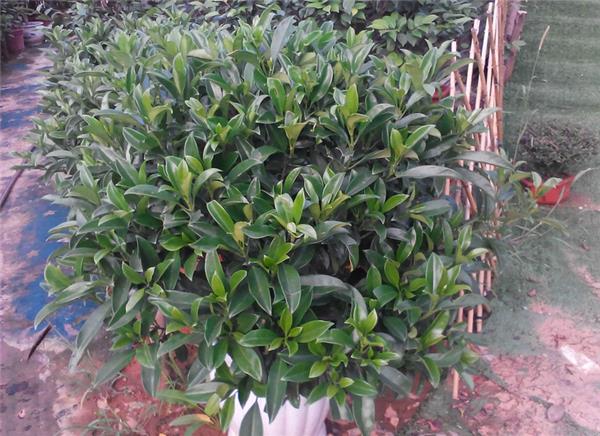
How to propagate African jasmine
1. Seed propagation
For seed propagation of African jasmine, it is best to collect ripe fruit between October and December, extract the seeds, and then scatter-sow or drill-sow them in a loose, fertile sandy loam seedbed, covering with 2 to 3 cm of soil, and adding a layer of rice straw or plastic film to keep warm and protect against cold, or store the seeds in sand until the seeds crack open and show white before sowing. Seeds sown in late autumn and early winter will not emerge until the following spring. After emergence, remove the covering promptly, strengthen water and fertilizer management, and set up a shade frame after summer begins; this can be expected to produce tall African jasmine with a good stem form.
2. Cutting propagation
African jasmine can be propagated by cuttings from the end of April through October, but it is best to take cuttings during the plum rain period in June and July, when rooting results are relatively ideal. Cut 1- to 2-year-old healthy branches as cuttings, 12 to 15 cm long, with 2 to 3 half-leaves, with the bottom cut preferably located 0.2 to 0.3 cm below a node, and insert them into peat soil, sandy loam, vermiculite or yellow subsoil, but peat soil gives the best rooting results. Cover with plastic film to retain moisture, and in clear weather be careful to set up shade. After 1 to 2 months they will root, and the survival rate can reach more than 80%.
3. Division propagation
Between March and April, when African jasmine just begins to sprout, take the clustered African jasmine out of the flower pot, or dig up soil-planted African jasmine from the ground, shake off part of the old soil, and at the weak points where the roots join, cut them apart with a sharp knife, so that each clump has at least 2 to 3 stems and a portion of intact roots, then plant the African jasmine separately in the ground or in pots. African jasmine will grow many suckers on the roots near the ground surface; these can be cut off from the roots together with the suckers and planted separately, which is also very simple and convenient.
4. Layering propagation
① Simple layering: in southern regions in April, take vigorous 2- to 3-year-old branches sprouting from the base, girdle or notch the middle-lower part, then forcibly press and bury them into a trench already dug in the ground, cover with thick soil, and roots will form after about 40 to 50 days. In July to August, cut them away from the mother plant and plant the African jasmine separately in the ground or in a pot. This method is relatively common in production.
② Air layering: for potted African jasmine in northern regions, after it is brought outdoors at the end of April, girdle a vigorous 2-year-old branch 0.5 cm below a node, with the girdling width about 3 times the thickness of the branch, then wrap wet moss or peat around the girdled area with plastic film, leaving a water-collection opening at the upper end of the soil ball, keeping the soil ball moist, and roots will form after 2 to 3 months. Hobbyists can use this method to propagate African jasmine in small quantities as gifts for flower-loving friends.
Finally, let us introduce the benefits of African jasmine.
1. Ornamental value among the benefits of African jasmine
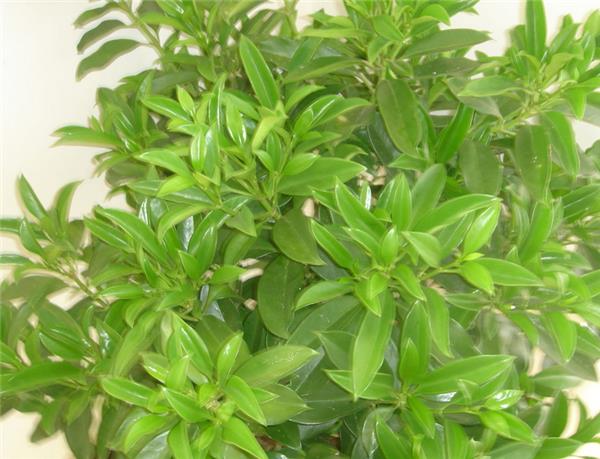
The leaves of African jasmine are relatively thick and emerald green, and visually they can give people a pleasant feeling. The branches of African jasmine are jade-green in color, the leaves are glossy and shining, and the flowers are slightly fragrant, with elegant flower shapes, each flower having five petals, arranged in umbels clustered at the tips of the flowering branches. The flowering period is very long, blooming in both winter and summer, and blooming most brilliantly in spring and summer. It is very suitable for placement in the home. It has strong ornamental value.
2. Beautifying the home among the benefits of African jasmine
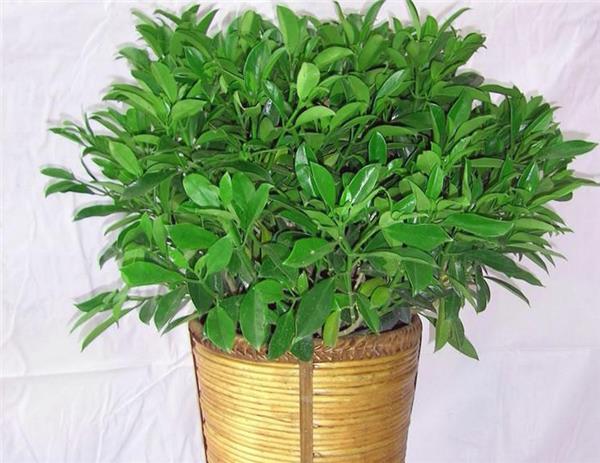
For a plant with such vigorous branches and leaves as African jasmine, it pairs very well with American-style, pastoral-style and other rural-style homes, as well as with Chinese-style home environments. Even American pastoral style cannot find fault with the lushness of African jasmine. Chinese style emphasizes the appearance and shape of plant leaves, and the non-pointed and rounded African jasmine is a good partner for home style. If placed appropriately, it will give the home a different, charming appeal.
3. Improving the home environment among the benefits of African jasmine
The leaves of African jasmine are relatively thick and emerald green, and visually they can give people a pleasant feeling. The volatile oils produced by African jasmine have a significant bactericidal effect, can help people relax, are conducive to sleep, and can also improve work efficiency. Moreover, African jasmine flowers have a bactericidal and detoxifying effect in medicinal use. On the other hand, these volatile oils can regulate the body's hormone balance. The fragrance of African jasmine is also light, feeling very fresh, and has a good effect on improving the home environment.
However, African jasmine is not suitable for being placed indoors for a long time. After African jasmine blooms, its fragrance spreads everywhere; the fragrance it gives off is actually a number of volatile chemical substances with relatively complex components. Different people also react differently to the same odor. If the environment and space are very large and the number of plants is very small, there may not be much of a problem. However, in a rich floral fragrance environment for a long time, it is easy to cause adverse reactions such as difficulty breathing, dizziness, nausea and chest tightness.
4. Feng shui effect among the benefits of African jasmine
African jasmine also has a certain feng shui effect. Placing African jasmine on a windowsill can attract wind into the house. African jasmine is usually relatively large in size. If placed at a window position, when wind blows past, it will block the wind, change the wind direction, and make the wind turn and blow into the home. In a home where wind blows in, the feng shui is believed to be good. The leaf color of African jasmine is relatively dark, and it also has the effect of warding off evil.
It feels very fresh and has a good effect on improving the home environment.However, African jasmine is not suitable for being placed indoors for a long time. After African jasmine blooms, its fragrance spreads everywhere; the fragrance it gives off is actually a number of volatile chemical substances with relatively complex components. Different people also react differently to the same odor. If the environment and space are very large and the number of plants is very small, there may not be much of a problem. However, in a rich floral fragrance environment for a long time, it is easy to cause adverse reactions such as difficulty breathing, dizziness, nausea and chest tightness.
4. Feng shui effect among the benefits of African jasmine
African jasmine also has a certain feng shui effect. Placing African jasmine on a windowsill can attract wind into the house. African jasmine is usually relatively large in size. If placed at a window position, when wind blows past, it will block the wind, change the wind direction, and make the wind turn and blow into the home. In a home where wind blows in, the feng shui is believed to be good. The leaf color of African jasmine is relatively dark, and it also has the effect of warding off evil.