How to prune African jasmine? Detailed explanation of the correct method
With careful care, African jasmine will soon grow lush branches and leaves, and so many messy branches and leaves really do not look very attractive. So here is the question: how should African jasmine be pruned to look beautiful?
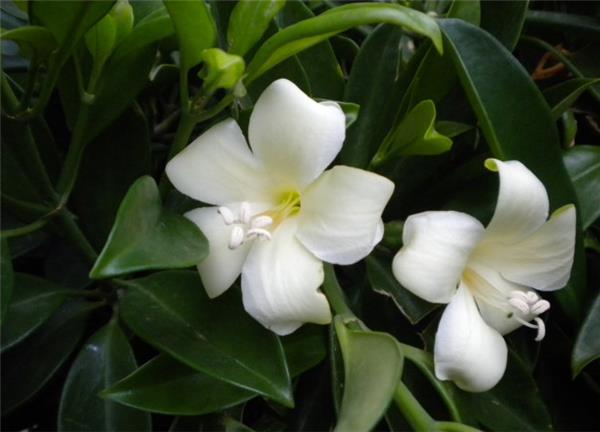
How to prune African jasmine
The specific method is as follows:
1. Place the plant in suitable environmental conditions half a month in advance and apply an appropriate amount of fertilizer to promote growth. Half a month later, when growth is normal, shorten every branch. The position of the cut depends on the size of the plant, generally leaving about 15-30 cm. This can be handled flexibly.
2. After pruning, generally reduce the frequency of watering, and it is best to water with fertilized water.
3. Potted African jasmine generally should be repotted and have its soil changed once a year to maintain its demand for some nutrients in the soil. Before repotting, jasmine should be pruned once, leaving only about 10 cm on the branches grown in the previous year, and cutting off diseased and dead branches as well as overly dense and overly thin branches. When repotting, remove part of the old soil and residual roots around the jasmine root system, and replace them with new potting soil, being careful not to damage the roots.
4. During the growing season, regularly thin out old leaves that are too densely grown, which can promote the sprouting of axillary buds, the growth of more new branches, and the formation of more flower buds.
5. If you want some beautiful shape, such as mushroom-shaped, spherical, etc., you must be patient and prune and shape it little by little. Avoid pruning too heavily all at once, as this will make it very difficult to recover growth.
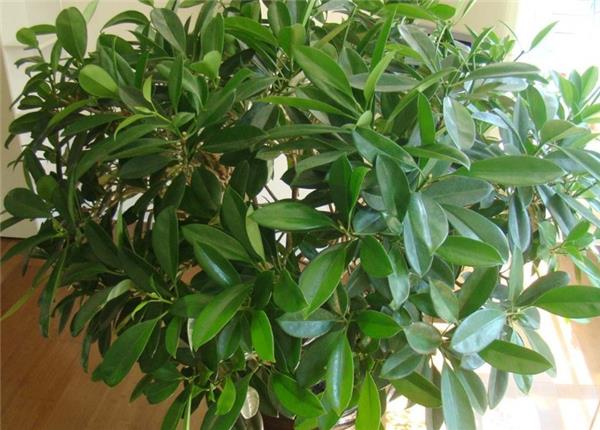
Care after pruning African jasmine
After pruning African jasmine, you can control the frequency of watering, because with fewer or no leaves, transpiration is extremely low and the water requirement is not great. However, from then on, it is best to choose fertilized water for each watering. As the new branches and leaves of African jasmine grow, fertilizer and water management can be increased. African jasmine generally should be repotted and have its soil changed once a year. When repotting, remove part of the old soil and residual roots around the African jasmine root system, and replace them with new potting soil to improve the soil's aggregate structure and nutrients again, which is beneficial to the growth of African jasmine. After repotting, water thoroughly again as when potting up, so as to help the roots and soil bind closely and restore growth. Before repotting, jasmine should be pruned once, leaving only about 10 cm on the branches grown in the previous year, and cutting off diseased and dead branches as well as overly dense and overly thin branches. During the growing season, regularly thin out old leaves that are too densely grown, which can promote the sprouting of axillary buds, the growth of more new branches, and the formation of more flower buds.
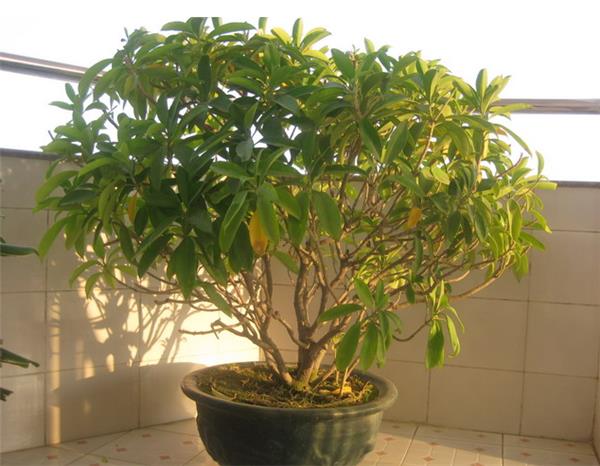
Finally, let us look at the impact of African jasmine on the home environment.
The leaves of African jasmine are relatively thick and emerald green, and visually they can give people a pleasant feeling. The volatile oils produced by African jasmine have a significant sterilizing effect. They can make people relax, help with sleep, and also improve work efficiency, and its flowers also have a sterilizing and detoxifying effect when used medicinally. On the other hand, these volatile oils can regulate the body's hormone balance. Its fragrance is also light, making people feel fresh, and it has a good effect on improving the home environment.
However, we must know that all living things need to breathe. During the day, plants also release carbon dioxide, but during the day photosynthesis is greater than respiration, so macroscopically they appear to release oxygen. At night there is no sunlight, and plants only carry out respiration, absorbing a small amount of oxygen and releasing a large amount of carbon dioxide, so macroscopically they appear to release carbon dioxide. As for African jasmine, after it blooms its fragrance spreads everywhere, and many people like to put it in the bedroom and fall asleep accompanied by its subtle scent. However, this may be harmful to the health of some people. This is because the fragrance released by African jasmine is actually a number of volatile chemical substances with relatively complex components. Different people also react differently to the same smell, which is related to the floral fragrance components of the plant itself, the concentration, the ambient temperature, the air flow rate, as well as a person's physical condition and individual perception. If the environmental space is very large and the number of plants is very small, there may not be much of a problem. However, being in an environment with a strong floral fragrance for a long time can easily cause adverse reactions such as difficulty breathing, dizziness, nausea, and chest tightness.