Cedar Cultivation Methods and Precautions
The cedar is one of the world's famous ornamental garden tree species. It has strong dust-proofing, noise-reducing and sterilizing abilities, and is also suitable as a greening tree species for industrial and mining enterprises. Below is an introduction to cedar cultivation methods.
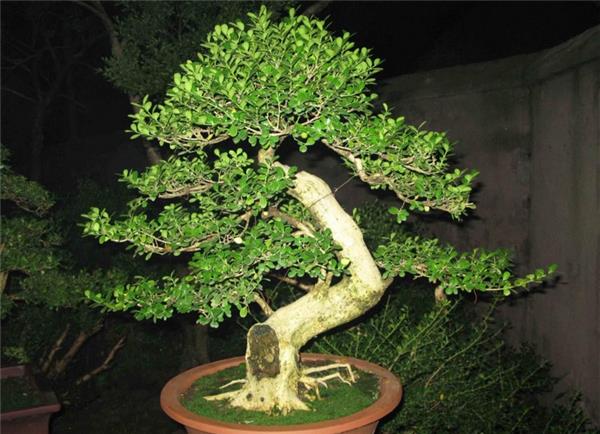
Cedar Cultivation Methods
1. Water and Fertilizer
The cedar has a certain drought tolerance and fears waterlogging; keeping the soil in the pot moist is sufficient. Observe the pot soil frequently; if it is dry, water it, watering thoroughly but without letting water accumulate in the pot (therefore it is best to use a pot with a hole in the bottom and to cushion it with crushed stones). Drain promptly after rain (pay special attention to this during summer rainstorms and autumn plum rain periods; the potted plant can be moved indoors to a spot with light). If not handled promptly, it may cause root rot in the cedar.
For fertilizing cedar, fermented and decomposed human manure and cake fertilizer are suitable; for potted cultivation, cake fertilizer is the main choice. The fertilizing time is best controlled to April-May, and care should be taken that the fertilizer solution is not too concentrated; it can be applied in 2-3 split applications.
2. Repotting
It is advisable to repot once every 2-3 years, preferably before bud break in spring, in March-April. When repotting, replace half the soil with loose, fertile new soil and cut off rotten roots. After repotting, first place it in a shaded spot for half a month, then move on to normal care.
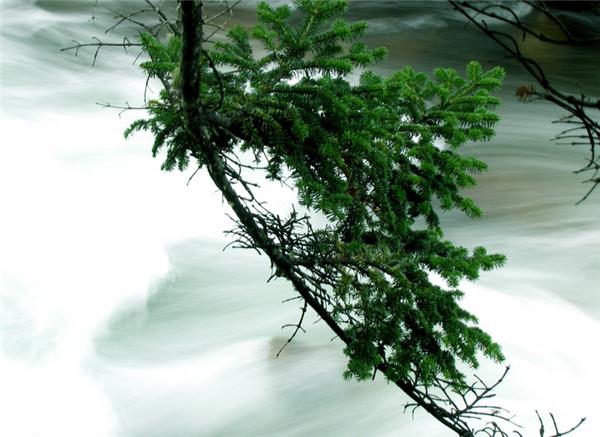
3. Pruning
During management of the cedar, attention must be paid to shaping and leader replacement. The cedar has heavy branches; if the leader is damaged or weakened, a strong side branch must be pulled up and tied well to become the central dominant shoot afterward; this process is leader replacement.
The pruning method mainly consists of thinning out overly dense branches and water sprouts, and cutting off dead, diseased and pest-infested branches; the tree shape is mainly a matter of personal preference. (To prevent the cedar from growing too tall, the terminal bud needs to be removed to eliminate apical dominance, so that the cedar can sprout more side branches.)
4. Pests and Diseases
For potted cedar, the main attention is on preventing and controlling leaf blight. It can be sprayed with a 500-800 times dilution of Dexon. There are relatively many insect pests; a 1000-1500 times dilution of 80% dichlorvos can be sprayed.
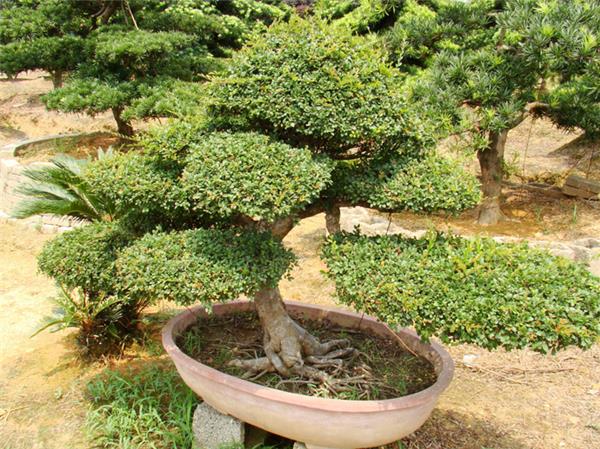
Cedar Propagation Methods
Cedar has traditionally been propagated by cuttings, with a low survival rate. In the past two years, some units have used cedar seeds for sowing propagation and gained some experience; the key points are to do the following:
1. Cedar seedlings fear drought and waterlogging, so the propagation nursery site should be chosen and built in a place with convenient irrigation and drainage, slightly acidic soil, and deep, fertile sandy soil. Never propagate on vegetable plots or old nursery plots that have been used for many years.
2. When plowing the cedar nursery plot, sufficient cake fertilizer or decomposed barnyard manure should be applied as base fertilizer; if good farmland is used for propagation, an additional 100 jin of calcium magnesium phosphate fertilizer per mu should be applied; before the final plowing and harrowing, spread 2-3 jin of Dexon or 20-30 jin of ferrous sulfate per mu for soil disinfection, then make seedbeds with deep furrows and high ridges; the bed surface should be raked fine and shaped into a turtle-back form; on the finished bed surface, spread a layer of 3-5 cm thick, pathogen-free, relatively fertile, loose, sieved mountain virgin soil.
3. Before sowing, cedar seeds must undergo seed soaking to promote germination; soaking the seeds in cold water for 96 hours gives the best effect; alternatively, soak them in 45-50°C warm water for 24 hours each, then disinfect with 0.1% potassium permanganate for 30 minutes after soaking, then rinse clean with clear water and air-dry before sowing; never sow while wet. The sowing time is usually before "Spring Equinox," and earlier is better than later; drilling is preferable, with a row spacing of 10-15 cm and a plant spacing of 4-5 cm; the seeds should be inserted upright on the sowing furrow, with a sowing rate of 15-20 jin per mu; after sowing, cover with 0.5-1 cm thick yellow subsoil or burnt mud ash.
4. Covering the seedling bed after sowing is a key measure for successful cedar propagation. After sowing, not only must soil be covered, but also a thin layer of langyi grass or rice straw, then use a watering can to sprinkle water on it to keep the bed surface moist; when more than 70% of the seedlings have emerged, remove the covering grass. To prevent newly emerged seedlings from being lost to rain, a low film tunnel should also be set up immediately after covering with grass, and the temperature inside the tunnel should be managed well; when the temperature inside the tunnel remains at 15-20°C, ventilation should be carried out; on sunny days when the outside temperature is above 15°C, the film can be uncovered during the day and covered well at night. When the seedlings grow true leaves, remove the low tunnel and then set up a tall shade frame.
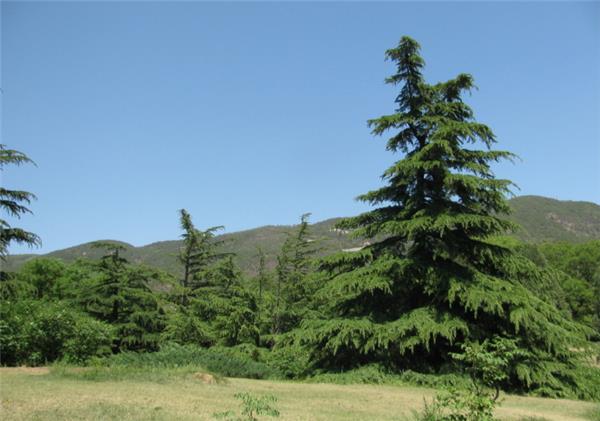
The cedar tree is tall and has a beautiful tree shape, most suitable for solitary planting in the center of a lawn, in the center of a building's front courtyard, in the center of a square, or on both sides of major buildings and at garden gate entrances. The large branches on the lower part of its trunk spread out flat from near the ground and do not wither for many years, forming a lush and majestic crown; in addition, planting them in rows on both sides of a garden path to form a walkway is also extremely spectacular.