How to grow African jasmine? Cultivation methods and precautions
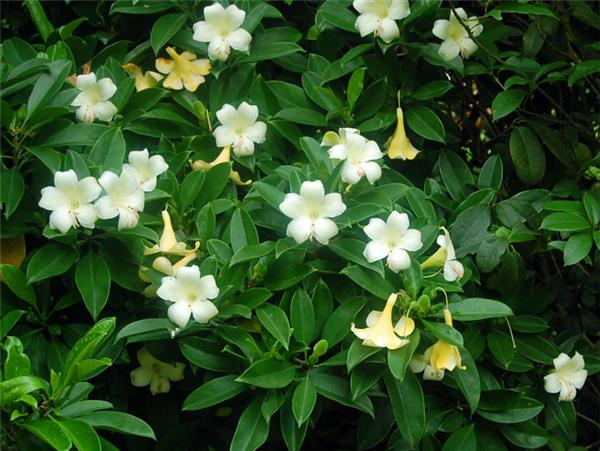
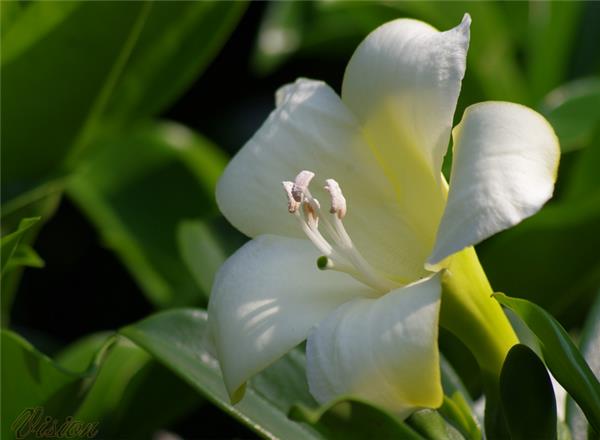
African jasmine has emerald-green leaves, attractive flowers with a slight fragrance, and a very long blooming period, making it well suited for partial decorative accenting in the home. Below are the cultivation methods and precautions for African jasmine.
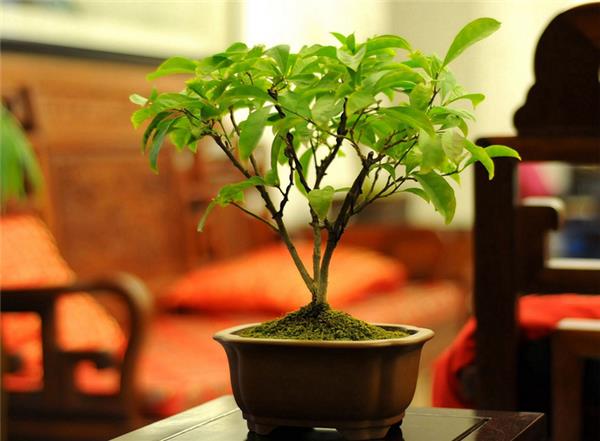
Cultivation methods for African jasmine
African jasmine prefers warmth and likes sunlight, but it must be kept away from intense direct sunlight in summer; it likes environments with high air humidity and good ventilation, and it cannot tolerate cold, dry freezing, or sharp drops in temperature; it grows best in loose, fertile loam with good drainage; it has strong sprouting and suckering ability, and is especially tolerant of repeated pruning. The flowering period is May, and the fruiting period is October to December.
Temperature: African jasmine grows well under warm climatic conditions. The optimum growing temperature is 18-32°C. When the summer temperature rises above 38°C, plant growth will be inhibited; in some areas of South China, ground-planted specimens can overwinter outdoors, while north of the Yangtze River, potted plants require a greenhouse or indoor temperature in winter of no lower than 3-5°C.
Light: In South China, it is best to choose a location with side shade; for potted plants north of the Yangtze River, full sunlight can be accepted in spring and autumn, while in summer direct sunlight around midday must be avoided; pay special attention to clear days after long periods of rain from June to July, when sunlight is very strong, so shading must be done well to prevent young leaves from being scorched. Potted plants require fairly ample scattered light and should not be kept too dark, otherwise the leaves will lose their green color and turn yellow or drop off.
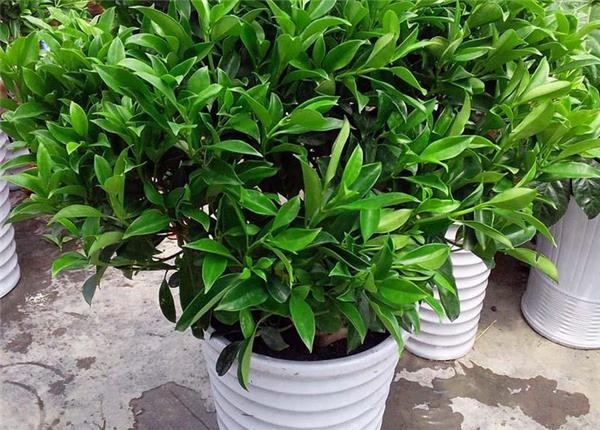
Water: Whether ground-planted or potted, ample water is required, but the roots must not be waterlogged, otherwise root rot easily occurs. In spring and autumn, water enough to keep the potting soil moist; during the plum rain season, guard carefully against waterlogging; in the scorching summer, spray water once in the morning and once in the afternoon to increase humidity and lower temperature; in winter, for indoor potted plants, it is appropriate to keep the potting soil slightly moist, and around midday when the temperature is relatively higher, spray an appropriate amount of water on the leaf surfaces.
Soil: In southern regions, the planting site should be loose, fertile sandy loam with good drainage. For potted plants in the north, a mix of 7 parts leaf mold, 1 part river sand, 1 part composted organic fertilizer, and 1 part fermented sawdust can be used. During the growing season, loosen the soil of potted plants once a month, always keeping the root area in a well-aerated state. In addition, potted plants can have their soil changed once every 1 to 2 years.
Fertilizer: During the growing season, potted plants should be given a topdressing of thin, well-rotted cake fertilizer water once a month. Before flowering in May, apply a phosphorus-potassium fertilizer once to promote flowering; after autumn, apply phosphorus-potassium fertilizer another 1 to 2 times to help the plant overwinter safely. For potted plants in northern regions, to prevent leaf yellowing, add 0.2% ferrous sulfate when watering with fertilizer during the growing season.
Precautions for African jasmine
African jasmine is a tree species that likes sunlight. It is not a herbaceous plant but belongs to the small tree family, so when grown at home, it is enough to pay attention to light. Providing appropriate sunlight every day is one of the essential factors for ensuring its healthy growth.
The most difficult time for African jasmine is winter. If there are no good protective measures, growth will be sluggish the following year. Especially in the north, indoor insulation is needed in winter to ensure the growing environment is not lower than 5-10°C.
African jasmine rarely gets sick once it is a mature plant, but during growth it can develop quite a few diseases, such as leaves turning yellow or black, or scorching of young leaves caused by overly strong light. Therefore, during the growing period, careful care is needed. For pests, pesticide spraying can be done as appropriate. Anthracnose is the most common, with symptoms of small black spots appearing on the leaves and gray-white areas developing. Generally, dedicated pesticide solutions are available for purchase. For scorching injury, the usual approach is to water more and provide more shade to improve the condition.
Finally, let us look at what to do when African jasmine drops its leaves.
After African jasmine has been grown for some time, you will actually find that its growth stops, because some of the elements in the soil have been used up, so at this point it needs repotting; a small pot is not suitable for root growth. However, if it is not repotted in time, trace elements cannot keep up, which will cause the leaves to drop or turn yellow. Therefore, it is recommended to replace the potting soil every 2 years or every 1 year.
Many people like to water more in summer, feeling that it can lower the temperature. What they do not realize is that watering too much can actually affect the growth of African jasmine. If there is too much water, the roots rot, nutrients or water cannot be supplied adequately, and the leaves drop.
As a sun-loving plant, African jasmine is adapted to relatively high growing temperatures, so it generally grows slowly in autumn and may wither in winter, which means the leaves will also gradually turn yellow and fall off. At this time, insulation measures must be taken.
If African jasmine is left to grow unattended, it is very easy for pests and diseases to cause harm. The invasion of nutrients or leaves by insects causes its leaves to drop or wither, so timely treatment is needed, such as spraying pesticides.
General solutions for leaf drop:
1. When it sprouts in early spring, carry out drying treatment, then cut back the branches that have lost their leaves, and then gradually apply fertilizer.
2. Place it in a cool, ventilated place, and wait until the leaves grow out before exposing it to the sun.
3. Pay attention to water control and maintain it properly.
Nutrients or water cannot be supplied adequately, and the leaves drop.As a sun-loving plant, African jasmine is adapted to relatively high growing temperatures, so it generally grows slowly in autumn and may wither in winter, which means the leaves will also gradually turn yellow and fall off. At this time, insulation measures must be taken.
If African jasmine is left to grow unattended, it is very easy for pests and diseases to cause harm. The invasion of nutrients or leaves by insects causes its leaves to drop or wither, so timely treatment is needed, such as spraying pesticides.
General solutions for leaf drop:
1. When it sprouts in early spring, carry out drying treatment, then cut back the branches that have lost their leaves, and then gradually apply fertilizer.
2. Place it in a cool, ventilated place, and wait until the leaves grow out before exposing it to the sun.
3. Pay attention to water control and maintain it properly.