How to Grow a Peace Lily? Detailed Guide to Care Methods and Precautions
The peace lily is a staple of our indoor potted plants; its beautiful flowers and tender green foliage have long been widely loved by the public. However, some people are still not very familiar with how to grow peace lilies. Below, let's take a look at the care methods for peace lilies.
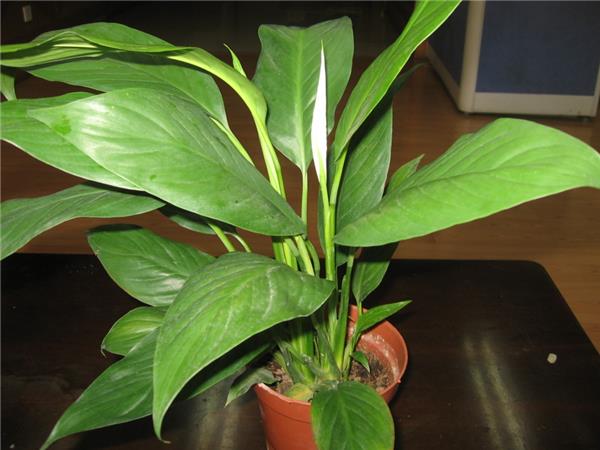
Peace lily care methods.
1. Light conditions: a neutral plant, suitable for growing in semi-shaded spots. Required care: keep the potting soil moist and fertilize regularly; the leaves need frequent misting.
2. Suitable temperature: the optimal growing temperature is 20-28°C, and the overwintering temperature is 10°C. It can remove: ammonia, acetone, benzene, trichloroethylene, formaldehyde. The peace lily is fairly shade-tolerant; as long as there is about 60% scattered light, its growth needs can be met, so it can be grown year-round indoors in a spot with bright scattered light. In summer, 60%-70% of the sunlight can be shaded out; avoid direct strong light, otherwise the leaves will turn yellow, and in severe cases sunscald will occur. In northern winter greenhouse cultivation, no shading or only slight shading is needed. If the light is too dim for a long time, it will be difficult for it to bloom. The peace lily is a heat-loving species and should be cultivated in a high-temperature greenhouse. In winter, the minimum nighttime temperature should be 14-16°C, and the daytime temperature should be around 25°C. Prolonged low temperatures easily cause leaf drop or scorched-yellow leaves.
3. During the growing period, the potting soil should be kept moist at all times, but avoid overwatering and having the potting soil wet for a long time, otherwise root rot and yellowing and withering of the plant are likely. In summer and dry seasons, frequently spray water onto the leaf surface with a fine-nozzle sprayer, and also sprinkle water on the ground around the plant to keep the air humid, which is very beneficial to its growth and development. When the climate is dry and air humidity is low, new leaves will become smaller and yellow, and in severe cases wither, yellow, and drop. In winter, watering should be controlled, and it is appropriate for the potting soil to be slightly moist. Potted peace lilies require loose soil with good drainage and aeration; heavy clay soil must not be used. Generally, a substrate can be made by mixing leaf mold and peat soil with a small amount of perlite; when planting, add a small amount of organic fertilizer as a base fertilizer. Because of its fast growth rate and relatively high fertilizer demand, liquid fertilizer must be applied once every 1-2 weeks during the growing season; at the same time, supply sufficient water and keep the potting soil moist frequently. During high-temperature periods, water should also be sprayed on the leaves and ground to increase air humidity. If the surrounding environment is too dry, new leaves will become smaller and yellow, and in severe cases wither, yellow, and drop. In late autumn and winter, watering should be reduced, and it is enough to keep the potting soil slightly moist. It requires semi-shade or scattered light conditions, and during the growing season it must be shaded at 60%-70%. If the light is too strong, the leaves are easily scorched and burned, the leaf color becomes dull, and it loses its luster; if the light is too dim for a long time, the plant grows weakly and does not bloom easily. The peace lily is a heat-loving species; prolonged low temperatures and moisture easily cause root rot and yellowing and withering of the aboveground parts, so in winter attention should be paid to cold protection and warmth retention, while keeping the potting soil moist.
Key Points for Growing Peace Lilies.
Substrate selection: peace lilies need loose potting soil with good drainage and air permeability. Before obtaining high-quality seedlings, the growing substrate should be prepared. The substrate can be ordinary northeastern peat or imported German peat, but in either case 15%-20% perlite must be added and stirred evenly. Choose large-particle perlite, and at the same time try not to crush the perlite. The prepared substrate should have an EC value of about 0.7 mS/cm and a pH value maintained at about 5.5. Temperature control: the peace lily is a heat-loving species and should be cultivated in a high-temperature greenhouse. The most suitable daytime and nighttime temperatures for peace lilies are 20°C-21°C, and the maximum should not exceed 24°C. If the daytime temperature is higher, as compensation, the nighttime temperature can be appropriately lowered. For example, if the daytime temperature is 27°C for 6 hours, then at night the temperature should be kept at 9°C for 6 hours. Other situations can be inferred in the same way. Pay special attention: if the peace lily is kept at low temperature for a long time, it easily causes leaf drop or a scorched-yellow appearance.
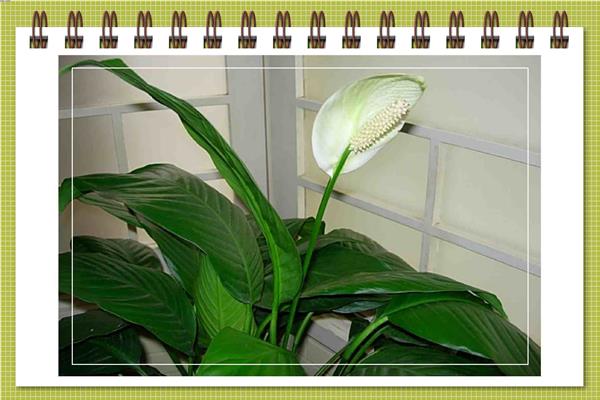
Water management: peace lilies prefer a moist environment. The substrate must always be kept moist; do not wait until the substrate is completely dry before watering. The "water when dry, stop when wet" approach to water management is not suitable for peace lilies, and it also increases the chance of root infection, which is detrimental to growth. The best watering method is overhead sprinkling, but the seedbed must have good drainage. The EC value of the sprayed water should not exceed 0.8 mS/cm at most, otherwise it is unfavorable to crop growth. The most suitable relative humidity for peace lily growth is 75%-85%. Frequently spray water onto the leaf surface with a fine-nozzle sprayer, and also sprinkle water on the ground around the plant to keep the air humid, which is very beneficial to its growth and development. When the climate is dry and air humidity is low, new leaves will become smaller and yellow, and in severe cases wither, yellow, and drop. If nighttime humidity is greater than 80%, be sure to raise the greenhouse temperature by 1°C-2°C 1 hour before sunrise in the early morning and maintain it until 2 hours after sunrise, to avoid infection by pathogens.
Light control: peace lilies are relatively shade-tolerant. When light intensity exceeds 250 w/m2, peace lilies should be shaded. In northern regions in summer, 65%-85% of the sunlight can be shaded out; avoid direct strong light, otherwise the leaves will turn yellow, and in severe cases sunscald will occur. Fertilization management: because peace lilies have relatively many tillers, they can be fertilized more. During the vegetative growth stage, the N:K ratio of the nutrient solution sprayed is 2:1; during the reproductive growth stage, the N:K ratio of the nutrient solution sprayed is 1.5:1. This can make the reproductive growth of the peace lily dominant and promote flowering.
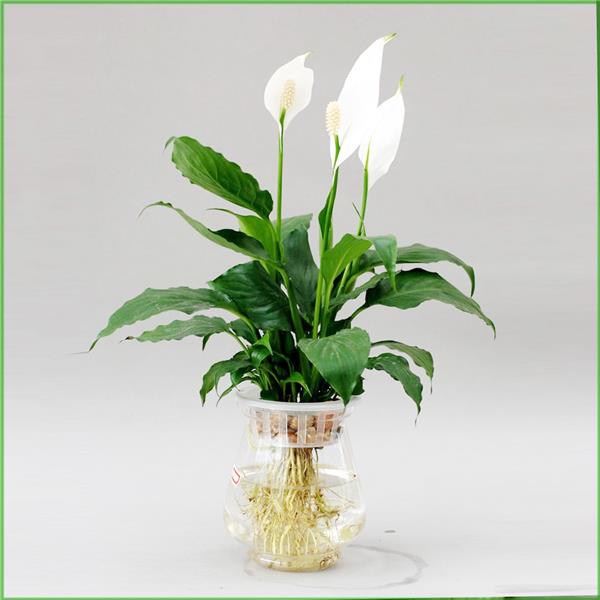
How to Grow a Peace Lily in Water.
Nowadays many plants are grown hydroponically, because hydroponics can save a lot of trouble and is also convenient to grow. So peace lilies can also be grown hydroponically, but the following key points should be noted when growing them in water:
1. Light: hydroponic plants mainly need scattered light and do not necessarily have to be exposed to the sun; in summer, direct sunlight should be avoided as much as possible. 2. Temperature: the growing temperature for hydroponic plants is 5°C-30°C. Within this range, hydroponic plants can all grow normally, and so can peace lilies.
3. Changing water: when growing hydroponic plants in summer, the water should be changed about once every 7 days; in winter, about once every 10-15 days.
4. Hydroponic plants can also develop dry, withered leaves, so in daily care, clean water should be sprayed on the leaf surface to keep it moist. It is best to spray foliar fertilizer once a week to ensure the peace lily continues to grow well.
Tips for Growing Peace Lilies.
1. Because of the peace lily's fast growth rate and relatively high fertilizer demand, liquid fertilizer must be applied once every 1-2 weeks during the growing season.
2. Keep the potting soil moist frequently. During high-temperature periods, water should also be sprayed on the leaves and ground to increase air humidity. If the surrounding environment is too dry, new leaves will become smaller and yellow, and in severe cases wither, yellow, and drop. In late autumn and winter, watering should be reduced, and it is enough to keep the potting soil slightly moist.
3. Peace lilies require semi-shade or scattered light conditions, and during the growing season they must be shaded at 60%-70%. If the light is too strong, the leaves are easily scorched and burned, the leaf color becomes dull, and it loses its luster; if the light is too dim for a long time, the plant grows weakly and does not bloom easily.
4. The peace lily is a heat-loving species; prolonged low temperatures and moisture easily cause root rot and yellowing and withering of the aboveground parts, so in winter attention should be paid to cold protection and warmth retention, while keeping the potting soil moist.
Feng Shui Role of the Peace Lily.
The peace lily has always been regarded as the purest flower. In feng shui, it is said to have the effect of calming the mind and soothing the emotions, and in the eyes of the elderly it is a sign of peace and harmony. Among the people, it also carries the meaning of "smooth sailing," and placing it in the home has a very good feng shui effect. Environmental role of the peace lily. As an ornamental flower, the peace lily actually has more than just its ornamental feature; it is actually an expert at absorbing ammonia, and in a new home it can also absorb formaldehyde, trichloroethylene, and others, absorbing harmful substances in all directions. Moreover, indoors its transpiration is very fast. If a pot is placed on an office desk, it can effectively reduce dryness of the nasal mucosa.
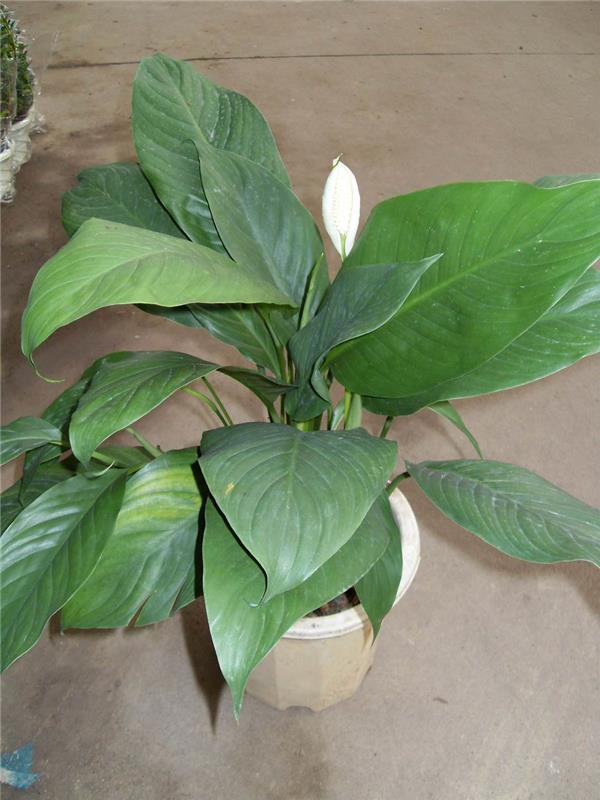
What to Do If Peace Lily Leaves Turn Yellow.
Yellowing of peace lilies is generally caused by the environment, especially when they are first planted. Therefore, it is recommended that a newly acquired peace lily first adapt to the environment, and that you not rush to repot it or water it, etc. Change things gradually; first get it growing normally, then make the change. Another cause is improper care. If too much water is given, waterlogging may form, and this causes leaf and root rot, etc., and very easily causes its leaves to turn yellow. There is also the case where too much fertilizer is added to a normally growing peace lily, leading to excess nutrients.
How to Grow a Peace Lily in Water.
Nowadays many plants are grown hydroponically, because hydroponics can save a lot of trouble and is also convenient to grow. So peace lilies can also be grown hydroponically, but the following key points should be noted when growing them in water:
1. Light: hydroponic plants mainly need scattered light and do not necessarily have to be exposed to the sun; in summer, direct sunlight should be avoided as much as possible. 2. Temperature: the growing temperature for hydroponic plants is 5°C-30°C. Within this range, hydroponic plants can all grow normally, and so can peace lilies.
3. Changing water: when growing hydroponic plants in summer, the water should be changed about once every 7 days; in winter, about once every 10-15 days.
4. Hydroponic plants can also develop dry, withered leaves, so in daily care, clean water should be sprayed on the leaf surface to keep it moist. It is best to spray foliar fertilizer once a week to ensure the peace lily continues to grow well.
Tips for Growing Peace Lilies.
1. Because of the peace lily's fast growth rate and relatively high fertilizer demand, liquid fertilizer must be applied once every 1-2 weeks during the growing season.
2. Keep the potting soil moist frequently. During high-temperature periods, water should also be sprayed on the leaves and ground to increase air humidity. If the surrounding environment is too dry, new leaves will become smaller and yellow, and in severe cases wither, yellow, and drop. In late autumn and winter, watering should be reduced, and it is enough to keep the potting soil slightly moist.
3. Peace lilies require semi-shade or scattered light conditions, and during the growing season they must be shaded at 60%-70%. If the light is too strong, the leaves are easily scorched and burned, the leaf color becomes dull, and it loses its luster; if the light is too dim for a long time, the plant grows weakly and does not bloom easily.
4. The peace lily is a heat-loving species; prolonged low temperatures and moisture easily cause root rot and yellowing and withering of the aboveground parts, so in winter attention should be paid to cold protection and warmth retention, while keeping the potting soil moist.
Feng Shui Role of the Peace Lily.
The peace lily has always been regarded as the purest flower. In feng shui, it is said to have the effect of calming the mind and soothing the emotions, and in the eyes of the elderly it is a sign of peace and harmony. Among the people, it also carries the meaning of "smooth sailing," and placing it in the home has a very good feng shui effect. Environmental role of the peace lily. As an ornamental flower, the peace lily actually has more than just its ornamental feature; it is actually an expert at absorbing ammonia, and in a new home it can also absorb formaldehyde, trichloroethylene, and others, absorbing harmful substances in all directions. Moreover, indoors its transpiration is very fast. If a pot is placed on an office desk, it can effectively reduce dryness of the nasal mucosa.
What to Do If Peace Lily Leaves Turn Yellow.
Yellowing of peace lilies is generally caused by the environment, especially when they are first planted. Therefore, it is recommended that a newly acquired peace lily first adapt to the environment, and that you not rush to repot it or water it, etc. Change things gradually; first get it growing normally, then make the change. Another cause is improper care. If too much water is given, waterlogging may form, and this causes leaf and root rot, etc., and very easily causes its leaves to turn yellow. There is also the case where too much fertilizer is added to a normally growing peace lily, leading to excess nutrients.