What are the cultivation methods for Alocasia amazonica?
Under warm, humid conditions with sufficient soil moisture, Alocasia amazonica will drip water downward from leaf tips or leaf edges; moreover, its flowers resemble Guanyin, and if the air humidity is too low, the water that emerges will immediately evaporate, so water droplets are generally more abundant in the morning, which is known as the "guttation" phenomenon. Let's take a look below at the cultivation methods for Alocasia amazonica.
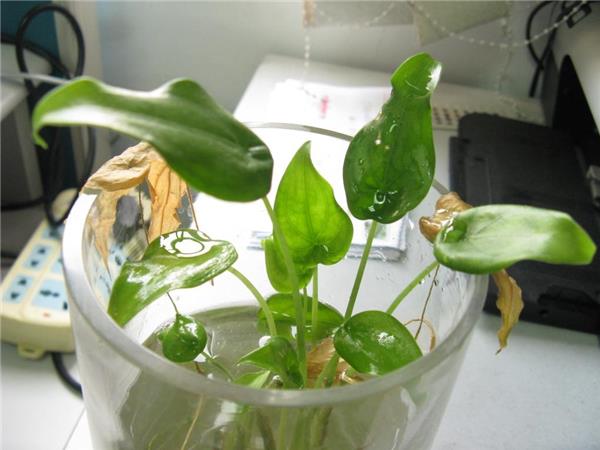
Cultivation methods for Alocasia amazonica:
1. Best propagation time: Division propagation of Alocasia amazonica is generally carried out in spring and summer when temperatures are relatively high.
2. Best growing soil: Alocasia amazonica prefers well-drained, fertile, slightly acidic soil. It can be cultivated with nutrient soil mixed from leaf mold, peat soil, river sand and a small amount of thoroughly composted cake fertilizer.
3. Growing humidity requirements: Alocasia amazonica is particularly fond of moisture; during the growing season it not only requires the potting soil to be moist, but also requires air humidity of no less than 60%.
4. Best growing temperature: The growing temperature for Alocasia amazonica is 20-30 degrees Celsius, and it can tolerate low temperatures down to 8 degrees Celsius. In summer when temperatures are high, as long as the soil is kept moist, water is sprayed frequently, and shade is provided, it can still grow normally. In winter, room temperature must not be lower than 5 degrees Celsius.
5. Best growing light: Alocasia amazonica is a shade-tolerant plant that likes a semi-shaded environment. It should be placed in an environment that is both shaded and ventilated, and must not be exposed to the scorching sun to avoid large areas of sunburn on the plant.
Precautions for cultivating Alocasia amazonica:
Fertilizer application:
(1) Alocasia amazonica is relatively fond of fertilizer. From March to October, liquid fertilizer should be applied as a top dressing once every half month, and the proportion of nitrogen can be appropriately increased. If a little ferrous sulfate can be added, so much the better, as the leaves will then grow as large as lotus leaves, glossy and beautiful. Fertilization should stop when the temperature is below 15 degrees Celsius.
(2) For cultivating Alocasia amazonica, generally apply 1-2 times per month, mainly nitrogen fertilizer, mixed with a thin liquid fertilizer of phosphorus and potassium fertilizers. Alocasia amazonica goes dormant in winter, so water less and stop fertilizing.
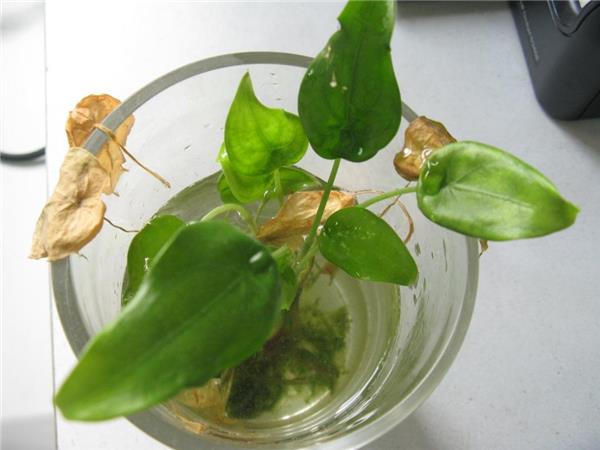
Key points for watering:
(1) In summer when temperatures are high, spraying water should be strengthened to create a relatively cool and humid environment for it. For those placed in indoor air-conditioned halls, it is necessary both to keep the potting soil moist and to spray the leaf surfaces with water from time to time.
(2) If the indoor temperature in winter cannot reach 15 degrees, watering should be controlled, otherwise it is easy to cause root rot in the plant. Under normal circumstances, spraying warm water once a week is enough to keep its leaves a deep green.
Pruning essentials: If you want the Alocasia amazonica you cultivate indoors to be small and exquisite, then simply wait until the seedlings of Alocasia amazonica have grown to about one chi and are suitable for placement in the home, then immediately spray the whole plant of Alocasia amazonica with a 2% paclobutrazol solution. After that, the stems and leaves that grow again will be no taller than 40 cm, and the leaves will be thick and fleshy, with very high ornamental value. Spraying the chemical once about every half a year can achieve a good height-control effect.
Repotting: Alocasia amazonica is usually repotted once every spring, and the time can be arranged for early spring or late autumn. The soil can be loosened once a month to keep the potting soil in a well-aerated state.
Propagation essentials: Division propagation is commonly used. Generally, in spring and summer each year when temperatures are relatively high, divide the underground tubers of plants whose tillers are growing densely along the separation points of the tubers, so that each part has 2-3 plants, and then pot them separately for planting. When dividing, damage the roots as little as possible. At the same time, after potting, it should be placed in a shaded and humid environment, the potting soil should be kept constantly moist, and attention should be paid to misting the leaf surfaces to help the new plants recover and grow. Alternatively, in spring before new buds shoot out, the underground tubers can be dug out and cut into sections for separation, and the wounds disinfected and preserved with plant ash or sulfur powder. After drying slightly, wrap them with sphagnum moss, or place them in loose, air-permeable and well-drained soil so that they grow adventitious roots and send out new buds. During this period, the substrate must absolutely not be too wet, so as to avoid tuber rot. This plant can also be propagated by sowing, but the seeds are not easy to obtain.
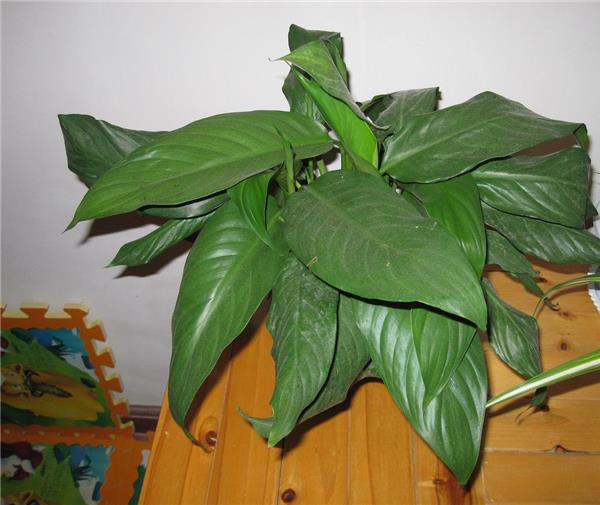
Disease and pest control:
1. Leaf spot disease. For leaf spot disease, spray the leaf surfaces with an 800-fold dilution of chlorothalonil or carbendazim, 2-3 times in succession, with 7 days between each application.
2. Anthracnose. For anthracnose, spray the leaf surfaces with a 500-fold dilution of 75% thiophanate-methyl, once every 7 days, 2-3 times in succession, and it can basically be controlled.
3. Fusarium wilt. You can use a small knife to cut out the diseased part. The boundary between the diseased part and the healthy part is very obvious, and generally it can be snapped off by hand. If the diseased part is less than one third of the stem, you can apply a layer of chlorothalonil solution to the healthy part and keep it dry, then apply it again after ten days, and after 20 days it can basically heal.
4. Red spider mite. Red spider mites generally live on the undersides of leaves. They not only suck the nutrients from the leaves, but also spread various viruses, seriously affecting the growth of the plant, so you must check frequently and treat immediately once discovered. Drugs such as mite-killing clear, saomangjing, and imidacloprid can be used for treatment.
Hydroponic cultivation of Alocasia amazonica:
1. Growing medium: white stones (about 5 mm in size), vermiculite, perlite.
2. Method:
(1) First wash the stones clean to remove impurities (the purpose is appearance).
(2) Mix vermiculite and perlite at a ratio of 2:1, soak 1 packet, and wash.
(3) First put small white stones into the bottle (to keep the bottle stable); the height should be determined according to the condition of the plant.
(4) Place the Alocasia amazonica in the middle of the bottle.
(5) Fill around the plant with the mixed vermiculite and perlite.
(6) After reaching a certain height, press gently with your hand.
(7) Pour water along the edges of the bottle with a watering can; the water level should not exceed the height of the medium.
(8) Do not add nutrient solution at first, and do not let the water cover the roots. When the temperature is high, change the water at most every 3-4 days to prevent water quality from deteriorating and causing root rot in the plant.
(9) After a few new roots appear, nutrient solution can be applied, and thereafter it should be added once about every half month.
3. If your plant can remain stable, you can also skip the medium, that is, plant it directly in water.
Insights on cultivating Alocasia amazonica:
1. Under warm, humid conditions with sufficient soil moisture, it will drip water downward from leaf tips or leaf edges; moreover, its flowers resemble Guanyin, so it is called dripping-water Guanyin. If the air humidity is too low, the water that emerges will immediately evaporate, so water droplets are generally more abundant in the morning, which is known as the "guttation" phenomenon.
2. Alocasia amazonica likes a warm, humid and slightly shaded environment, so during the growing season it is advisable to place Alocasia amazonica in a shaded spot on a balcony or in a courtyard. In summer, avoid direct sunlight, keep the potting soil moist frequently, and with frequent water spraying and shading it can still grow normally. During the flowering period, Alocasia amazonica needs sufficient sunlight, otherwise the spathe will be tinged with green, affecting quality.
3. Cultivating Alocasia amazonica must ensure 3-5 hours of light per day, otherwise the leaf stalks of Alocasia amazonica will elongate and affect its ornamental value.
4. Alocasia amazonica is not very cold-resistant, and in mid-October it should be moved into a greenhouse for cultivation. In summer, it needs to be kept shaded, with frequent water spraying to cool down and maintain moisture.
5. Alocasia amazonica likes moist, fertile soil, that is, what is commonly called "heavy fertilizer and heavy water", and during the growing period it should be watered more. But it must not be excessive; it is suitable to alternate between dry and wet, and there must be no standing water in the soil, otherwise the tubers of Alocasia amazonica will rot.
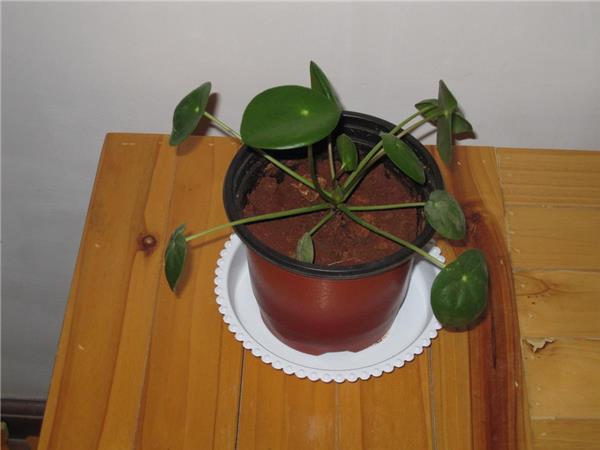
6. Alocasia amazonica is a very common green potted plant kept at home, but because it is a tropical plant, it generally will not bloom in the north. However, if the temperature and other conditions at home are suitable, it will also bloom.
7. Normal aging. Alocasia amazonica is a relatively easy plant to care for. If, even with proper care, the leaves at the lower part of the plant also turn yellow, then half of it is a normal aging problem of the leaves, and you only need to cut off the aged yellow leaves.
8. Improper watering. If Alocasia amazonica is watered too much, the roots cannot get oxygen and will become uncomfortable, but the symptoms mainly appear on the leaves, such as yellowing leaves. So watering should preferably be done by watering thoroughly after the soil has dried out. Do not let the potting soil stay wet all the time; it is better to be dry than too wet.
9. Insufficient humidity. Alocasia amazonica likes a warm and highly humid environment. It is advisable to keep indoor humidity between 70-85%, which is beneficial to the healthy growth of the plant. If the humidity is low, the leaves will show yellowing, scorched edges and wilting. Then, in summer when it is hot and dry, you should frequently spray the leaf surfaces to maintain sufficient ambient humidity, and also place Alocasia amazonica in a relatively ventilated and fresh place.
10. For planting Alocasia amazonica, you can choose nutrient soil mixed from leaf mold, peat soil and cake fertilizer for cultivation. Besides soil cultivation, Alocasia amazonica can also be grown in water. For hydroponically grown Alocasia amazonica, pay attention to preventing root rot and adding nutrient solution in time.
The height should be determined according to the condition of the plant.(4) Place the Alocasia amazonica in the middle of the bottle.
(5) Fill around the plant with the mixed vermiculite and perlite.
(6) After reaching a certain height, press gently with your hand.
(7) Pour water along the edges of the bottle with a watering can; the water level should not exceed the height of the medium.
(8) Do not add nutrient solution at first, and do not let the water cover the roots. When the temperature is high, change the water at most every 3-4 days to prevent water quality from deteriorating and causing root rot in the plant.
(9) After a few new roots appear, nutrient solution can be applied, and thereafter it should be added once about every half month.
3. If your plant can remain stable, you can also skip the medium, that is, plant it directly in water.
Insights on cultivating Alocasia amazonica:
1. Under warm, humid conditions with sufficient soil moisture, it will drip water downward from leaf tips or leaf edges; moreover, its flowers resemble Guanyin, so it is called dripping-water Guanyin. If the air humidity is too low, the water that emerges will immediately evaporate, so water droplets are generally more abundant in the morning, which is known as the "guttation" phenomenon.
2. Alocasia amazonica likes a warm, humid and slightly shaded environment, so during the growing season it is advisable to place Alocasia amazonica in a shaded spot on a balcony or in a courtyard. In summer, avoid direct sunlight, keep the potting soil moist frequently, and with frequent water spraying and shading it can still grow normally. During the flowering period, Alocasia amazonica needs sufficient sunlight, otherwise the spathe will be tinged with green, affecting quality.
3. Cultivating Alocasia amazonica must ensure 3-5 hours of light per day, otherwise the leaf stalks of Alocasia amazonica will elongate and affect its ornamental value.
4. Alocasia amazonica is not very cold-resistant, and in mid-October it should be moved into a greenhouse for cultivation. In summer, it needs to be kept shaded, with frequent water spraying to cool down and maintain moisture.
5. Alocasia amazonica likes moist, fertile soil, that is, what is commonly called "heavy fertilizer and heavy water", and during the growing period it should be watered more. But it must not be excessive; it is suitable to alternate between dry and wet, and there must be no standing water in the soil, otherwise the tubers of Alocasia amazonica will rot.
6. Alocasia amazonica is a very common green potted plant kept at home, but because it is a tropical plant, it generally will not bloom in the north. However, if the temperature and other conditions at home are suitable, it will also bloom.
7. Normal aging. Alocasia amazonica is a relatively easy plant to care for. If, even with proper care, the leaves at the lower part of the plant also turn yellow, then half of it is a normal aging problem of the leaves, and you only need to cut off the aged yellow leaves.
8. Improper watering. If Alocasia amazonica is watered too much, the roots cannot get oxygen and will become uncomfortable, but the symptoms mainly appear on the leaves, such as yellowing leaves. So watering should preferably be done by watering thoroughly after the soil has dried out. Do not let the potting soil stay wet all the time; it is better to be dry than too wet.
9. Insufficient humidity. Alocasia amazonica likes a warm and highly humid environment. It is advisable to keep indoor humidity between 70-85%, which is beneficial to the healthy growth of the plant. If the humidity is low, the leaves will show yellowing, scorched edges and wilting. Then, in summer when it is hot and dry, you should frequently spray the leaf surfaces to maintain sufficient ambient humidity, and also place Alocasia amazonica in a relatively ventilated and fresh place.
10. For planting Alocasia amazonica, you can choose nutrient soil mixed from leaf mold, peat soil and cake fertilizer for cultivation. Besides soil cultivation, Alocasia amazonica can also be grown in water. For hydroponically grown Alocasia amazonica, pay attention to preventing root rot and adding nutrient solution in time.