The Benefits and Effects of Schisandra, How to Consume It, and a Detailed Explanation of Its Side Effects
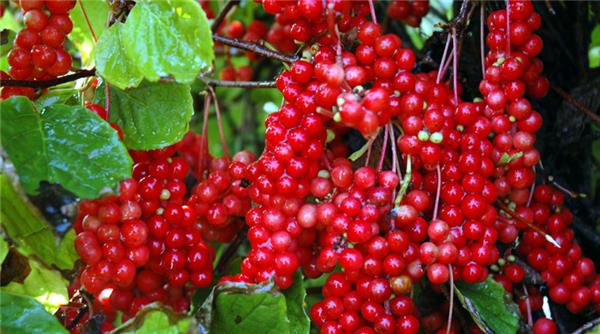
Schisandra is a very common and excellent medicinal herb in traditional Chinese medicine, and it is used quite widely in medicine. Modern research has also studied it and found that schisandra is very nutritious and can treat many diseases. So today let's take a look at the benefits and effects of schisandra, how to consume it, and what its side effects are.
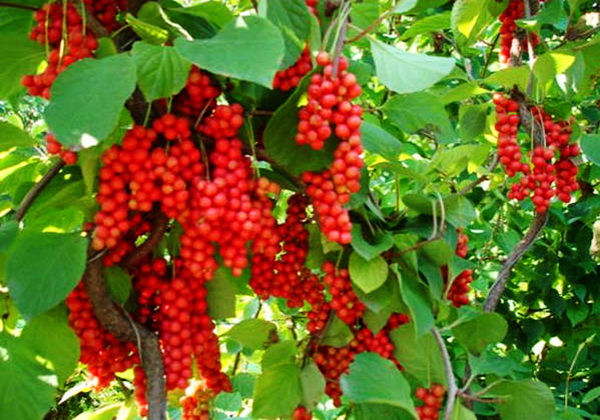
1. In clinical application, traditional Chinese medicine holds that schisandra is sour and warm in nature, and has good therapeutic effects on some common age-related conditions.
2. Schisandra has a certain effect in inhibiting the reproduction of bacteria and other pathogenic microorganisms, and it can also stop diarrhea.
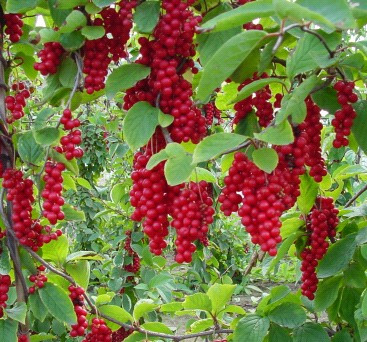
4. Schisandra is an excellent medicinal herb. Besides being eaten or used medicinally, it can also be made into perfume, lubricating oil, and rope.
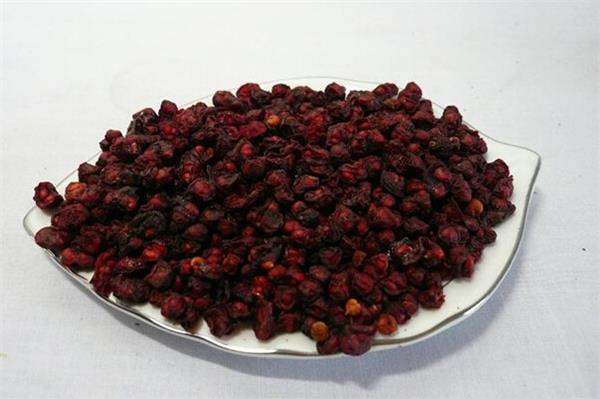
How to Consume Schisandra
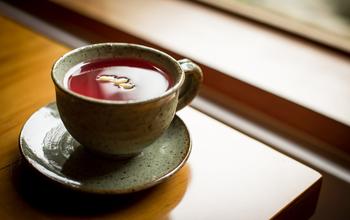
1. Schisandra tea: Take 5-10 grams of schisandra and an appropriate amount of rock sugar, brew with boiling water and drink as tea. It tastes sweet and sour, and is quite pleasant to drink. Drinking it regularly can also lower blood pressure, and it can also help prevent coronary heart disease and the like.2. Schisandra paste: Take 250 grams of schisandra, wash it clean, and decoct it to obtain a thick juice. It needs to be decocted twice, then combine the two thick juices and concentrate them to a thin fluid extract consistency. Add an appropriate amount of honey and heat until it becomes a viscous liquid. When consuming, take it twice a day, 2 tablespoons each time, swallowed with warm boiled water. Taking it this way can nourish the liver and benefit the kidneys, promote body fluid production, and astringe essence.
3. Schisandra porridge: Take 10 grams of schisandra and 2 liang of rice, wash both clean, put them together into a pot, add water, and simmer over gentle heat. Consuming schisandra this way has the effect of nourishing the liver and tonifying the kidneys. Rice itself has the effect of protecting the liver and stomach, and if eaten after drinking alcohol, it can effectively reduce the harm alcohol does to the liver.