How should roses be cared for so they last longer?
First, how to grow roses
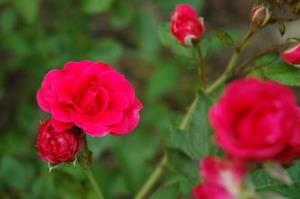
2. Light: They like sunlight. When light is insufficient, the plants grow thin and weak, bloom less, and have a faint fragrance. In midsummer, the strong sunlight around noon should be shaded.
3. Watering: They tolerate drought, but potted plants must keep the potting soil moist during the growth period to ensure normal growth and flowering; when too dry, they are not easy to bloom. They are not tolerant of waterlogging; if the potting soil is too wet or water accumulates, it easily causes root rot. Before and after flowering, the amount of watering should be controlled; when they lose their leaves and go dormant for the winter, their water demand is relatively low, so watering should be controlled even more, and the potting soil should not be allowed to become too wet. However, if strong cold air invades, water promptly to keep the potting soil moist, which can help keep them warm and prevent freezing.
4. Environmental humidity: In April to May, when buds are forming, spray water on the plants every evening to help the buds expand and open.

6. Pruning: Because flowers bloom on new branches that sprout in the current year, pruning should be done once before budding. In addition to thinning out old weak branches, dead branches, and overly dense branches, the remaining branches should also be heavily pruned. Each pot only needs to keep 3 to 4 branches, and each branch should be cut back heavily leaving 5 to 8 cm, to encourage it to sprout thick, strong new branches. During the growth period, apart from appropriate thinning when the plants are too luxuriant, generally no pruning is done. During the flowering period, spent flowers should be removed promptly, which can help later flowering. If they are not removed, they can bloom only 1 time a year; if the flowers are removed, the plants can bloom multiple times. Their sprouting ability is extremely strong, and the life of the roots can reach about 20 years, but old plants over 10 years old mostly do not bloom, so they need to be renewed once every 5 to 7 years.
7. Repotting: Repot once every spring. They like fertile, well-drained sandy loam, and can also grow in slightly alkaline soil. The growing medium can be prepared from materials such as garden soil, leaf mold, coarse sand, or perlite.

8. Common problems and their causes: Thin, slender branches, few flowers, and a weak fragrance are often caused by insufficient light.
① Insufficient light; ② The potting soil is too dry; ⑤ The potting soil is too poor; ④ No pruning, and spent flowers were not removed after flowering; ⑤ No repotting for a long time.
Diseased spots appearing on the leaves and then gradually withering and dying is due to rust.
9. Ornamental and health benefits: Roses are fragrant ornamental flowering plants. In gardens they are suitable as flower hedges, flower borders, and flower beds, and can also be potted to decorate windowsills, courtyards, and other places.
The scent of roses can kill Mycobacterium tuberculosis, pneumococci, staphylococci, and others; their fragrance can soothe the chest and invigorate blood circulation, can help prevent coronary heart disease, and can make an impatient mood become gentle and calm, making people feel refreshed and happy; they also have a certain ability to absorb sulfur dioxide in the air.

1. The temperature for keeping roses cannot be too low; just above zero at two or three degrees is fine, in a cool place, and do not expose them to the sun.
2. Prepare a bucket with clean water and put in the roses that were tied beforehand; it is best not to open them and let them stand, so the flowers do not open early. The water should cover the roots by 8 to 10 cm. Change the water once a day, and cut the stems once every two days (ordinary scissors are fine, cut diagonally), and remember to wear gloves, otherwise your hands will be covered with pricks, which is very painful. I tried it last year, and with this method they can be kept for 2 to 3 weeks with no problem.
3. Also, after a long time the petals easily develop black edges; cut them off or remove them with scissors (if there are enough petals). The leaves of roses and lilies turning black is because when they were bought, the flowers and leaves were exposed to wind or cold air. In the future, when buying flowers, remember not only to wrap the flowers but also to wrap the leaves, preferably with newspaper.
4. Putting some vitamin C in the vase can extend the life of cut flowers.

One, the hot water method. Dip the base of the flowers into boiling water for about 1 second, or soak them in hot water for two minutes, then take them out and put them into cold water. This can block the cut and prevent the sap from the flower tissues from flowing out. It is mostly used for herbaceous flowers.
Two, the tea method. Rootless fresh flowers placed in a vase easily wither. Generally, flowers in clean water have a vase life of only three or four days before gradually wilting. If relatively strong cooled tea is used instead of clean water, the withering time of the cut flowers can be delayed. When tea is used for cut flowers, the flowers will not wither within seven days.
Three, the beer method. Add a little beer to a vase holding fresh flowers, or put the flowers into a beer bottle with leftover foam, then add an appropriate amount of clean water, and you will find that the vase life of these fresh flowers is extended considerably. This is because beer contains ethanol, which can disinfect and preserve the cut, and also contains sugar and other nutrients, and can provide nutrients to the stems and leaves.
Four, the injection method. It is often used for aquatic flowers. The flower bases of aquatic flowers are very fragile, and once they leave their natural growing place, the flowers easily wither. At this time, a syringe can be used to inject water into the flower stems from the stem to maintain the life of the flowers.

Six, the burning method. After burning the ends of the flower branches over a candle flame, put them into alcohol and soak for one minute, then put them into clean water to rinse. It is often used for flowers whose stems exude milky sap, such as poinsettia, Chinese peony, chrysanthemum, and others.
Seven, the enlarged cut surface method. Cut the base of the flower branches diagonally or split them into two to four parts, and insert small stones to prop the slit open; or strike and split the base with a hammer to enlarge the water-absorbing surface. It is mainly used for woody flowers, such as magnolia, hydrangea, lilac, wisteria, rhododendron, and others.
In the future, when buying flowers, remember not only to wrap the flowers but also to wrap the leaves, preferably with newspaper.
4. Putting some vitamin C in the vase can extend the life of cut flowers.
One, the hot water method. Dip the base of the flowers into boiling water for about 1 second, or soak them in hot water for two minutes, then take them out and put them into cold water. This can block the cut and prevent the sap from the flower tissues from flowing out. It is mostly used for herbaceous flowers.
Two, the tea method. Rootless fresh flowers placed in a vase easily wither. Generally, flowers in clean water have a vase life of only three or four days before gradually wilting. If relatively strong cooled tea is used instead of clean water, the withering time of the cut flowers can be delayed. When tea is used for cut flowers, the flowers will not wither within seven days.
Three, the beer method. Add a little beer to a vase holding fresh flowers, or put the flowers into a beer bottle with leftover foam, then add an appropriate amount of clean water, and you will find that the vase life of these fresh flowers is extended considerably. This is because beer contains ethanol, which can disinfect and preserve the cut, and also contains sugar and other nutrients, and can provide nutrients to the stems and leaves.
Four, the injection method. It is often used for aquatic flowers. The flower bases of aquatic flowers are very fragile, and once they leave their natural growing place, the flowers easily wither. At this time, a syringe can be used to inject water into the flower stems from the stem to maintain the life of the flowers.
Six, the burning method. After burning the ends of the flower branches over a candle flame, put them into alcohol and soak for one minute, then put them into clean water to rinse. It is often used for flowers whose stems exude milky sap, such as poinsettia, Chinese peony, chrysanthemum, and others.
Seven, the enlarged cut surface method. Cut the base of the flower branches diagonally or split them into two to four parts, and insert small stones to prop the slit open; or strike and split the base with a hammer to enlarge the water-absorbing surface. It is mainly used for woody flowers, such as magnolia, hydrangea, lilac, wisteria, rhododendron, and others.