Is the Coral Cactus (Euphorbia neriifolia cristata) toxic? How to grow it at home and what to watch out for
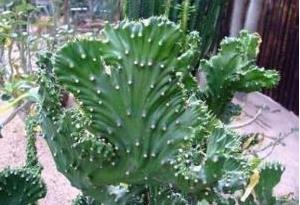
First, the Coral Cactus
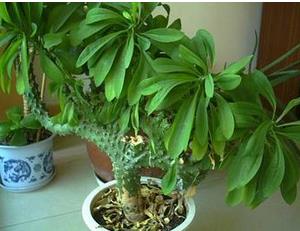
Second, how to grow the Coral Cactus and precautions
1. Light: The Coral Cactus loves light. After being brought out of the house in early May, first place it under a shade awning for 7 to 10 days, then move it to a sunny spot for care. Insufficient light easily causes the modified stems to grow leggy and become columnar stems. Especially during the growing season, make sure it gets plenty of light, and never leave it indoors for long periods just for display. Although it goes dormant in winter, the plant still carries out photosynthesis to maintain basic life activities, so it should also be placed in a sunny location; otherwise, the leaves will turn yellow and drop off.
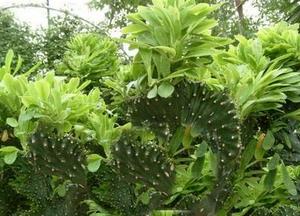
3. Fertilizer: The Coral Cactus does not much like fertilizer; the principle for feeding is to give less rather than more, and dilute rather than concentrated. The potting soil can be made by mixing leaf mold, coal cinder, and garden soil in equal thirds; when potting up, you can add a small amount of crushed solid fertilizer as a base dressing. During the growing season, apply a fully decomposed alum fertilizer water at about 15% strength once a month. Never use raw or concentrated fertilizer, or the roots may rot and the leaves may drop. Fertilizing can be stopped during winter dormancy, then gradually resumed to normal levels when growth begins the following spring.
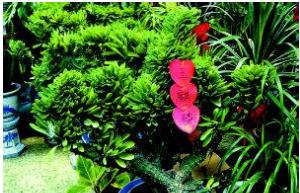
5. Cuttage propagation: The Coral Cactus is propagated by cuttings. In May-June, select robust modified stems, cut them off with a sharp knife, and let the milky sap at the wound dry; after two or three days, dip the cut end in plant ash and insert it into moist sandy river soil to a depth of 3 cm to 4 cm, press the soil firm with your hand, and do not water. After 2-3 days, mist it. Just keep the sandy loam slightly moist. Roots will form in about a month, after which it can be potted up.
Precautions: The Coral Cactus likes dry conditions, so never water it too much; in summer, it is enough for the soil to be slightly moist. The Coral Cactus is not cold-tolerant; in northern regions, it should be moved indoors or into a greenhouse before Frost's Descent in mid-October, and in winter when temperatures are low, keep the potting soil fairly dry. As long as the room temperature stays above 15°C, the leaves will not turn yellow; below 12°C, the leaves will dry up and drop. Repot once every 1-2 years. When repotting, remove the old soil and pick out any rotted roots. After repotting, keep the potting soil moist, leave it indoors for about ten days first, and then move it back outside.
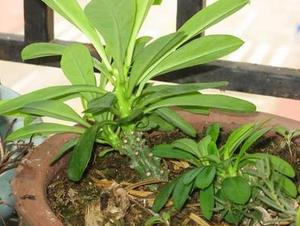
Note 2. Water: The Coral Cactus is fairly drought-tolerant, and the principle for routine watering is to err on the dry side rather than the wet side. When the potting soil is dry, hard and pale, and a clear ringing sound is heard when you tap the side of the pot, water it thoroughly. In winter, water even less than usual: in a room at 15°C to 18°C, watering thoroughly about once every 10 days is enough. Overwatering not only easily causes reversion but can also suffocate the roots and kill the plant.
Third, what to do if the Coral Cactus leaves turn yellow
First, temperature. The Coral Cactus is not cold-tolerant; generally, move it indoors before Frost's Descent in mid-October. Keep the room temperature above 15°C and the leaves will not turn yellow; below 12°C the leaves will dry up and drop off. If the room temperature stays above 6°C and the potting soil is fairly dry, the Coral Cactus will not be damaged by cold and will still put out new leaves the following year. Repot once every 1-2 years. The Coral Cactus is native to the tropics and likes a warm, humid environment with plenty of light. Summer and autumn are its peak growing period, so place it in a spot with partial shade and avoid strong direct sunlight all day. It is drought-tolerant, so water sparingly rather than heavily, about once every two or three days. During the growing season, you may apply a top dressing of dilute liquid fertilizer as appropriate.
Next, water. The Coral Cactus is fairly drought-tolerant, and the principle for routine watering is to err on the dry side rather than the wet side. When the potting soil is dry, hard and pale, and a clear ringing sound is heard when you tap the side of the pot, water it thoroughly. In winter, water even less than usual: in a room at 15°C to 18°C, watering thoroughly about once every 10 days is enough. Overwatering not only easily causes reversion but can also suffocate the roots and kill the plant.
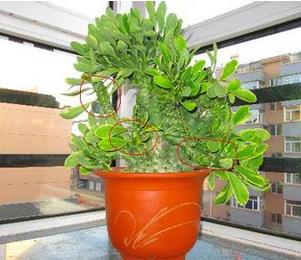
There are many online rumors about cancer-causing plants, various tales of toxic plants, and lists of anti-cancer plants. Gardeners should not be frightened by them, nor superstitiously believe in radiation protection or anti-cancer claims. First, the Coral Cactus: it is a common ornamental plant, and its milky white sap is toxic (this is common knowledge). In daily life, if you come into contact with the white sap of the Coral Cactus, wash it off promptly. Many gardeners currently keep Coral Cacti at home, and no one is known to have been poisoned by them. The Coral Cactus itself does not give off any cancer-causing odor, so gardeners can rest assured. Now that you know the sap of the Coral Cactus is somewhat toxic, simply be more careful in daily life, and if there are children at home, tell them not to cut or touch the Coral Cactus at will. In winter, water even less than usual: in a room at 15°C to 18°C, watering thoroughly about once every 10 days is enough. Overwatering not only easily causes reversion but can also suffocate the roots and kill the plant.
Third, what to do if the Coral Cactus leaves turn yellow
First, temperature. The Coral Cactus is not cold-tolerant; generally, move it indoors before Frost's Descent in mid-October. Keep the room temperature above 15°C and the leaves will not turn yellow; below 12°C the leaves will dry up and drop off. If the room temperature stays above 6°C and the potting soil is fairly dry, the Coral Cactus will not be damaged by cold and will still put out new leaves the following year. Repot once every 1-2 years. The Coral Cactus is native to the tropics and likes a warm, humid environment with plenty of light. Summer and autumn are its peak growing period, so place it in a spot with partial shade and avoid strong direct sunlight all day. It is drought-tolerant, so water sparingly rather than heavily, about once every two or three days. During the growing season, you may apply a top dressing of dilute liquid fertilizer as appropriate.
Next, water. The Coral Cactus is fairly drought-tolerant, and the principle for routine watering is to err on the dry side rather than the wet side. When the potting soil is dry, hard and pale, and a clear ringing sound is heard when you tap the side of the pot, water it thoroughly. In winter, water even less than usual: in a room at 15°C to 18°C, watering thoroughly about once every 10 days is enough. Overwatering not only easily causes reversion but can also suffocate the roots and kill the plant.
There are many online rumors about cancer-causing plants, various tales of toxic plants, and lists of anti-cancer plants. Gardeners should not be frightened by them, nor superstitiously believe in radiation protection or anti-cancer claims. First, the Coral Cactus: it is a common ornamental plant, and its milky white sap is toxic (this is common knowledge). In daily life, if you come into contact with the white sap of the Coral Cactus, wash it off promptly. Many gardeners currently keep Coral Cacti at home, and no one is known to have been poisoned by them. The Coral Cactus itself does not give off any cancer-causing odor, so gardeners can rest assured. Now that you know the sap of the Coral Cactus is somewhat toxic, simply be more careful in daily life, and if there are children at home, tell them not to cut or touch the Coral Cactus at will.