How to Care for Peperomia tetraphylla? Detailed Guide to Common Cultivation Problems
In people's daily lives today, all kinds of potted plants always appear, such as the recently popular Peperomia tetraphylla potted plant. Peperomia tetraphylla - just hearing this name makes one delighted. Indeed, it is a very exquisite succulent clumping herbaceous plant. When used as a potted plant, its ornamental value is extremely high, and it is deeply loved by consumers. So how do you care for Peperomia tetraphylla, and what problems arise when cultivating it? Below we will take a look at how to care for Peperomia tetraphylla.
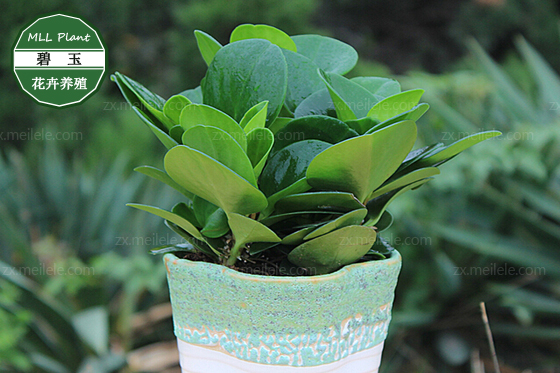
▲Introduction to Peperomia tetraphylla
Peperomia tetraphylla, scientific name Peperomia tetraphylla, is a plant commonly known in daily life as doubanlv or doubanruyi. It is a succulent clumping herbaceous plant of the genus Peperomia in the family Piperaceae. The stems of this plant are creeping and much branched, with stems about 10 to 30 cm long, and the lower nodes of the stems also produce roots. At the same time, the leaves of Peperomia tetraphylla are very dense, and the size of each leaf is very similar. The leaves are succulent and also have a few transparent glandular dots on them. When the leaves dry out, they appear pale yellow, and the leaves often have wrinkles, so they do not look especially beautiful. Peperomia tetraphylla has flowers, and the flowering period is from February to April and from September to December each year. The flowers are delicate and petite, very lovely.
▲How to Care for Peperomia tetraphylla
1. Suitable light and temperature
Peperomia tetraphylla is native to tropical and subtropical regions and is a plant that very much loves warm environments. Therefore, when cultivating Peperomia tetraphylla, the plant's light and temperature are very important factors. In terms of light, Peperomia tetraphylla mainly loves scattered light and does not like direct sunlight, so in summer cultivation it needs appropriate shading to avoid direct exposure. In terms of temperature, the suitable temperature for the growth of Peperomia tetraphylla is around 25°C. The plant has poor cold tolerance, and the lowest temperature cannot be lower than 10°C. But at the same time, the plant's heat tolerance is also not very good. Too high a temperature is also extremely unfavorable for plant growth, so indoor cultivation must strictly control the temperature.
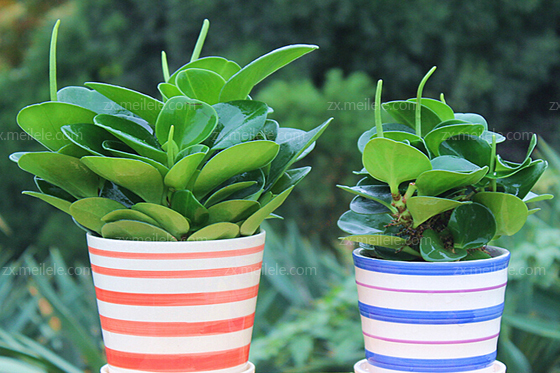
2. Appropriate watering and fertilizing
Peperomia tetraphylla is especially suitable for growing in warm and humid environments. In terms of watering, Peperomia tetraphylla relatively loves moisture, but daily watering cannot be excessive. Indeed, a humid environment is beneficial to plant growth, but too much water is also not good for the root growth of Peperomia tetraphylla, because daily watering should be based on keeping the soil moist as the standard. At the same time, in terms of fertilizing, fertilization must be based on the temperature at the time. When the indoor temperature is higher than 20°C, fertilization needs to be stopped; at other times, appropriate fertilization is sufficient. Fertilization is mainly based on nutrient solution, and the concentration of the nutrient solution cannot be too strong; it must be diluted. In addition, Peperomia tetraphylla loves loose, fertile, and well-drained moist soil.
▲Common Peperomia tetraphylla Cultivation Problems
As a common potted plant, Peperomia tetraphylla of course also has problems that many plants have, namely the two common problems of pruning and pest and disease control. In terms of pruning, as a potted plant, the shape of the plant is very important, so after the Peperomia tetraphylla plant takes shape, the excess branches and leggy branches on the plant need to be cut off or shortened to beautify the overall plant shape. In terms of pest and disease control, although Peperomia tetraphylla has relatively few pests and diseases, it still has some. The common ones are leaf spot and stem rot, and sometimes scale insects or slug damage also occurs. When this happens, timely control is needed so that the plant can recover its health as soon as possible.
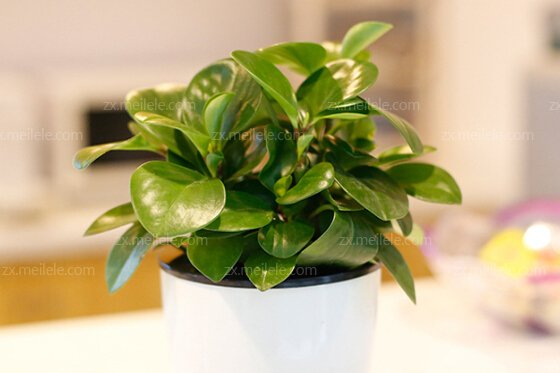
Conclusion: Peperomia tetraphylla is a very common succulent potted plant. Its leaves are succulent and evergreen, looking very green, and it is understood that this plant also has a certain air-purifying ability, so it is deeply loved and welcomed by people.
[You may be interested in]
☑ Carnation flower language ☑ Agave pictures ☑ Taxus wallichiana var. mairei ☑ Hydroponic hyacinth ☑ Wooden handicrafts
☑ Ink wash landscape painting ☑ Aquarium price ☑ Origin of paper-cutting ☑ Symptoms of stiff neck ☑ Areca palm pictures