How to grow potted lotus? Introduction to practical cultivation techniques
Introduction: Lotus leaves spread out lush and green, and we all know that in the hot summer season, the lotuses in ponds are especially lush and flourishing. Growing lotus in pots gives a feeling closer to everyday life. How do you grow potted lotus? Below, the editor introduces the techniques for growing potted lotus.
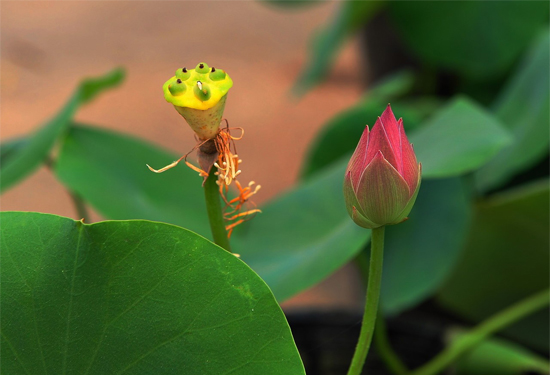
Lotus requires fertile clay loam rich in humus. Soil that is too heavy and sticky affects the elongation of the lotus rhizome and the swelling of the lotus root. Loose soil is prone to wind damage and hinders root development, and neither is good for lotus growth. The soil used is usually pond mud, but it can also be prepared by mixing 4 parts garden soil, 3 parts loess and 3 parts sandy soil, with soil at pH 6.5-7.5 being best.
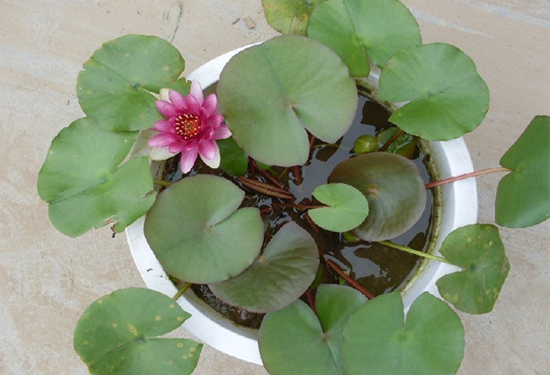
In the tank or pot for planting lotus, first place 3/5 pond silt, then add a small amount of water and stir into a thin mud consistency, then cut three sections as one plant, keeping the terminal bud, middle bud and tail bud intact and undamaged. Generally, it is suitable to plant two seed lotus roots per tank or pot. After planting, there is no need to add water to the pot or tank for 3-5 days; wait until the mud surface shows cracking before adding a small amount of water, so that the seed lotus roots are firmly secured in the mud and can sprout easily. As floating leaves appear, the temperature rises, and upright leaves grow, gradually add water to the tank or pot up to the rim.
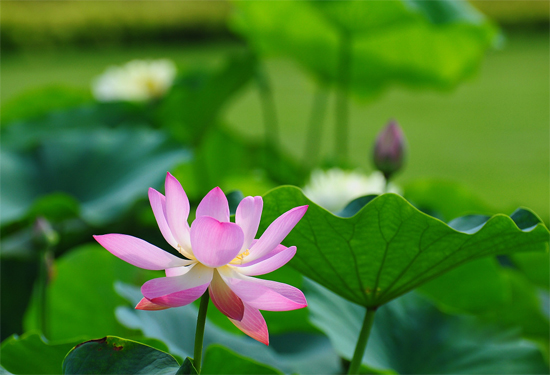
Lotus likes strong light, receiving 7-8 hours of light per day. This can make it produce many flower buds and bloom continuously, and it should not be cultivated in shade. When in bloom, indoor viewing should not exceed three days. Lotus is best displayed outdoors; when growing lotus in pots at home, it must be placed on a balcony or in a courtyard.
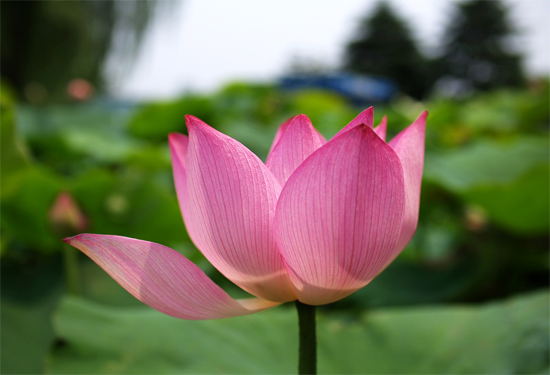
When cultivating lotus in pots or tanks, apply 200 g - 500 g of chicken manure as base fertilizer according to the size of the pot or tank. Lotus grown with this fertilizer produces more flowers, more vivid colors, and higher lotus seed yields than lotus grown with pig manure, cow manure or human excrement and urine as base fertilizer. That concludes the introduction to potted lotus cultivation techniques; I hope it will be useful to you.
Recommended reading: What is the flower language of lavender, 2012 jasmine cultivation methods, camellia cultivation methods