Carnation Cultivation Methods and Care Tips Introduction
Introduction: The carnation is what we traditionally call the mother's flower. It is currently one of the most widely used flowers in the world. Carnations include many varieties and hybrids, and in greenhouses they can bloom almost continuously. Since 1907, the pink carnation has been used as the symbol of Mother's Day, so today it is often given as a flower to mothers. So how do you grow carnations? Let's take a look together below.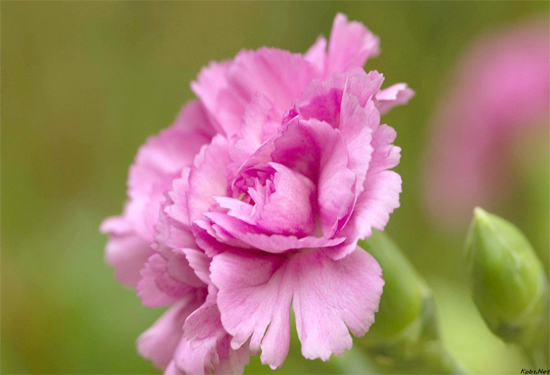
Propagation methods:
Seeding, layering and cuttings can all be used, but cuttings are the main method. Cuttings can be taken at any time except in the hot summer, and late January to early February gives the best results. For the cuttings, you can choose side shoots 7--10 cm long growing from the leaf axils in the middle of the branch. When taking cuttings, use the "bud-pulling method", that is, hold the side shoot and pull it downward along the main branch so that the base of the cutting has a node scar, which makes it easier to survive.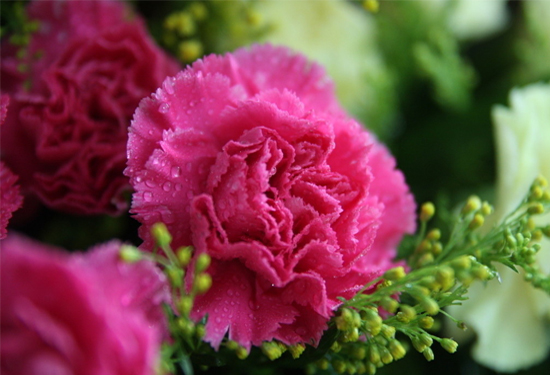
Cultivation tips:
Soil: Requires a clayey soil that is well drained, rich in humus, good at retaining fertilizer and slightly alkaline.
Watering: Carnations grow vigorously and are relatively drought tolerant. In rainy and overly wet areas, the soil easily becomes compacted, and the root system develops abnormally due to poor ventilation, so during the rainy season pay attention to loosening the soil and draining water. Apart from timely watering during the peak growing and flowering season, water less at ordinary times, just enough to keep the soil moist.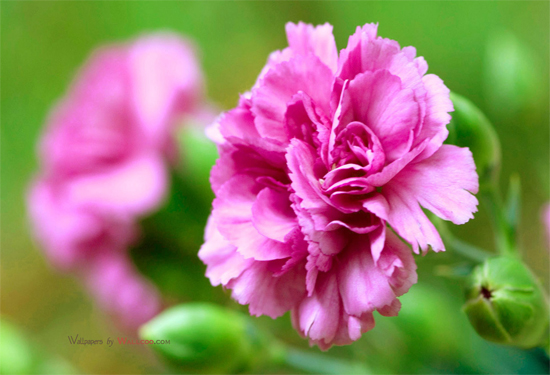
Fertilizing: Carnations like fertilizer. Before planting, apply a sufficient amount of baked fertilizer and bone meal. During the growing period, continue to apply liquid fertilizer, generally once every 10 days or so with decomposed dilute fertilizer water, and apply one topdressing after cutting flowers.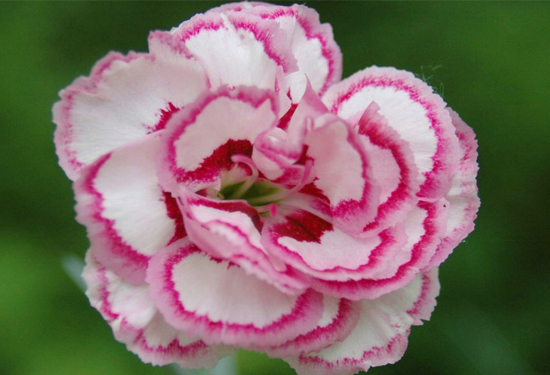
To encourage carnations to branch more and bloom more, repeated pinching should be started from the seedling stage: when the seedlings grow 8 to 9 pairs of leaves, carry out the first pinching, keeping 4--6 pairs of leaves; when the side shoots grow more than 4 pairs of leaves, carry out the second pinching, keeping 3--4 pairs of leaves per side shoot, and finally it is best for the whole plant to have 12--15 side shoots.
Recommended reading: Latest overview of narcissus cultivation methods, Camellia cultivation methods