Yellow Magnolia Cultivation Techniques Explained: An Analysis of Yellow Magnolia Planting Tips
Introduction: The fragrance of the yellow magnolia is fresh, elegant, and hazy, like first love - shy to approach, yet longing to get close. A single flower is like a graceful woman, slender yet not lacking in fullness. Many women wear it on their chest, releasing its fragrance with hidden spring feelings. Below, the editor will explain the cultivation techniques and planting tips for the yellow magnolia.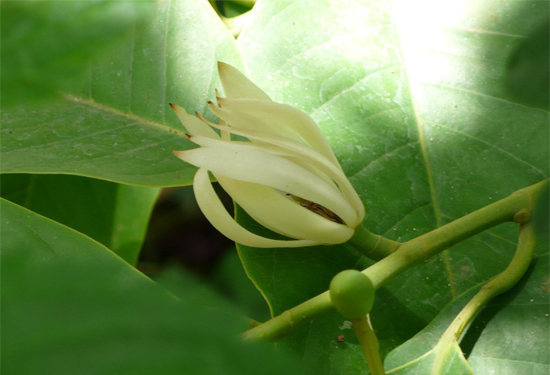
The white petals of the yellow magnolia are pointed and long, tinged with a heavy-textured pale yellow, and the sword-like petals tenderly wrap around the green calyx, appearing simple, elegant, and noble. The yellow magnolia has the scent of sunshine and a faint grassy fragrance, as clear and elegant as water, like a Jiangnan lady. The yellow magnolia has large leaves with rapid transpiration and high water consumption; in summer, if watering is slightly delayed, the leaf edges will scorch and wilt, and even the tender shoots may be burned. If watering is insufficient and the potting soil is too dry, the leaves will turn yellow and scorched at the edges. Water thoroughly to avoid surface watering that does not reach the roots.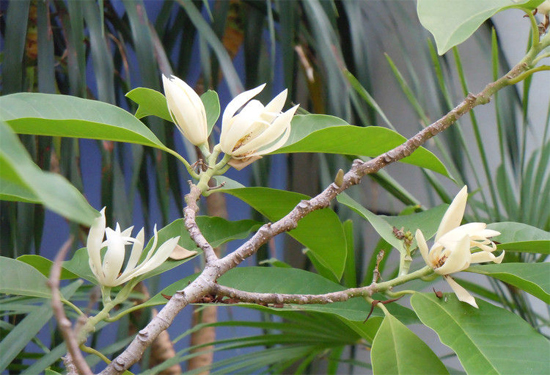
The yellow magnolia has fleshy roots, and either too much or too little water in the pot is unfavorable for root growth; it is especially afraid of waterlogging, which can easily cause the roots to turn black and rot. During the rainy season, tip the pot on its side and take care to prevent waterlogging. If yellow leaves or leaves turning red due to root rot are found, strictly restrict watering, and even wait until the leaves soften and droop before watering. The water used should be stored first to bring it to a temperature compatible with the air.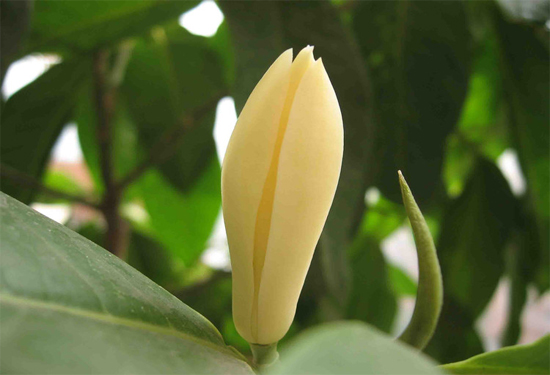
The yellow magnolia should be brought indoors before the Start of Winter, otherwise a single frost will damage the new shoots and tender leaves of the white magnolia. It can overwinter at room temperatures of around 15°C during the day and no lower than 5°C at night. If the leaves wrinkle and fall off, it indicates cold damage; if brown spots, dry tips, and leaf drop appear, it indicates the overwintering room temperature is too high.
Because it blooms many times, each blooming consumes a large amount of nutrients, so timely supplementation is necessary, otherwise flowering will inevitably be affected. It is advisable to apply decomposed human manure and urine and oil-cake water. In early spring, apply dilute liquid fertilizer, gradually increasing the concentration, and mix in an appropriate amount of ferrous sulfate. Do not fertilize when the soil is too dry or too wet. In summer, apply fertilizer in the afternoon, then water with clear water toward evening to dilute the fertilizer solution and dispel the heat around the roots to avoid burning them.
Recommended reading: How to Grow Wintersweet, Introduction to Potted Lotus Growing Tips, Jasmine Growing and Cultivation Tips