Plant Feng Shui Revealed: Which Plants Are Suitable for the Bedroom
For those who love life and love a touch of romance, growing a few flowers and plants in the bedroom is such a sentimental thing to do! But before you choose plants and sleep alongside them, have you really thought it through? Let's explore the plant Feng Shui you never knew: the plants you once slept with!
[Recommended Reading] What flowers should you give as gifts for Chinese New Year? Why do succulents turn red? Plant Feng Shui Knowledge: What Are the Feng Shui Plants for the Home?
Plant Feng Shui You Never Knew: The Plants You Once Slept With
——————————————————————————————————————————————

A Plant Harem - Can Your Bedroom Hold It?
——————————————————————————————————————————————
If your bedroom is small and not well ventilated, it's best to give up the idea of sleeping with plants. Like humans, plants respire every moment, taking in oxygen and releasing carbon dioxide. During the day when sunlight is abundant, they can still carry out photosynthesis, producing oxygen to offset their consumption; but at night, they can only compete with you for oxygen. Especially in winter, when the bedroom doors and windows are tightly closed, there may already be a slight oxygen shortage. Placing too many plants, especially broad-leaved plants with high oxygen consumption, could lead to endless nightmares.
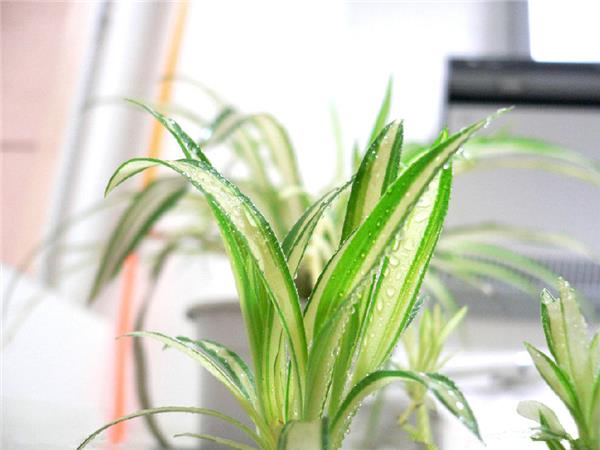
Spider plant (Chlorophytum comosum 'Vittatum') is one of the most common indoor cultivated plants. Its unique appearance, combined with its hanging placement, makes it look extremely beautiful.
Watch Out! Plant Scents May Be the Culprit
————————————————————————————————————————
Plants with strong floral scents or unusual odors are not suitable for long-term placement in the bedroom.
The habit of plants producing volatile gases is mainly to attract insects for pollination or to repel and kill pests, and is generally not aimed at humans. However, some gases can happen to cause serious harm to the human body, such as Datura, cannabis, and Datura metel. Their volatile gases alone can cause neurotoxicity; darnel, ragweed, etc. can cause rhinitis and shock; the volatile terpene ester compounds contained in plants of the Euphorbiaceae and Thymelaeaceae families can cause skin and mucous membrane irritation and poisoning.
In addition, there are similar experiences commonly recorded in gardening and horticultural literature, such as the various members of the Syringa genus: the scents released by night-blooming jasmine (Cestrum nocturnum), geranium (Pelargonium), and Lantana camara in enclosed spaces can easily cause too strong a stimulation to the sense of smell, potentially causing dizziness, chest tightness, and restlessness.

Geranium

Datura

Lantana
How to Choose Plants for the Bedroom?
—————————————————————————————————————————
If you have pollen allergies or asthma, just don't grow flowers in the bedroom. If you really want to, choose plants that don't flower or are not in their flowering season, and take them out of the bedroom every night - don't sleep with them.
There are other considerations for choosing plants in the bedroom. For example, to keep your mood calm, it's not advisable to place plants with overly bright colors. Also, from a safety perspective, try not to choose plants with thorns or needles like cacti. And if you grow spider plants, don't hang them above the bed, or in any other position where they might be bumped into or fall.
"Conclusion: Overall, apart from the basic points to note above, there are no special taboos about growing plants in the bedroom. Pick your favorite varieties, dig in the soil, and build your harem!
【