Which plants are the most effective at removing formaldehyde? These several have great air-purifying effects
As we all know, the gas we must breathe is oxygen, and oxygen comes from plants. Through their own cells, plants absorb gases harmful to our bodies and, using those harmful gases as raw materials in a series of chemical reactions, release oxygen for us to breathe. Research shows that two plants, spider plant (Chlorophytum comosum) and snake plant (Sansevieria trifasciata), can absorb more than 80% of various harmful gases indoors, and their ability to absorb formaldehyde is especially outstanding. Of course, the aloe we all know is also a formaldehyde nemesis; given sufficient sunlight, it can absorb 90% of the formaldehyde contained in 1 cubic meter of air. Below we introduce common formaldehyde-removing plants, the formaldehyde nemeses in our daily lives.
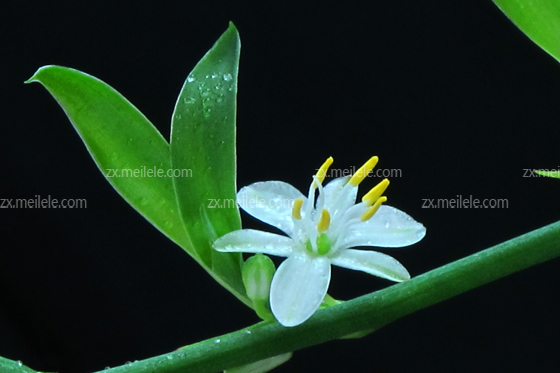
Indoor formaldehyde-removing plant - spider plant
Characteristics: The spider plant is easy to grow and highly adaptable to its environment, making it one of our most common household plants. It stays green all year round, with slender, soft leaf tips, and it produces small plantlets from the main plant that spread out naturally, giving it a very graceful form.
Effects: It can remove more than 80% of harmful gases indoors, and its ability to absorb formaldehyde is also extremely strong. Usually, growing 1 to 2 pots of spider plant will almost completely eliminate toxic gases from the air, so the spider plant also has the reputation of being a "green purifier."
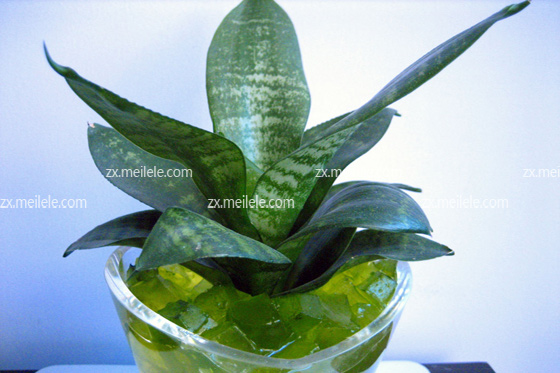
Indoor formaldehyde-removing plant - snake plant
Characteristics: The snake plant is drought-tolerant and likes a warm environment full of sunlight, but it is also shade-tolerant; remember not to water it too much. Its leaves grow upright like arrows, with yellow edges around the leaves, and the leaf surface shows horizontal banded markings in cream, pale yellow, and dark green. It is a relatively common indoor potted variety.
Effects: The snake plant is one of the better plants for removing harmful gases, and its effect in absorbing formaldehyde is also very powerful.
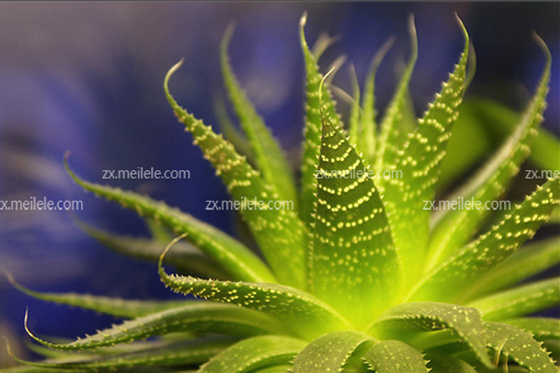
Indoor formaldehyde-removing plant - aloe
Characteristics: Aloe is a perennial evergreen succulent plant. Its stem nodes are relatively short, its leaves are thick and juicy, growing upright and long, and the leaf edges have short spines. It likes a warm, dry environment, is not cold-tolerant, and is not shade-tolerant either.
Effects: Aloe is not only a plant with good formaldehyde-removing effects, but aloe also has other uses, such as sterilizing and beauty benefits. We often apply its juice to places bitten by mosquitoes and insects, and after a while it both relieves pain and reduces swelling, with very good results. At present, some botanists have already developed many new potted aloe varieties that can be used to decorate homes.

Indoor formaldehyde-removing plant - agave
Characteristics: Agave is a perennial green plant. The plant is relatively tall and large, the leaves are gray-green, the leaf edges have spines, and the flowers are yellow-green. It likes a warm environment with ample light, and its drought tolerance is extremely strong.
Effects: Agave is not only a formaldehyde-absorbing plant; besides that, people can also use it to make liquor. The tequila prepared from it has remarkable effects and great fame.
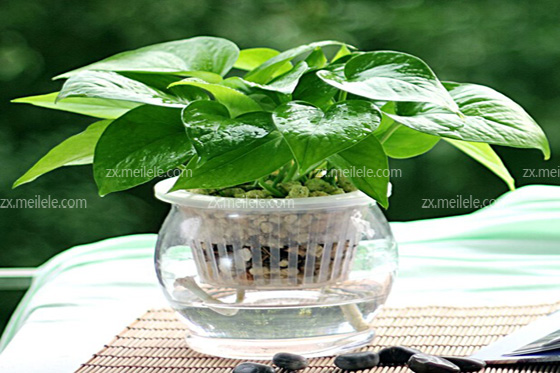
Indoor formaldehyde-removing plant - pothos
Characteristics: Pothos is an evergreen vine-shaped plant and belongs to the climbing vine foliage flowers. Pothos likes warm, humid environments. Its vines can reach several meters long, with aerial roots at the stem nodes. Its leaves grow larger and larger, and the leaf surface has yellow markings. The pothos stems are slender and soft, and the leaves are delicate and beautiful. It is an indoor decorative plant with excellent appearance.
Effects: Pothos is a very good formaldehyde-absorbing plant, and because of its beautiful appearance it has high ornamental value. Its trailing stems hang down naturally, so it can both purify the air and make full use of space, adding a bright touch of color to an otherwise monotonous environment.
Summary: Formaldehyde-removing plants can not only remove formaldehyde for us, but also remove other types of harmful gases and produce the oxygen indispensable to life. Formaldehyde-removing plants are the guardians that keep us from being harmed by harmful gases. If you understand this, then hurry up and take them home.
Recommended reading:
☑ Golden-edged snake plant ☑ Snake plant pictures ☑ How to grow Alocasia macrorrhizos ☑ How to grow sago palm ☑ How to grow a bonsai ficus
☑ How to grow asparagus fern ☑ Radiation-proof plants ☑ What hydroponic plants are there ☑ Cyclamen leaves turning yellow ☑ How to grow aquatic plants
If you understand this, then hurry up and take them home.Recommended reading:
☑ Golden-edged snake plant ☑ Snake plant pictures ☑ How to grow Alocasia macrorrhizos ☑ How to grow sago palm ☑ How to grow a bonsai ficus
☑ How to grow asparagus fern ☑ Radiation-proof plants ☑ What hydroponic plants are there ☑ Cyclamen leaves turning yellow ☑ How to grow aquatic plants