Indoor Plants for Wellness: A Guide in Pictures
Indoor plants can bring many benefits to humans; this concept has already become common knowledge in everyone's minds. Indoor plants bring a crisp freshness to life, create a personalized environment for work, and the many varied forms of plants can also bring us different moods, creating a vibrant atmosphere, granting you your best mental outlook, and serving as the best tool for relieving work stress.

So, specifically, what exactly are the effects of these plants, and how should we make use of the various benefits that indoor plants bring? How should plants be placed indoors for the best health? Now, the editor has summarized the topics everyone cares about most. Come take a look! We hope the gorgeous and varied plants will enter your life soon!
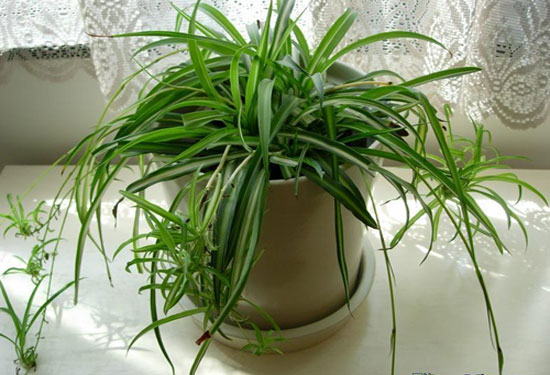
What benefits do indoor plants have for humans?
Plants can regulate the climate, affect indoor humidity, and improve air quality. They absorb carbon dioxide and some other harmful substances and release oxygen. At the same time, they also absorb dust and effectively lower indoor temperatures. For example, when the outdoor temperature reaches as high as 26°C, the indoor temperature of a house with many plants is generally 21-22°C.

Generally speaking, indoor relative humidity should not be lower than 30%, otherwise it is bad for health, but in winter, if the indoor air is not additionally humidified, this is often impossible to achieve. Air humidity that is too low will dry out the mucus in the upper respiratory tract, leading to chronic mucosal inflammation, and will also dry out the skin, causing a dry sensation in the nose and throat. This not only makes people feel uncomfortable, but may also lead to a decline in immunity against bacteria and viruses. The result is that we become more susceptible to infection by cold viruses. By growing plants indoors that have high water requirements, such as ferns, bananas, African hemp, and so on, indoor humidity will increase in a natural way. However, it should be pointed out that one must guard against going too far, and indoor air humidity should not exceed 60% to 65%, because once it is higher than this humidity level, it may lead to mold indoors. The higher the indoor carbon dioxide concentration, the more fatigued people feel. Research shows that the larger the green leaf area of indoor plants, the more oxygen they release. For example, bananas and other large-leaf green plants are often one step ahead of other plants when dealing with some indoor pollution. The dust content in dry air is greater than in moist air, because dust particles are always lighter when there is no moisture. At the same time, static electricity will also attract those dust particles floating in the air.
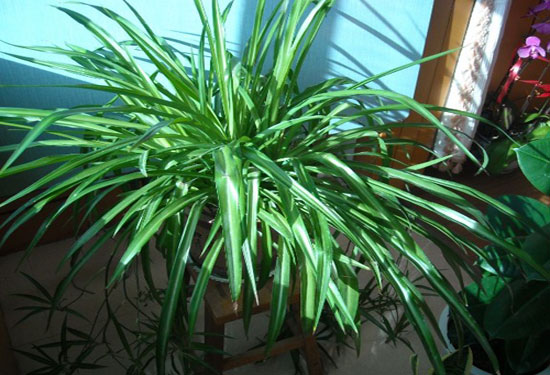
The leaves of plants absorb harmful substances and filter them. For example, research has now proven that plants can effectively break down formaldehyde. After harmful substances enter the soil, the roots of the plants absorb the harmful substances, and the plants and microorganisms in the soil will store and process the harmful substances. In this way, the harmful substances will become nutrients. The rate at which plants process harmful substances is only 1% of the rate at which microorganisms process them, so it can be seen that the detoxifying ability of plants is relatively low. Therefore, to better purify indoor air, many plants must be placed indoors.
Practice has already proven that plants can purify indoor air and let us live better. More importantly, they also have a positive psychological effect on us.
Editor's recommendation: Introduction to indoor cultivation and planting techniques for gardenia. About cactus for radiation protection, cactus radiation protection