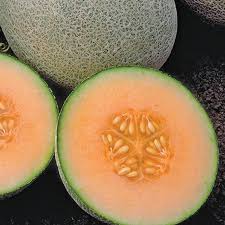
Ambrosia Muskmelon Variety Introduction, Nutritional Value and Uses
The Ambrosia melon is a small melon, similar to a small cantaloupe. Its exterior is covered with a sandy skin and coarse netting, which becomes increasingly pronounced as the melon reaches peak ripeness. The skin of the Ambrosia melon is thin, enclosing light orange flesh and a petite seed cavity. This melon has a sweeter flavor than ordinary cantaloupes, with a slight floral nuance and a juicier consistency. When ripe, the Ambrosia melon will have a melon aroma, and the blossom end will be slightly soft. The Ambrosia melon is best eaten within a few days of harvest.
Seasons/Availability
Ambrosia melons are available in summer.
Current Facts
The Ambrosia melon, botanically known as Cucumis melo 'Ambrosia', is a member of the Cucurbitaceae family. The Ambrosia melon is a type of melon, a hybrid variety prized for its compact size and extremely sweet, tender flesh. In the United States, muskmelons are also commonly called cantaloupes, although technically no true cantaloupes are grown in the United States.
Nutritional Value
Like other melon varieties, the Ambrosia melon is an excellent source of β-carotene, folate, potassium, vitamin C and dietary fiber.
Applications
The high sugar content and sweet flavor of the sweet dew melon make it ideal for fresh eating. Puree it and use it to make beverages, syrups, sauces, soups and dessert fillings. Slice the flesh thinly or add it to salads, or serve it directly in the halved melon shell. Slice and use it in desserts or sweet breakfast preparations. Its classic sweet watermelon-like flavor pairs well with aged salty meats such as prosciutto and salami, berries, basil, mint, arugula, red onion, lime, cucumber, sweet cream and nutty cheeses such as feta and Parmesan. Ambrosia melons can be kept at room temperature until cut, then stored refrigerated for three days.
Geography/History
Muskmelons are divided into eastern and western varieties. Eastern varieties such as Ambrosia can be identified by their sutures or grooves, which run along the length of the melon. Eastern varieties are also known for their sweet, delicate flesh, making them less suitable for long-distance transport. Western melons, which lack sutures, have less sweetness and a firmer texture, making them better suited to commercial production and sale. The Ambrosia melon will be a prolific producer as long as it has ample sunlight exposure and moist, well-drained soil. The leaves of the melon are responsible for producing the sugar in the melon fruit. Because the Ambrosia melon is resistant to a common leaf disease (namely powdery mildew), it has a record as a very sweet melon variety. Ambrosia melons will “slip” or “half-slip” (release naturally) from the stem within one or two days of ripening. These melons should be vine-ripened, as their sugar content increases until they release from the vine.