What are the basic things to know about potted vegetables?
Vegetables are generally grown in a vegetable garden. Today our vegetables can be grown in greenhouses, and now they can also be grown in pots. Potted vegetables stand out - a new concept. They are not only for us to eat, but even better, they have ornamental value. Potted vegetables can be given to friends, and one pot of potted vegetables can bring the flavor of the countryside.
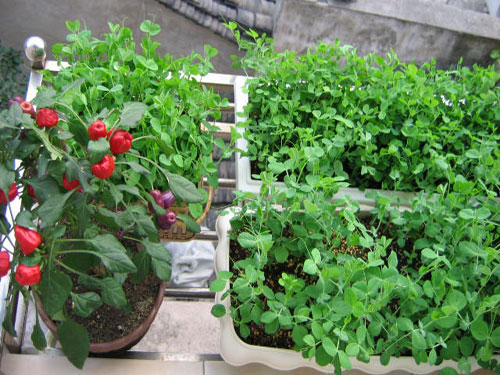
Conditions required for potted vegetables
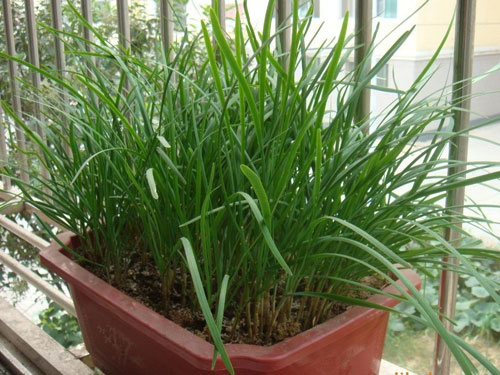
Before potting vegetables, you should first identify your goal - what vegetables to plant - and next choose a suitable flower pot, such as a plastic flower pot, a clay tile pot or a wooden pot. For particularly valuable varieties, you can also choose a purple clay pot or a colored-glaze ceramic pot. When buying a clay tile pot, a plastic pot is usually included for free. For growing Chinese chives, use a foam box. When choosing the growing medium, fertilizer and pesticides, you should follow some principles:
1. The growing medium must be clean and disinfected, with comprehensive nutrition and no pests or diseases. When choosing the growing medium, look for peat, spent mushroom waste and clean river sand, etc.
2. When potting vegetables, it is best not to use chemical fertilizers. Organic ones are best, such as sesame residue, peanut cake, etc. You can also compost them with fermentation bacteria, and you can also use organic fertilizer made from cow dung.
3. Certain microorganisms can be used, such as rhizobia with nitrogen-fixing and phosphate-solubilizing functions, photosynthetic bacteria and phosphate-solubilizing bacteria. Through the activity of these beneficial bacteria, the full use of nutrients by vegetables is promoted. Chemical pesticides are not allowed, but plant-based and mineral-based biological pesticides are allowed to control pests and diseases.
Varieties suitable for potting
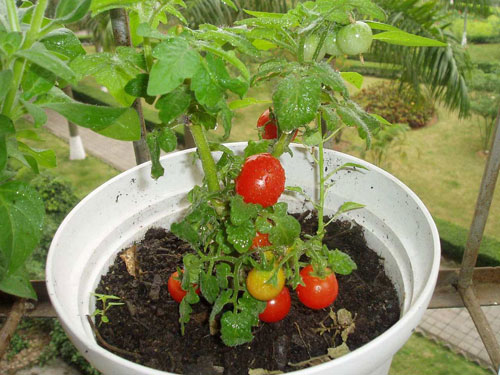
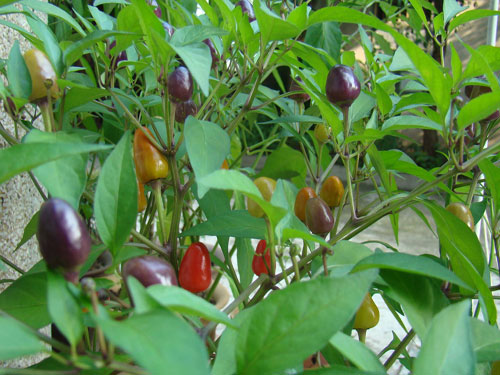
Vegetables suitable for potting are mainly colored sweet peppers, dwarf tomatoes, firm-fruited tomatoes, ornamental eggplants, small peppers, mini watermelons, and various pumpkins, melons, gourds, etc. Leafy health vegetables: lettuce, parsley, Anredera cordifolia, Kochia scoparia, mizuna, Lysimachia clethroides, kale, basil, leaf-used goji, Chinese chives and vegetable jute, etc. Root and stem vegetables: fennel, cherry radish, fruit kohlrabi, turnip, mini radish and carrot, etc.
Editor's recommendations: Features of fireproof board kitchen cabinet doors and kitchen cabinet door decals. How to grow spider plants? How to cultivate variegated spider plants