Are anti-radiation plants science or a gimmick?
Searching for the words "anti-radiation plants" on a search engine returns more than four million page links, which shows the strong demand in modern society for protection against radiation. And plants, as children of green nature and the opposite of technological civilization, transforming into the role of carrying the burden of radiation protection and resistance, is understandable. But understanding does not mean truth. Can those anti-radiation principles of plants, dissected so thoroughly, really be believed so easily?
[Recommended reading] Ferns: What kinds of ferns can be grown at home? How to grow aloe, aloe pictures How to grow jasmine
Science or gimmick? Those so-called anti-radiation plants
——————————————————————————————————————————————
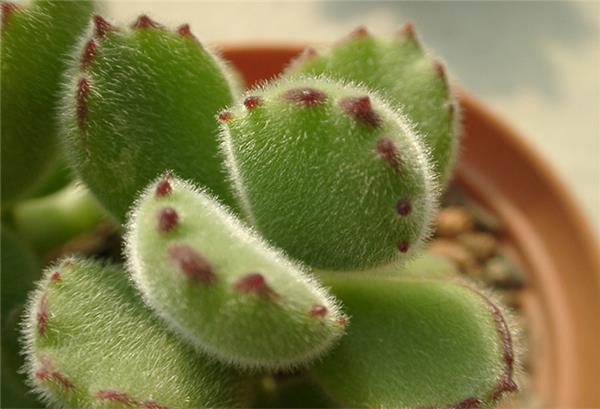
The anti-radiation plants that are generally wildly circulated online mainly fall into the following categories of plants:
The first is plants native to dry, hot tropical regions with strong ultraviolet radiation, such as cacti, ball cacti, aloe, and a whole range of succulent plant types. The anti-radiation function mechanism attributed to them is inseparable from the fact that they resist ultraviolet radiation;
The second is common indoor foliage plants with relatively strong air-purifying functions, such as spider plants, pothos, and golden pothos. The reason is probably that their air-purifying effect quietly swapped in the concept of anti-radiation, and then there is also the fact that their sensitivity to radiation leads to signs such as yellowing leaves, which plays a warning role.
In fact, according to existing relevant scientific research and literature, no plant has ever been clearly mentioned as having an anti-radiation effect. Ultraviolet radiation and electronic radiation cannot be analogized, and the claim that the stronger the radiation, the better they grow is even more absurd. Seen this way, the many products sold on the market under the label of anti-radiation plants are nothing but gimmicks created by merchants. The only ones who truly benefit are them, while urban white-collar workers still bathe in various kinds of electronic radiation every day.
However, after our hopes for anti-radiation plants are dashed, we are not left with nothing. There are still many other effective ways to reduce the impact of radiation on our bodies. For example, washing your face often, increasing air humidity, drinking more green tea, and eating more fruits and vegetables can meet the diverse needs of different groups of people. How does that saying go? There is always one that suits you!
Although anti-radiation plants have temporarily been disproven, the plants themselves are not at fault. Their elegant, cute, gorgeous, or plain postures can still be a reason for people to place them on desktops and tables. Let us enjoy the splendid appearance of these "anti-radiation plants" together!
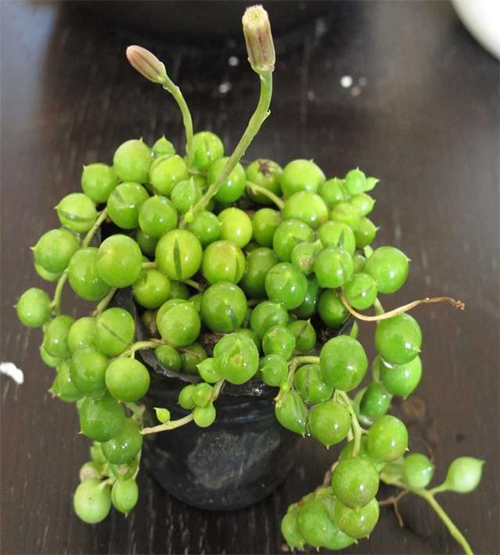
Succulent plants String of Pearls, round string of beads, lover's tears
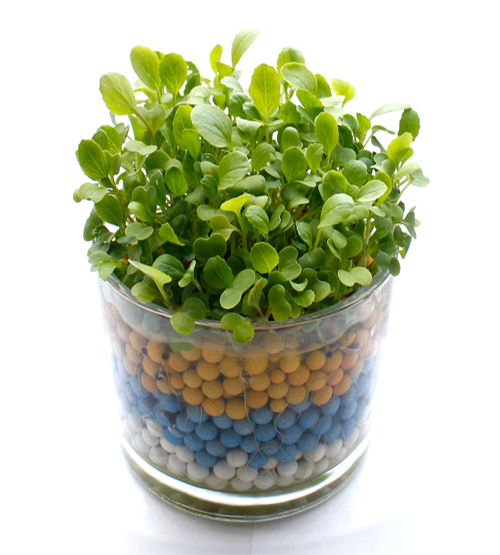
Negative ion potted plants creative green plants
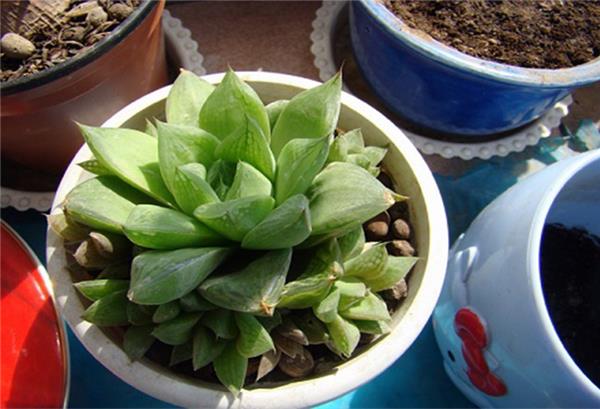
Cactus and succulent plants [Haworthia cooperi]
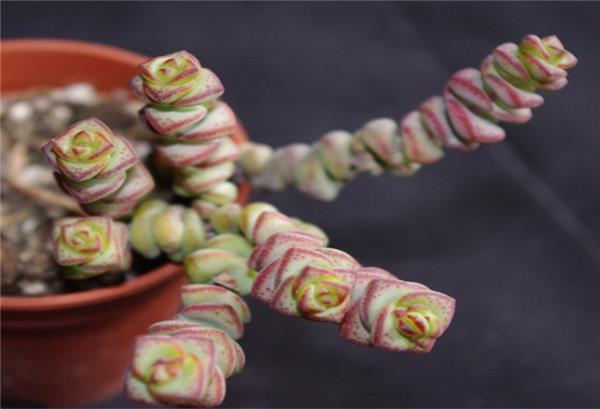
Succulent plants Star Prince
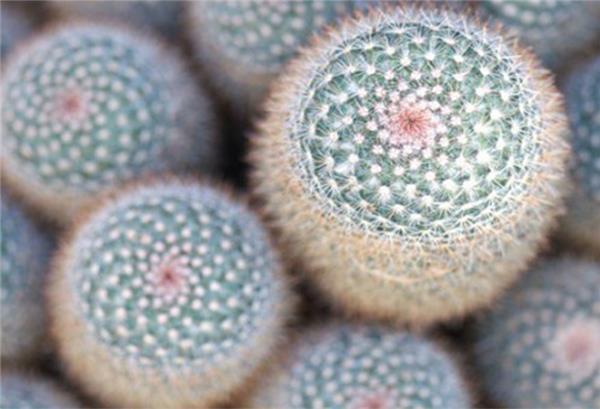
Cactus
"Postscript: From the moment the concept of anti-radiation plants was born, it lost the rigor and objectivity of science, yet it has still been popular for so many years. The reason, in the end, is nothing more than modern urban people's fear of the byproducts of technology, and their yearning for and dependence on beautiful nature. People are born from nature, and after death participate in the material cycle. Today, when silicon-based life has not yet appeared, let us devote ourselves more to nature and feel every division of our carbon-based life cells!
[Today, when silicon-based life has not yet appeared, let us devote ourselves more to nature and feel every division of our carbon-based life cells!
【