Do Cactus Ball Plants Bloom? Let's Learn About the Flower Language of the Cactus Ball
Do cactus ball plants bloom? Many friends don't know, because their cactus balls died before they ever bloomed. Here, Xiaobainian tells everyone that, according to scientific research and field investigations, cactus ball plants do bloom, and the flowers are very beautiful, in both white and pink. Next, let's share some knowledge about the flower language of the cactus ball.
Editor's picks: What are the effects and benefits of globe amaranth? What is good to grow as indoor flowers? What are the effects and benefits of lavender respectively?
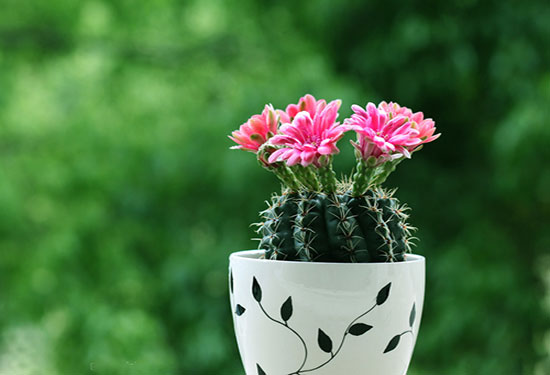
One of the flower languages of the cactus ball: A heart that is tough outside but soft inside
The cactus ball looks very sharp and harsh on the outside, always arming itself with sharp spines to avoid being intruded upon by outside animals. So the cactus ball indeed looks cold and ruthless enough, yet little do people know that it is actually very soft inside. Once you cut through the spiny skin of the cactus ball, you can see that tender flesh, which can be eaten and also has medicinal effects. A gentle heart is always buried beneath a hard exterior.
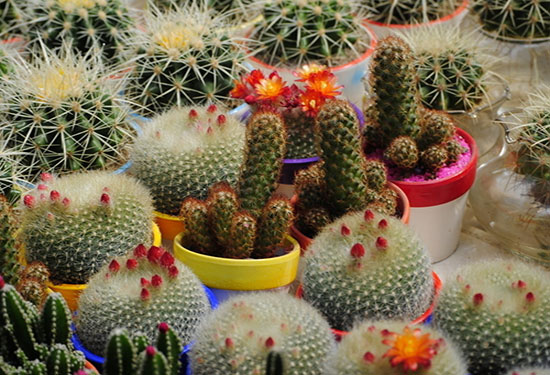
The second flower language of the cactus ball: Carry love through to the very end
The cactus ball once grew in desolate desert and gobi beaches, just like a love situation that is not favored by others, surrounded by coldness and even disgust and abandonment. But no matter how harsh the surrounding environment is, two loving hearts that love each other will always nestle together. The determination to face difficulties together ultimately wins the chance to be together, and the cactus ball's flower language of carrying love through to the very end exactly reflects this determination.
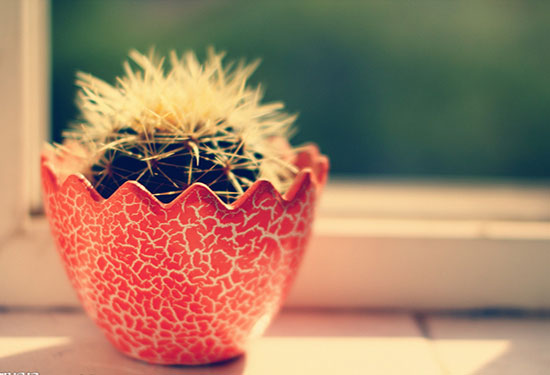
The third flower language of the cactus ball: Tenacity + strength
Everyone can see the tenacious vitality of the cactus ball. Even in the desert, it can live well. In our eyes, it is a strong plant, and strength is also one of the most widely spread flower languages of the cactus ball, as well as the most important flower language of the cactus ball.