What are the uses of cactus, and can it protect against radiation?
A long time ago, people began saying that cactus protects against radiation. Office workers in particular like to place a large cactus plant next to their computers. So does cactus really protect against radiation? Let's take a look at some relevant knowledge about cactus.
Editor's picks: How to grow cleome How to improve the germination rate of lavender? When is the flowering season of wintersweet?
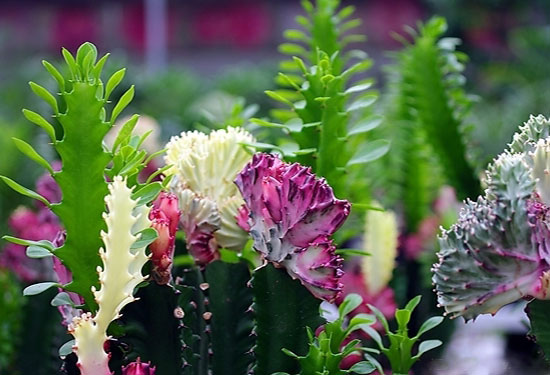
>>Click the image to learn more related content
The stomata on the fleshy stems of cactus close during the day and open at night, so at night they absorb carbon dioxide and release oxygen. This gives them the function of increasing fresh air and negative ions, and reducing electromagnetic radiation. In addition, they also have a good inhibitory effect on bacteria in the air. But in reality, cactus does not have the function of protecting against radiation, though it is still beneficial to people.
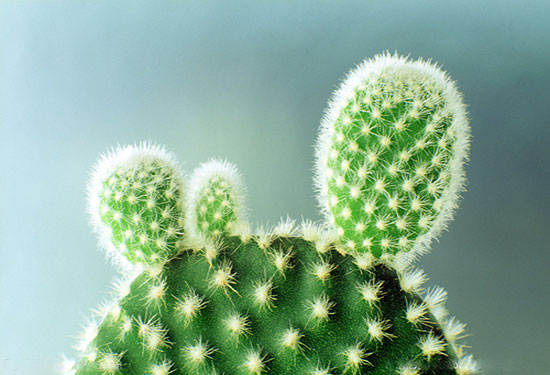
>>Click the image to learn more related content
Cactus can live in deserts and withstand intense sunlight and the damaging power of ultraviolet rays. But the "radiation energy" of sunlight is different from the radiation rays of electronic products. Radiation rays are a kind of energy wave, so the two types of radiation are very different. Although cactus cannot protect against radiation, it can "block" part of it, and cactus has a stronger ability to absorb radiation rays than other plants. Therefore, placing a pot of cactus next to a computer to absorb radiation and reduce harm to the body is entirely an inference, with no scientific basis.
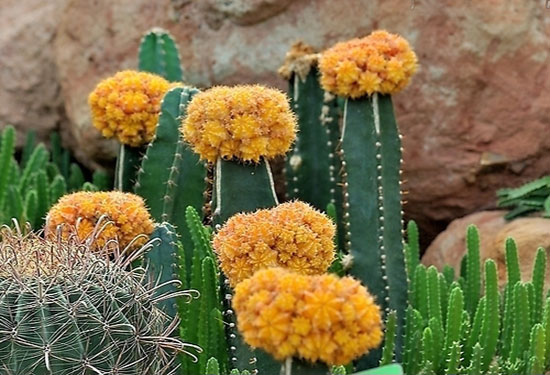
>>Click the image to learn more related content
Besides blocking radiation, what other uses does cactus have:
1. The night-time "oxygen bar" cactus
Cactus generally begins respiration when it is cool at night. It opens the stomata on its leaves, absorbs carbon dioxide, and then releases oxygen. For a room, this is like adding an air freshener, and it can purify indoor air, so it is an ideal indoor flower.

>>Click the image to learn more related content
2. A master at absorbing dust
The small cactus plant, though inconspicuous, is also quite good at absorbing dust. Placing a cactus indoors can play a role in purifying the environment. Generally, hydroponic cactus is environmentally friendly and clean, and the effect is even better.
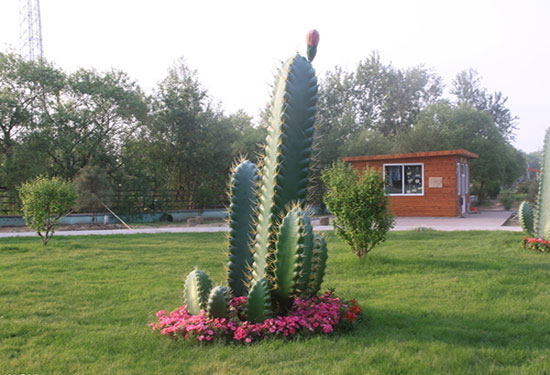
>>Click the image to learn more related content
3. Edible cactus has many benefits
There are many kinds of cactus. Edible cactus is very nutritious, containing large amounts of vitamins and minerals, and has the effects of lowering blood sugar, blood lipids, and blood pressure. The tender stems of edible cactus can be eaten as a vegetable, the fruit is a sweet-tasting fruit, and the old stems can also be processed into health products and medicines with effects such as removing blood lipids and lowering cholesterol.