How to care for cacti so they bloom successfully?
Cacti are sustained by "desert sweet springs" and have a strong ability to resist drought and fierce sun, yet even under such harsh conditions, cacti can still bloom, and it is precisely because of this perseverance and tenacious vitality of the cactus that everyone admires them and grows them, looking forward to cactus flowers, but sometimes the cactus simply will not bloom. So exactly how do you get a cactus to bloom?

There are many reasons why a cactus ball cannot bloom early, and they can be divided into two aspects.
A. It is related to germplasm, that is, different species differ greatly in the number of years needed to reach blooming; the short ones need only 2 to 3 years after sowing, while the long ones take 20 to 30 years or longer.
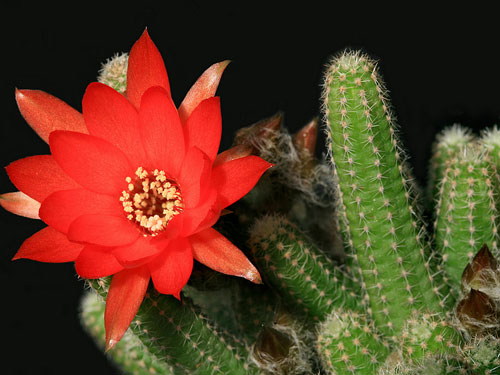
B. It is related to sunlight, temperature, fertilizer and the method of propagation. To help it bloom earlier, it is recommended to start from the following aspects.
1. Temperature: The suitable temperature for cacti is generally 20-30 degrees, and it is best if the temperature difference between day and night is appropriately large; avoid continuous hot and stuffy high temperatures in summer. When the temperature is around 35, most species grow slowly, and above 38 degrees they enter a dormancy period. In winter the temperature should be at least above 5 degrees, so that cold damage will not occur.
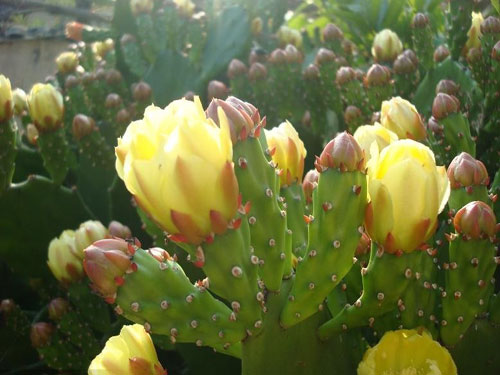
2. Light: Light is very important. For cultivation conditions, suitable temperature is enough. When there is not much rain, try to grow them outdoors, with a ventilated environment and high ultraviolet light, which is beneficial for the plant to grow robustly and mature early to reach blooming age.
3. Potting soil: The soil should be as nutrient-rich, airy and loose as possible, which is best for the development of the plant's root system and helps the plant absorb water and air.
4. Water: Watering should be appropriate; excessive watering will cause the root system to mold and rot. For general terrestrial species, watering should be strictly controlled during the dormancy period, to the extent of keeping the potting soil slightly moist and not excessively dry. If the winter room temperature reaches above 15°C, normal watering can be done. When the room temperature is 5-10°C, water once every half month, and below 5°C watering can be stopped completely. From April to June, water once every 1 to 2 days. From July to August, when the temperature exceeds 38°C to 40°C, the plant is forced into dormancy; ventilation should be strengthened and watering restricted, and normal watering can be resumed after the autumn cools down.
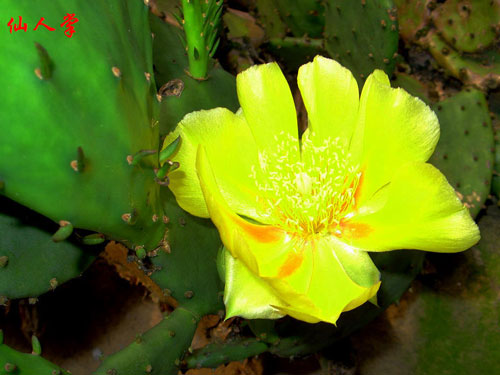
5. Fertilizer: Pay attention to fertilizing during the growing season, which can promote plant growth and earlier blooming. When the temperature is above 32 degrees or below 20 degrees, fertilizing should be stopped to avoid damaging the root system and causing death. Fertilizers can include chicken manure, horse and cow manure, cake fertilizer, bone meal, etc., which should be fully decomposed and then diluted and applied as a liquid. However, care should be taken not to let the fertilizer liquid splash onto the plant, otherwise it is easy to cause the cactus body or ball to rot. In addition, a 0.3% potassium dihydrogen phosphate or triple superphosphate solution can also be appropriately applied. When fertilizing, special attention should be paid: newly potted plants, poorly growing plants, and plants with poorly developed root systems should not be fertilized. Organic fertilizer that has not been fully fermented must not be applied as a liquid, and meat soup or vegetable soup containing salt must not be applied as a liquid.
Editor's recommendation: bathroom cabinet pictures, bathroom cabinet renderings, introduction to indoor cultivation and planting techniques for gardenia