How to Care for Potted Flowers? A Complete Guide to Practical Care Tips
How do you care for potted flowers? How do you water potted flowers? Below we give a brief introduction for everyone.
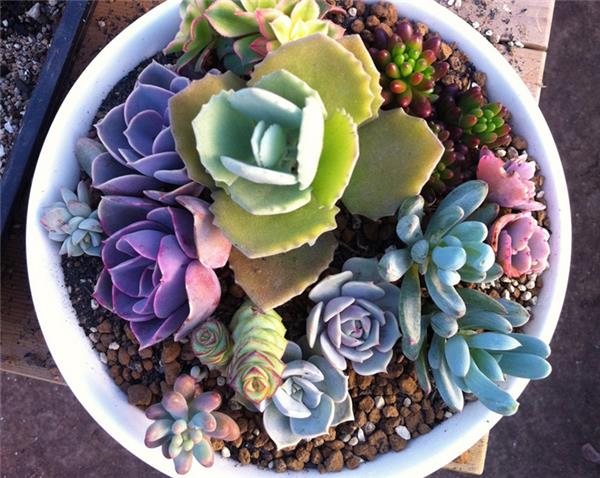
How to Care for Potted Flowers
Potted flowers should not be watered too much: since indoor potted flowers are placed in shady spots or spots with a little sunlight, overwatering will make the potting soil waterlogged and cause the roots of potted flowers to suffocate and rot, with leaves turning yellow and dropping off. Therefore, watering indoor potted flowers should follow the principle of "water when dry, and water thoroughly when you do," and never water sparingly or too much. Using water that has been used to boil vegetables or water from a container used to wash fish to water the flowers can provide nutrients to the plants and thus help them grow.
Potted flowers should not be fertilized too much or too little: not fertilizing potted flowers for a long time or fertilizing too little will cause leaves to turn yellow; fertilizing too much means the potted flowers cannot absorb it and the root system gets burned, and the inability to absorb water will also cause leaves to yellow and drop. Usually, for indoor potted flowers, choose to apply a diluted fertilizer once in late spring, and apply a diluted fertilizer once every week in summer and autumn, and never apply heavy concentrations of fertilizer. If too much fertilizer has been applied, you can dilute it by watering more and flush away some of the fertilizer in the soil. A lack of fertilizer can cause the potting soil to become compacted, with potted flower leaves turning yellow and branches growing thin, long, yellow and tender. At this point, fertilizer should be applied immediately, and results can be seen within a week.
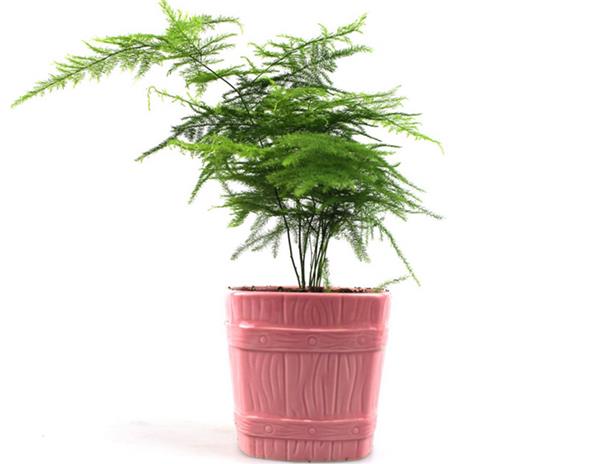
Potted flowers should not receive too much or too little light: light should be determined according to the growth characteristics of the potted flowers, and should not be excessive or insufficient. For some potted flowers that like sunlight, such as pomegranate, rhododendron, and Chinese rose, keeping them in a place with too little light for a long time will cause the plants to gradually weaken, with thin and yellow leaves, and no flowers or few flowers.
Prevention and control of pests and diseases in potted flowers: the common pests and diseases of indoor potted flowers mainly include aphids, red spider mites, and leaf spot disease caused by infection with fungi and other viruses. Their harm lies in easily causing localized necrosis of the leaves of potted flowers or withering of the leaf surface, and even the whole plant to wilt and yellow. Therefore, for indoor potted flowers, only by putting more effort into water, fertilizer care, and light management, maintaining indoor ventilation, and spraying medicine in time for prevention.
Talk to plants or sing to them: some studies show that doing so can help them survive, and some plants need specific music played. Indian sitar music has the best effect, followed by classical music. Do not play heavy metal music. In a famous experiment, loud rock music was played to plants, and as a result the plants soon died.
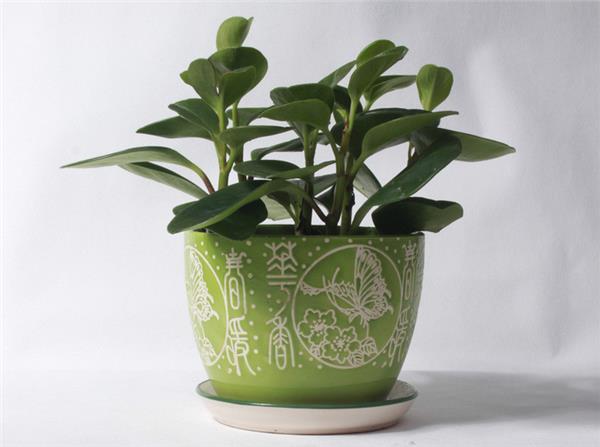
How to Water Potted Flowers
Pay attention to water quality
The water quality should preferably be clean fresh water without salt or alkali. Generally, rainwater is best for watering potted flowers; if using tap water, it must be stored for a certain time and used after the chlorine in the water has evaporated; well water contains various impurities and generally should not be used; rice-washing water and the waste water changed from a goldfish tank can also be used to irrigate potted flowers; laundry water containing soap or soap powder and dishwashing water with grease stains must not be used. For flowers that require acidic soil, such as camellia, rhododendron, orchid, and clivia, even more attention must be paid to water quality, otherwise the potting soil will become alkaline, leading to poor plant growth.
Pay attention to water temperature
Do not water when the difference between soil temperature and water temperature (or room temperature and water temperature) is large. You can choose appropriate times in the morning and evening, or adjust the water temperature (generally it is stored in advance in a jar; if cold water is used under the high temperature of the scorching sun, the plant will immediately develop "physiological drought," and the leaves will quickly scorch and wilt.
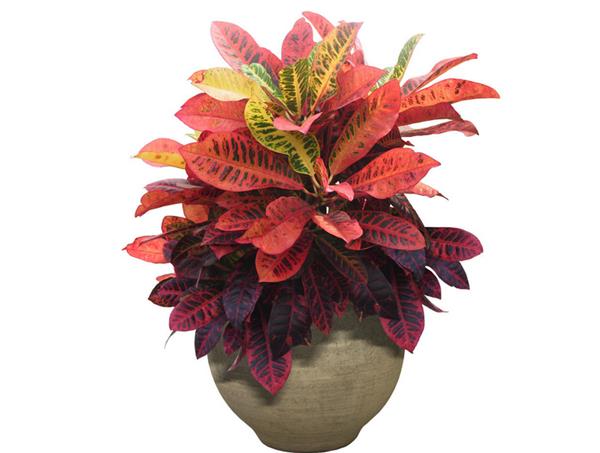
Pay attention to the amount of watering
In the practice of potted plants, people have summarized the watering experience of "nine more, nine less."
① Water more for herbaceous plants, less for woody plants;
② Water more for moisture-loving flowers, less for drought-loving flowers;
③ Water more for large, soft leaves, less for small, waxy leaves;
④ Water more during the vigorous growth period, less during the dormant period;
⑤ Water more for large seedlings in small pots, less for small seedlings in large pots:
⑥ Water more for those on balconies, less for those in courtyards;
⑦ Water more in hot weather, less in cold weather;
⑧ Water more in dry weather, less in cloudy weather;
⑨ Water more when budding, less when flowering.
The so-called more or less is a comparison under the same conditions. If drought and dehydration occur, with branches and leaves wilting, first move it to a shady place, add a little water in the pot, spray a small amount of water on the leaves, and after the stems and leaves stand up, water thoroughly. If you directly water a large amount, it will damage the roots and cause leaves to drop. If there is continuous rainy weather, it is best to move the pot to a place under the eaves to avoid the rain; if water has accumulated in the pot for a long time and waterlogging has occurred, the plant must be removed with the soil, placed in a cool, ventilated place, quickly aired out, and the moisture dispersed, and after 3-5 days, once it has recovered, repot it. If after a long period of rain the sky suddenly clears, woody flowers must first be placed in a cool, ventilated place for 1-2 days before being exposed to sunlight. If exposed to the sun rashly, because during this period the root hairs' ability to absorb water has become poor, even though the potting soil is very wet at this time, the branches and leaves will still lose water and shrivel (called "waterlogging"), and may even die. If this phenomenon has already occurred: immediately move the pot to a cool, ventilated place. Cut off some of the shriveled branch tips, stop watering, and let it slowly recover.
Pay attention to the timing of watering
Watering should be done when the plants are growing and active, but avoid the scorching sun. Therefore, generally in winter watering should be after 9-10 a.m.; in summer it should be before 8 a.m. and after 5 p.m. For plants under direct sunlight, the amount of watering in the morning should be larger, otherwise they will wilt before the afternoon arrives.
If waterlogging has occurred in the pot, the plant must be removed with the soil, placed in a cool, ventilated place, quickly aired out, and the moisture dispersed, and after 3-5 days, once it has recovered, repot it. If after a long period of rain the sky suddenly clears, woody flowers must first be placed in a cool, ventilated place for 1-2 days before being exposed to sunlight. If exposed to the sun rashly, because during this period the root hairs' ability to absorb water has become poor, even though the potting soil is very wet at this time, the branches and leaves will still lose water and shrivel (called "waterlogging"), and may even die. If this phenomenon has already occurred: immediately move the pot to a cool, ventilated place. Cut off some of the shriveled branch tips, stop watering, and let it slowly recover.Pay attention to the timing of watering
Watering should be done when the plants are growing and active, but avoid the scorching sun. Therefore, generally in winter watering should be after 9-10 a.m.; in summer it should be before 8 a.m. and after 5 p.m. For plants under direct sunlight, the amount of watering in the morning should be larger, otherwise they will wilt before the afternoon arrives.