How to grow flowers and plants? Practical care tips shared
In today's households, growing flowers and plants is now increasingly common; they can both decorate the home and freshen the air. But how do you grow flowers and plants? Below we introduce ten great tips for you.
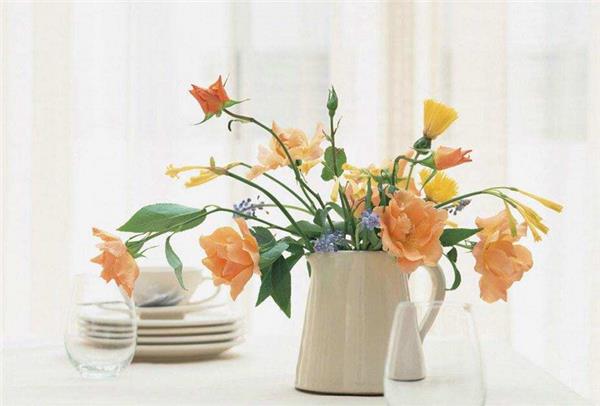
How to grow flowers and plants
1. Watering flowers
1. Watering flowers with leftover tea: Using leftover tea to water flowers can both maintain soil moisture and add nutrients such as nitrogen to the plants. However, you should water according to the humidity of the flowerpot, regularly and in moderation, rather than pouring leftover tea in whenever you like.
2. Watering flowers with spoiled milk: After milk spoils, add water and use it to water flowers; it benefits the growth of the flowers. But add more water to make it fairly dilute. Unfermented milk is not suitable for watering flowers, because it produces a large amount of heat during fermentation, which will "burn" the roots (cause root rot).
3. Watering flowers with cool boiled water: Using cool boiled water to water flowers can make the foliage lush and the blooms vivid, and can promote earlier flowering. If used to water asparagus fern, it can make its branches and leaves spread sideways and grow short and dense.
4. Watering flowers with warm water: In winter, when the weather is cold and the water is chilly, it is better to water flowers with warm water. It is best to place the water indoors and wait until it is close to room temperature before watering. If you can bring the water temperature to 35°C before watering, so much the better.
5. Watering flowers with rice-rinsing water: Regularly using rice-rinsing water to water flowers such as Aglaia odorata can make their branches and leaves lush and their flower colors vivid.
2. Fertilizing
1. Maifan stone fertilizer: Sprinkle a layer of maifan stone granules on the flowerpot to promote the growth of flowers and prolong the flowering period.
2. Crushed eggshell fertilizer: Crush eggshells and bury them in the flowerpot; this is very good fertilizer and can make potted flowers grow lush with abundant leaves and vivid blooms.
3. Cook a small amount of soybeans and set them aside. Poke three holes in each pot of flowers, put in 3-5 cooked soybeans, 2-3 cm deep, without damaging the flower roots, and cover with soil as usual.
4. Roast until charred and crush the pork bones, fish bones, and so on that you would normally prepare to discard, and apply them at the bottom or on the surface of the pot.
3. Organic fertilizer
For home flower growing, it is not advisable to frequently use chemical fertilizers. The main fertilizers needed for cultivating flowers, such as nitrogen, phosphorus, and potassium, can all be collected in daily life. For example: moldy waste peanuts, beans, melon seeds, and coarse grains that can no longer be eaten are all nitrogen-containing fertilizers; after fermentation as a base fertilizer or soaked into a solution as a top dressing, they can all promote vigorous growth of flowers and plants; fish bones, crushed bones, chicken feathers, eggshells, and the fingernails and hair people cut off are all rich in phosphorus. Mix these waste materials into old potting soil, add some water, put them in a plastic bag and place it in a corner; after a period of decomposition, they can become excellent organic fertilizer. If these waste materials are soaked into a solution and used as a top dressing, they can make home-grown potted flowers vivid in color and heavy with fruit. In addition, fermented rice-rinsing water, the water drained from sprouting beans, wood ash water, as well as rainwater and waste water from fish tanks, all contain certain amounts of nitrogen, phosphorus, and potassium; as long as they are used in appropriate amounts, they will promote the growth and development of flowers and plants.
4. Disease prevention
In early spring, various flowers and plants are about to enter a vigorous growth season. At this time, you can spray 1-3 times a 1% Bordeaux mixture on the leaf surfaces and undersides to prevent diseases. The preparation method of 1% Bordeaux mixture is: 1 g of copper sulfate, crushed and dissolved with 50 mL of hot water; then 1 g of quicklime, slaked with a few drops of water, then add 50 mL of water, and filter out the residue; pour both solutions into the same container at the same time and stir evenly; finally it becomes a sky-blue transparent Bordeaux mixture.
5. Pest elimination
1. Laundry detergent: Dissolve one tablespoon of laundry detergent in 4 L of water, and spray the flower leaves every two weeks; it can thoroughly eliminate whiteflies and bacteria.
2. Milk: Mix 4 cups of flour and half a cup of milk into 20 L of water, stir, filter through gauze, and spray on the flower leaves; it can kill mites and their eggs.
3. Beer: Pour beer into a shallow dish placed under the flowerpot soil; snails that crawl in will drown.
4. When ants appear in the flowerpot, soak cigarette butts and cut tobacco in hot water for one or two days; when the water turns dark brown, sprinkle part of the water on the flower stems and leaves, and dilute the rest and pour it into the flowerpot; the ants can then be eliminated.
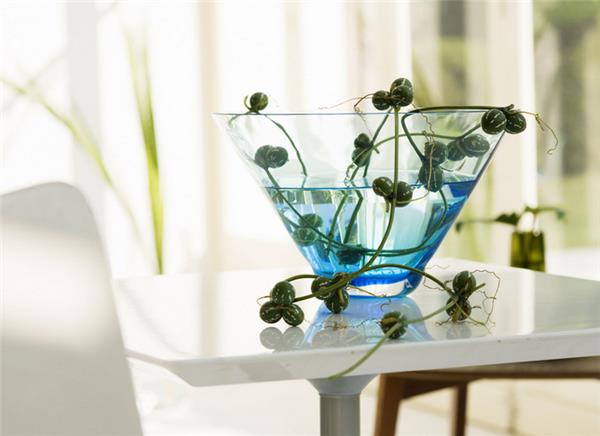
6. Keeping flowers fresh
Rose: singe the cut end with fire, then insert it into a bottle.
Autumn chrysanthemum: apply a little menthol crystal to the cut end.
White orchid: wrap it in a wet cloth at night and uncover it during the day; this can delay the flower's wilting by 2-3 days.
Peony: first soak the cut end in hot water, then insert it into cold water.
Camellia: insert it into lightly salted water.
Lily: insert it into sugar water.
Gardenia: add 1-2 drops of fresh meat juice to the water.
Narcissus: keep it in water with a salt concentration of one part per thousand.
When going away for a long trip, take the cut flowers out of the bottle and store them in the fruit and vegetable compartment of the refrigerator; they can be kept from wilting for a long time, and when you return, take them out and put them in a vase, and they will again look lifelike.
Dissolve aspirin in water; it can prolong the flowering time of cut flowers kept in a bottle.
7. Flowering
Put flower seeds, plant bulbs, or cuttings for propagation into a plastic bag, then place them in the refrigerator's cold storage compartment; take them out to plant at the appropriate time, and you can adjust the flowering time as you wish.
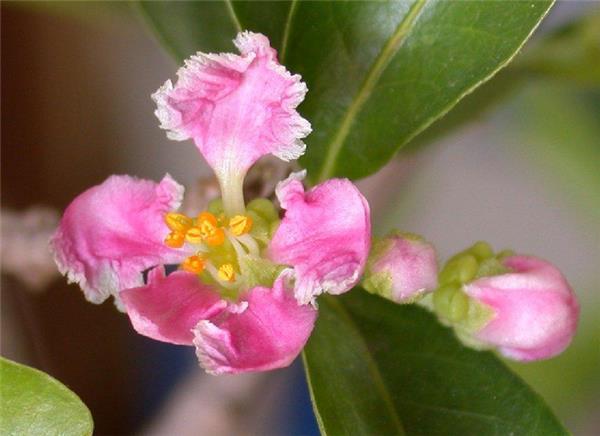
8. Revival
After winter sets in, potted flowers placed outdoors will freeze stiff. In this situation, you can quickly wrap the potted flowers, pot and all, in three layers of highly absorbent waste newspaper; when wrapping, be careful not to damage the branches and leaves of the potted flowers, and avoid direct sunlight. Leave it like this for one day, so that the temperature of the potted flowers gradually rises. After this treatment, frozen potted flowers can revive.
9. Deodorizing
If fermented solution is used as fertilizer for indoor flowers, it will give off an unpleasant odor. If orange peel is put into the fertilizer liquid, the odor will be eliminated. At the same time, orange peel itself is also an excellent fertilizer.
10. Killing insects
1. Take 200 g of Welsh onion, chop it, put it in 10 L of water and soak for a day and a night; after filtering clear, use it to spray the affected plants several times a day for 5 consecutive days.
2. Take 200-300 g of garlic, mash it and extract the juice, add 10 L of water to dilute, and immediately use it to spray the plants.
3. Soak 400 g of tobacco powder in 10 L of water for two days and two nights, then filter out the tobacco powder; when using, add another 10 L of water and 20-30 g of soap powder, stir evenly, and spray the affected flowers and plants.
4. Soak 10 L of water and 3 kg of wood ash for 3 days and nights, then it can be used to spray the plants.