Complete Guide to Houseplants: Common Varieties and Care Methods
There are many plants suitable for growing indoors, but some are not. Let's look through the following guide to houseplants to see which ones are actually suitable.
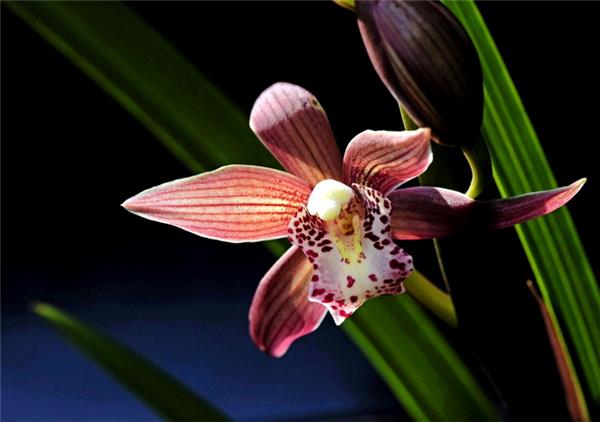
Complete Guide to Houseplants
1. Aloe, spider plant, snake plant, cast-iron plant, monstera
Reason: These houseplants are natural scavengers that can remove harmful substances from the air, and they are especially effective against formaldehyde. Research shows that snake plants and spider plants can absorb more than 80% of various harmful gases indoors, and their ability to absorb formaldehyde is particularly strong. Aloe is also an expert at absorbing formaldehyde, able to absorb 90% of the formaldehyde contained in 1 cubic meter of air.
2. English ivy, sago palm, chrysanthemum, kumquat, pomegranate, marvel-of-Peru, purslane, Chinese rose, camellia, pomegranate, Aglaia odorata, daisy, wintersweet, marigold
Reason: These houseplants each have their own role in resisting harmful gases such as sulfur dioxide, fluorine, chlorine, ether, ethylene, mercury vapor, lead vapor, carbon monoxide and nitrogen peroxide. Because these plant bodyguards resist the toxic gases released by household appliances and plastic products, the chance of them harming you is greatly reduced.
3. Rose, osmanthus, violet, jasmine, lemon, rose, dianthus, lily of the valley, crape myrtle
Reason: The volatile oils produced by these fragrant flowering houseplants have a significant sterilizing effect. Plants such as crape myrtle, jasmine and lemon can kill protists such as diphtheria bacteria and dysentery bacteria within 5 minutes. The fragrances released by plants such as jasmine, rose, dianthus, lily of the valley, violet, rose and osmanthus have a clear inhibitory effect on the growth and reproduction of tubercle bacilli, pneumococci and staphylococci.
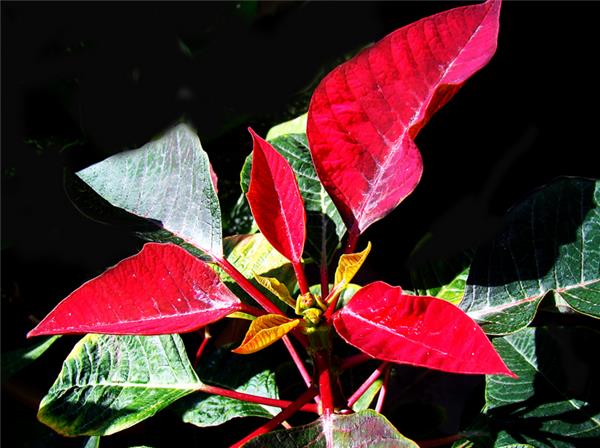
4. Snake plant, snake plant, agave, as well as Opuntia rufida, dwarf kalanchoe, striped kalanchoe, Sedum pachyphyllum, cup-shaped kalanchoe, bromeliad
Reason: These houseplants can purify the air at night, and they are easy to "wait on." They can grow luxuriantly without spending too much time and effort on their care.
5. Cactus, Epiphyllum, Schlumbergera, Hylocereus undatus, Epiphyllum oxypetalum
Reason: The stomata on the fleshy stems of these houseplants close during the day and open at night, and while absorbing carbon dioxide they produce oxygen, increasing the concentration of negative ions in the indoor air.
6. Orchid, osmanthus, wintersweet, Caladium bicolor, Excoecaria cochinchinensis
Reason: These houseplants are natural dust removers; their cilia can intercept and absorb floating particles and smoke dust in the air.
7. Lilac, jasmine, rose, violet, feverfew, mint
Reason: These houseplants can help people relax, feel cheerful, aid sleep, improve work efficiency, and even make people smarter.
Through indoor air circulation, the content of some free harmful substances in indoor air can be reduced, thereby reducing the harm of such substances to the human body, but this only treats the symptoms, not the root cause. It is better to grow some suitable houseplants.
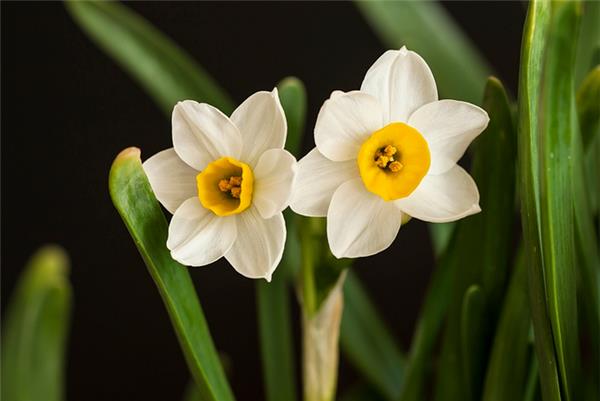
Timing of Watering Houseplants
1. Decide when to water according to the plant variety
Different plants have different water requirements, so they cannot be treated all the same. For example, Araceae plants such as pothos have a relatively large water requirement, so they should be watered more frequently, while plants such as the money tree and succulents have a small water requirement, so watering should be moderate and not excessive.
2. Decide when to water according to the season
Gardeners all know that drying clothes in winter takes a relatively long time. This is because winter temperatures are low and water evaporates slowly. The same is true of the soil of plants, so the watering frequency should be lower in winter and can be higher in summer.
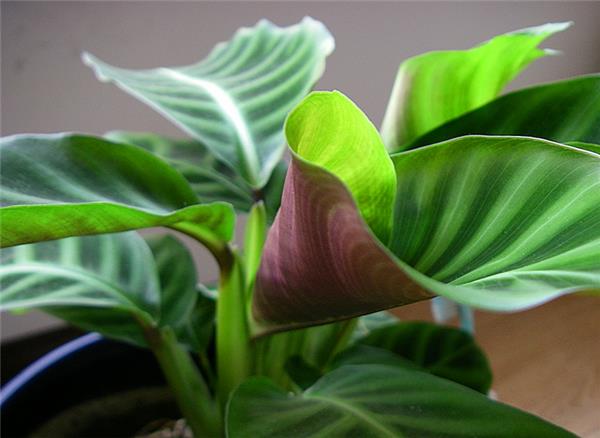
3. Decide when to water according to the air permeability of the soil
Different soils have different air permeability and water permeability, and the speed at which water in the corresponding soil evaporates is also different. Therefore, when growing flowers, you should first understand the soil you are using before watering.
4. Decide when to water according to the size and depth of the flowerpot
Flowerpots come in different sizes and depths. Some plants are grown in large, deep pots, and after one watering they will not dry out for several months. In this case, if the plant is watered every few days, it will be very hard for the plant to escape root rot. On the contrary, some flowerpots are relatively shallow and small; if watered in the morning, they dry out in the afternoon. In this case, you should water frequently.