How should nutrient solution for hydroponic plants be used correctly?
The nutrients contained in water are extremely limited and cannot meet the needs of plant growth. This is where the role of nutrient solution becomes greatly apparent. Below, let us look at how to use nutrient solution for hydroponic plants.
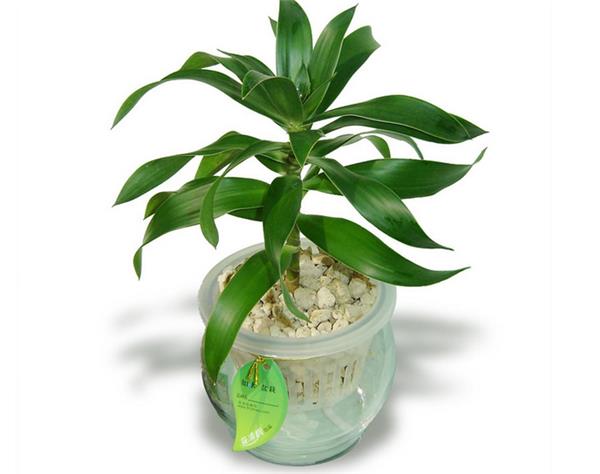
How to use nutrient solution for hydroponic plants
1. Shake to increase oxygen. Hold the flower plant steady with one hand, and with the other hand gently shake the container more than 10 times. After shaking, the dissolved oxygen content of the nutrient solution can increase by about 30%.
2. Increase the frequency of water changes. Changing the water means replacing the water in the bottle to which nutrient solution has been added. Under normal circumstances, in spring and autumn, change the water once every 5 to 10 days; in summer, change the water about once every 5 days; in winter, change the water once every 10 to 15 days. Home hydroponic flowers should use soft water as the water source; generally, tap water that meets national standards can be used. After letting the tap water sit for two hours to half a day, wait until its temperature approaches room temperature and the chlorine and other substances in the water have volatilized completely, then add the purchased nutrient solution in proportion, and it becomes a nutrient solution suitable for growing hydroponic plants.
3. Add an appropriate amount of "solid oxygen" to the nutrient solution or add 1% hydrogen peroxide (3% hydrogen peroxide solution).
4. Use a miniature submersible pump or an oxygen pump (both are standard aquarium products) to aerate the nutrient solution. In such an environment, plant roots can obtain sufficient oxygen, promoting robust flower growth.
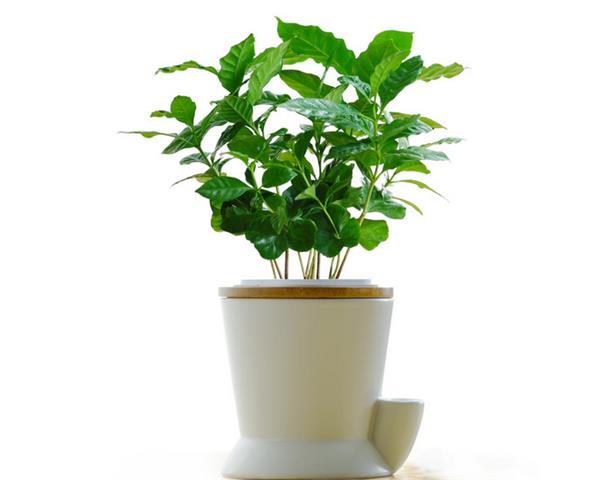
Nutrient solution formula for hydroponic plants
The various elements used and their amounts when preparing nutrient solution for hydroponic plants must be determined according to the variety of plant being grown, its growth and development stage, flowering time, and the final growing region.
Preparation method of nutrient solution for hydroponic plants:
Add 0.22 g of ammonium phosphate, 1.05 g of potassium nitrate, 0.16 g each of ammonium sulfate and ammonium nitrate, and 0.01 g of ferrous sulfate to 1 liter of water, and mix evenly to obtain the nutrient solution. Metal containers must not be used for preparing and storing nutrient solution; it is best to use ceramic, plastic, glass, or ceramic containers.
Usage: For potted flowers during the growing period, water with nutrient solution once a week, and the amount can be flexibly controlled according to the size of the plant.
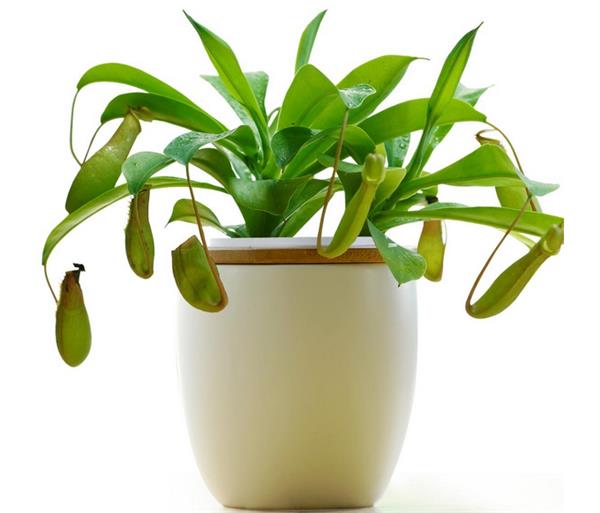
It should be noted that hydroponic plants cannot simply be guaranteed to grow well by dropping a few drops of nutrient solution into water. If a certain nutrient element is lacking, physiological disorders will occur, affecting growth, development, and flowering, and in severe cases even leading to death. Therefore, nutrients in the nutrient solution must be adjusted in a timely manner and the right remedy applied to the right problem in order to cure the problem.
Nitrogen deficiency: Plants grow slowly, leaf color turns yellow, and in severe cases leaves fall off.
Phosphorus deficiency: Often appears abnormally dark green, sometimes with gray spots or purple spots, delaying maturity.
Potassium deficiency: In dicotyledonous plants, leaves begin to show slight chlorosis, after which scattered dark necrotic spots appear; in monocotyledonous plants, cells at the leaf tips and edges necrose first, then spread downward.
Calcium deficiency: Significantly inhibits bud development and causes root tip necrosis; plants are short and have dark wrinkled leaves.
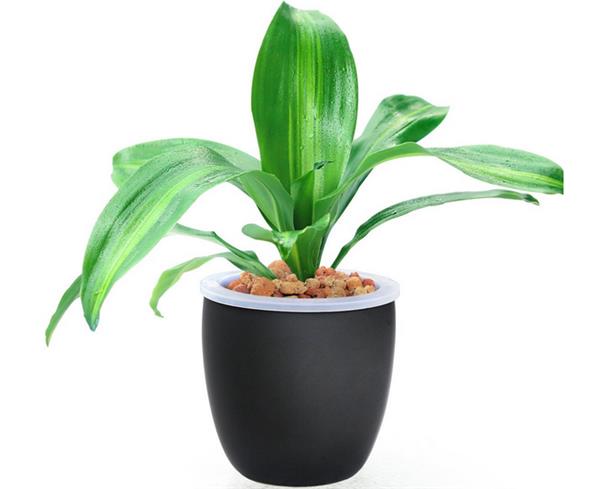
Magnesium deficiency: Chlorosis first occurs between the veins of old leaves, flowering is delayed, pale spots form, then they turn white, and finally brown.
Iron deficiency: Obvious chlorosis symptoms appear between the veins, and in severe cases they become scorch-like, similar to magnesium deficiency, except that it usually occurs on younger leaves.
Chlorine deficiency: Leaves first wilt, then become chlorine-deficient or necrotic, and finally turn bronze-colored.
Boron deficiency: Can cause physiological disorders and manifest various symptoms, but most commonly the death of apical meristem tissue in stems and roots.
Improper addition or abuse of nutrient solution easily promotes accelerated reproduction of microorganisms and easily causes the nutrient solution concentration to become too high, inducing root rot. So, how should nutrient solution for hydroponic plants be used reasonably? Let us look below.