Types of Potted Flowers and Their Care Methods
Where there are flowers, there is always vitality. As this lively summer approaches, let's plant a pot of flowers to make our days at home more pleasant. Below, we introduce the types of potted flowers and their care.
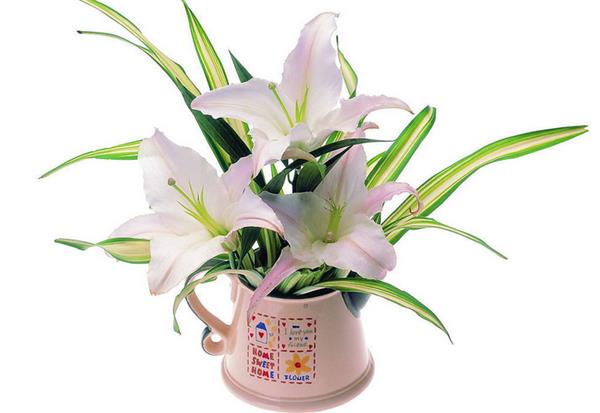
Types of Potted Flowers
There are many types of flowers suitable for pot cultivation in home courtyards. When conditions are good, you can choose to grow some flower types that require more meticulous management, such as plum blossom, Aglaia odorata, camellia, poinsettia, wintersweet, Belgian azalea, Norfolk Island pine, Brazilian ironwood, money tree, king coconut, Michelia alba, Chloranthus spicatus, jasmine, Ardisia crenata, bromeliads, Zamioculcas zamiifolia (dragon-phoenix tree), Fagraea ceilanolia (commonly known as African jasmine), Cinnamomum species (commonly known as peace tree), calla lily, primrose, Cymbidium hybridum, anthurium, Cymbidium ensifolium, Phalaenopsis, Cymbidium sinense, cyclamen, Oncidium, Vanda, Rieger begonia, tuberous begonia, bird of paradise, hibiscus, clivia, pothos, Fittonia, croton, Syngonium podophyllum, arrowhead vine, Buddha's hand, bitter orange, lemon, tulip, hyacinth, calceolaria, fishtail palm, areca palm, bottle palm, and so on. For courtyards with relatively poorer conditions, you can grow some types that require more extensive management, such as nandina, sago palm, bamboo palm, chrysanthemum, Cymbidium goeringii, Cymbidium faberi, amaryllis, winter jasmine, Forsythia, Caragana, Serissa japonica, Chaenomeles speciosa, Osmanthus fragrans, cacti, asparagus fern, rubber tree, Epiphyllum, Epiphyllum oxypetalum, Monstera deliciosa, Philodendron, Schefflera, Pilea, Excoecaria cochinchinensis, bougainvillea, Euphorbia, camellia, Camellia sasanqua, Rhododendron, banyan, and so on.
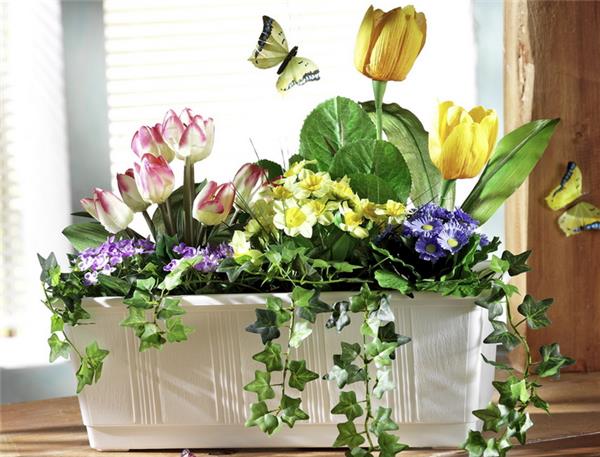
Care of Potted Flowers
I. Common Soil Types for Potted Flowers
1. Garden soil: Ordinary soil that has matured on the surface layer of farmland soil. It is a semi-clayey sandy soil. Because it is often fertilized and cultivated, it contains a certain amount of humus and is suitable for planting generally robust flowering shrubs. Garden soil is the main component of potting soil. However, when dry, the surface tends to cake; when wet, aeration and drainage are poor, so it cannot be used alone.
2. Leaf mold: Also called humus soil. Because it contains a lot of humus, it is loose with many gaps and is acidic or slightly acidic. It is suitable for planting all kinds of flowers that prefer acidic soil and is also an important material for preparing potting soil.
3. Mountain soil: Slightly acidic, often used to cultivate orchids, commonly known as orchid soil. It is a natural humus soil formed from decayed leaves. Besides cultivating orchids, it is also used to prepare potting soil for cultivating camellias, azaleas, and other flowers.
4. Pond mud: Sediment from fish ponds or lotus ponds, containing a large amount of organic matter and having good drought resistance and waterlogging tolerance. However, it is hard in texture and should be mixed with loose soil.
5. Stove ash soil: Stove ash soil is light and loose in texture, with good drainage and aeration, and can replace sandy soil as a potting soil material. Some of the elements it contains can dissolve in water and be absorbed and used by flowers. Its cinder blocks can be placed at the bottom of the pot as a drainage layer.
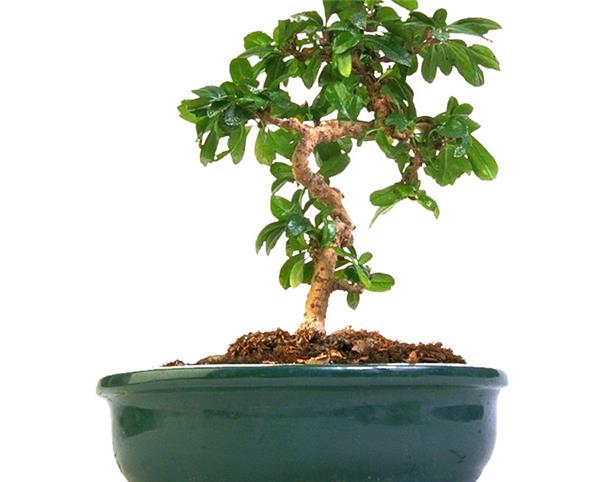
II. Reasons for Slow Growth of Potted Flowers
1. No repotting for a long time: Potted flowers have limited soil. When nutrients are exhausted, it often causes nutritional deficiency in the plants, affecting their normal growth and development. The solution is: according to the size of the plant, repot and change the soil every year or every other year, and fertilize and water reasonably.
2. Unreasonable potting soil structure: Most potted flowers need soil rich in nutrients with good drainage and aeration. This kind of soil is very hard to find in cities full of high-rise buildings, so growers need to prepare it themselves. If the prepared potting soil is unreasonable and contains little humus, it will inevitably cause the potting soil to cake, and the plants will certainly not grow well.
3. Room temperature too low: When the room temperature is lower than the minimum temperature required for plant growth and development, normal physiological activities cannot proceed, and growth stops accordingly. In severe cases, it can cause damage to some tissues and organs of the plant, or even the death of the whole plant. Therefore, plants should have an appropriate temperature for survival.
4. Unreasonable watering: Insufficient watering affects the normal physiological activities of the plant. Especially in hot summer, water shortage will cause the plant to wilt, and growth and development will be affected. Overwatering or long-term water accumulation in the potting soil will cause root rot and lead to slow plant growth. Therefore, watering should adhere to the principles of "water when dry, stop when wet" and "water thoroughly when completely dry." When the air is dry, spray water on the leaves frequently to increase air humidity and ensure the plant has sufficient water.
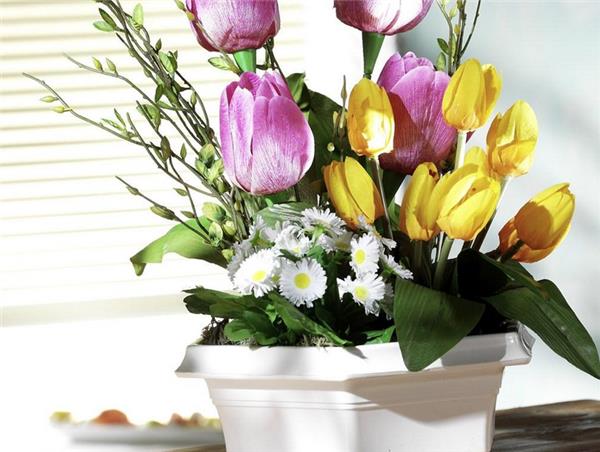
III. Precautions for Growing Potted Flowers
1. Dry air: When indoor air is too dry, flowers often show symptoms such as withered leaf tips or scorched leaf edges. Attention should be paid to increasing air humidity by spraying water, covering with plastic film, and other methods.
2. Excessive fertilization: Too much fertilizer will cause new leaves to be thick and fleshy with many bumps and uneven surfaces, while old leaves will dry at the tips, turn scorched yellow, and fall off. Fertilization should be stopped immediately, and the amount of water changed should be increased so that the fertilizer is leached away, or the pot should be immediately turned out, the bulbs rinsed with water, and then replanted in the pot.
3. Hot and high temperatures: If flowers are placed in a high-temperature location exposed to direct strong sunlight, it can easily cause the tips and edges of young leaves to scorch, or leaves to turn yellow and fall off. They need to be moved promptly to a well-ventilated, shady place.
4. Excessive shade: If flowers are kept in a shaded place or a place with insufficient light for a long time, the branches and leaves will turn yellow.
5. Poor ventilation due to crowding: If too much nitrogen fertilizer is applied, the branches and leaves grow too luxuriantly, and with no pruning for a long time, the inner branches and leaves do not get enough light, which easily causes leaves to turn yellow and fall off. Fertilize reasonably and strengthen pruning to allow ventilation and light penetration. For potted flowers, soil is the first thing to pay attention to among all growing conditions, because soil, as the substrate for potted flowers, directly affects the plant roots through its alkali content and acid content, so special attention must be paid. On this basis, by paying more attention to water, light, temperature, and other conditions, you can grow a healthy green plant.
Attention should be paid to increasing air humidity by spraying water, covering with plastic film, and other methods.2. Excessive fertilization: Too much fertilizer will cause new leaves to be thick and fleshy with many bumps and uneven surfaces, while old leaves will dry at the tips, turn scorched yellow, and fall off. Fertilization should be stopped immediately, and the amount of water changed should be increased so that the fertilizer is leached away, or the pot should be immediately turned out, the bulbs rinsed with water, and then replanted in the pot.
3. Hot and high temperatures: If flowers are placed in a high-temperature location exposed to direct strong sunlight, it can easily cause the tips and edges of young leaves to scorch, or leaves to turn yellow and fall off. They need to be moved promptly to a well-ventilated, shady place.
4. Excessive shade: If flowers are kept in a shaded place or a place with insufficient light for a long time, the branches and leaves will turn yellow.
5. Poor ventilation due to crowding: If too much nitrogen fertilizer is applied, the branches and leaves grow too luxuriantly, and with no pruning for a long time, the inner branches and leaves do not get enough light, which easily causes leaves to turn yellow and fall off. Fertilize reasonably and strengthen pruning to allow ventilation and light penetration. For potted flowers, soil is the first thing to pay attention to among all growing conditions, because soil, as the substrate for potted flowers, directly affects the plant roots through its alkali content and acid content, so special attention must be paid. On this basis, by paying more attention to water, light, temperature, and other conditions, you can grow a healthy green plant.