How Do Flowers, Grass and Trees Survive Winter? A Detailed Guide to Winter Care Techniques
Winter is cold, and people can put on thick down jackets to get through it, but do you know how flowers, grass and trees survive winter?
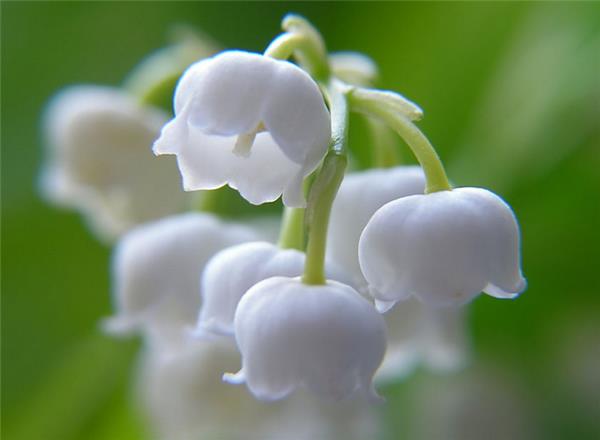
How Flowers, Grass and Trees Survive Winter
Shedding leaves
When people talk about leaves falling, they think of the word death, but for flowers, grass and trees, shedding leaves is a very important part of getting through winter. After flowers, grass and trees shed their leaves, the respiration of the leaves is reduced, which in turn reduces the loss of water and nutrients. Especially in cold places lacking sunlight, photosynthesis becomes less and less, so flowers, grass and trees can only use the nutrients stored in spring and summer to get through winter. At this point, the rapid loss of nutrients must be reduced, so in winter flowers, grass and trees shed their leaves.
Roots buried deep in the soil
Everyone knows that in winter the water in the surface layer of the soil is very scarce, so once winter comes the roots of trees burrow deep into the ground. In this way, flowers, grass and trees can not only insulate themselves but also absorb water, preventing death from excessive water loss.
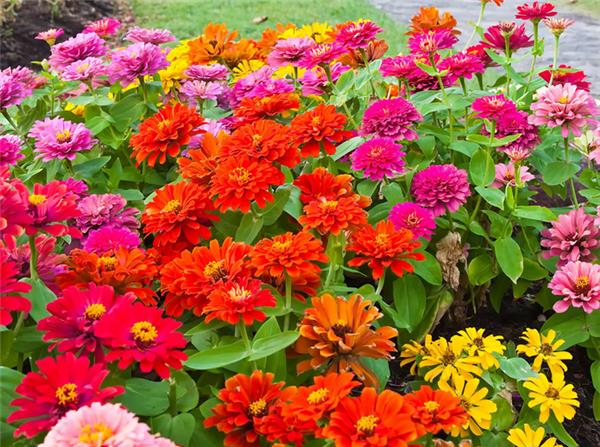
Reducing their own activity
In fact, flowers, grass and trees are the same as animals: in winter their activity levels drop. Apart from essential life activities, they engage in almost no other activity.
Putting clothes on trees
If some trees do not have very outstanding cold resistance, they need to be given thick clothes by hand to prevent frost damage. The most common practice is to wrap the trunk of the tree with thick straw rope to withstand the cold winter. If they are shrubs, you can also cover the roots with a thick layer of weeds to provide insulation.
Pruning
Sometimes, in order to help flowers, grass and trees get through winter smoothly, professional pruners will use shears to cut off the surplus and unnecessary parts of the flowers, grass and trees, so that new branches and tender buds can grow smoothly the following year.
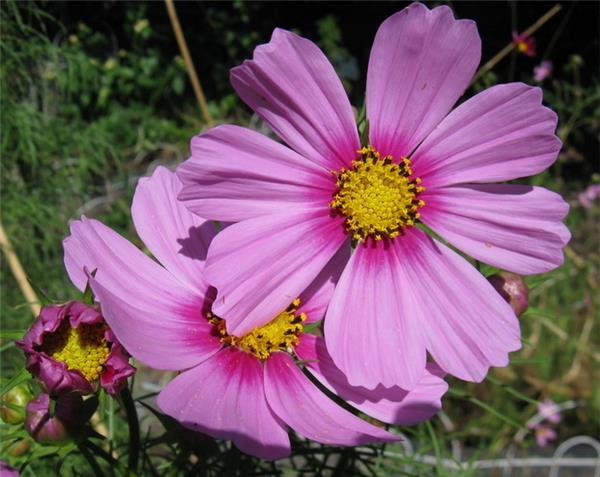
Precautions for flowers, grass and trees to get through winter safely
1. Light: effectively avoid "cold" symptoms
As the holidays approach, the flower market once again welcomes a wave of flower buyers. However, many flowers and plants wither before Christmas, and the stems and leaves of maidenhair fern and plum blossom also become listless. According to reports, the above are all symptoms of flowers and plants catching a "cold", and appropriate light should be given. Pomegranate, poinsettia and rubber tree all love direct sunlight; impatiens, Christmas cactus, poinsettia and Chinese rose should have their light hours extended as much as possible in winter. In addition, do not place them too close to air conditioners or heaters, to prevent the branches and leaves from being damaged by fumes and scorched.
2. Watering and misting: treat them differently
In winter, the evaporation of plants is much lower than in summer, so there is no need to water frequently. Only when the soil in the pot (below 2-3cm) is found to be dry and powdery, or when tapping the side of the pot produces a crisp sound, may you water an appropriate amount (do not overwater). As for water temperature, avoid too great a difference between the water temperature and the soil temperature or air temperature. As for watering time, it can be done before 10 a.m. and after 4 p.m. For example, for ornamental plants such as rubber tree, Brazilian wood, money tree, Milan, jasmine, wintersweet, plum blossom, camellia and sasanqua, watering should be controlled in winter, reducing both the frequency and the amount. For wintersweet, plum blossom, camellia and others that bloom in winter and early spring, watering should be controlled even more, while misting should be increased to help the formation of flower buds. For potted foliage plants brought indoors, such as monstera, anthurium and pothos, misting should be the main method and watering supplementary, to keep the potting soil from drying out.
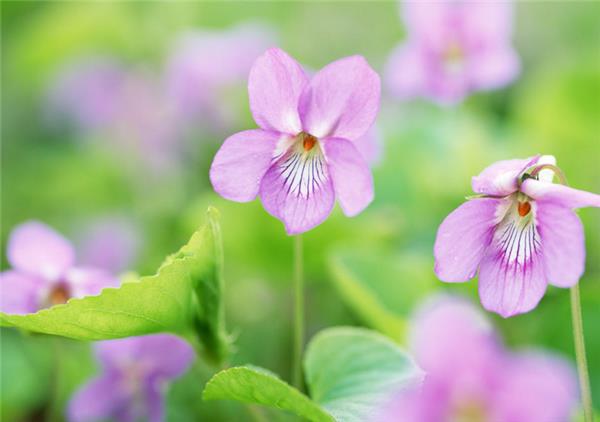
3. Fertilizing: use low-concentration fertilizer
Fertilizing flowers, grass and trees in winter is very important, but not all flowers need fertilizer. According to reports, balcony potted plants in a dormant or semi-dormant state should stop being fertilized. For clivia, calla lily and bromeliad, a mixed solution of 0.2% monopotassium phosphate and 0.1% urea can be applied; for flowering and fruiting trees and flowers such as white orchid, Milan, pomegranate, crape myrtle and jasmine, a dilute phosphorus-potassium fertilizer should be applied continuously; for most foliage plants, nitrogen fertilizer should be stopped and some low-concentration potassium fertilizer appropriately applied, to increase the cold resistance of the flowers.
4. Pruning: essential before bringing indoors
For bonsai and potted flowers moved indoors, dead branches and fallen leaves, overly dense branches, diseased and pest-infested branches, and weak thin branches should be cut off; for bonsai that have already been shaped for one or two years, the binding material can be removed or the position changed and rebound, to prevent long-term constriction at a fixed position.
5. Disease prevention: thoroughly treat pests and diseases
At present, it is still a season when pests and diseases are relatively severe, and flowers and trees are easily attacked by pests such as scale insects, red spider mites, aphids and whiteflies. Diseases include leaf spot disease and rot of branches and trunks. Therefore, before flowers officially pass the winter, the pot walls and pot bottoms should be washed, and any dead branches or pest-infested branches found should be cut off. In the first week after moving in from the balcony, it is best to open the windows and doors for ventilation, so that the potted flowers gradually adapt to temperature changes; otherwise the potted flowers easily turn yellow and drop their leaves. Generally, they should be placed in a sunny, warm spot indoors; when arranging them, sun-loving potted flowers should be placed in the front row, and shade-tolerant or semi-shade-tolerant potted flowers in the middle and back rows, and the orientation of the potted flowers should be rotated from time to time.
The binding material can be removed or the position changed and rebound, to prevent long-term constriction at a fixed position.5. Disease prevention: thoroughly treat pests and diseases
At present, it is still a season when pests and diseases are relatively severe, and flowers and trees are easily attacked by pests such as scale insects, red spider mites, aphids and whiteflies. Diseases include leaf spot disease and rot of branches and trunks. Therefore, before flowers officially pass the winter, the pot walls and pot bottoms should be washed, and any dead branches or pest-infested branches found should be cut off. In the first week after moving in from the balcony, it is best to open the windows and doors for ventilation, so that the potted flowers gradually adapt to temperature changes; otherwise the potted flowers easily turn yellow and drop their leaves. Generally, they should be placed in a sunny, warm spot indoors; when arranging them, sun-loving potted flowers should be placed in the front row, and shade-tolerant or semi-shade-tolerant potted flowers in the middle and back rows, and the orientation of the potted flowers should be rotated from time to time.