What Water Is Best for Hydroponic Plants? Water Selection Methods and Care Tips
Do you know what water is best for hydroponic plants? How do you change the water for hydroponic plants? Let's give a brief introduction below.
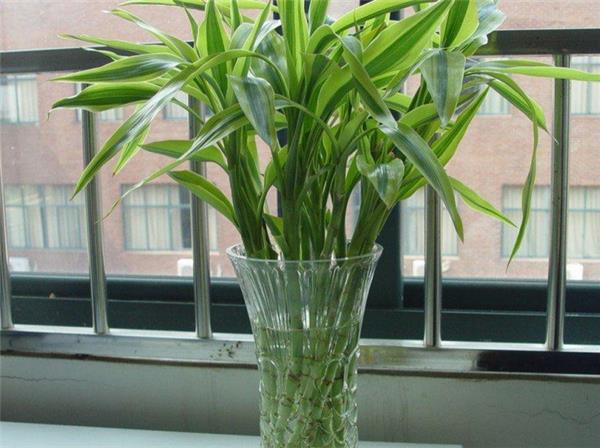
What Water to Use for Hydroponic Plants
Purified water is best, though tap water will also do. Since the oxygen dissolved in water decreases as the salt concentration increases, and purified water is desalinated water with a low salt content, it is a suitable water source for hydroponic flowers. Besides its low salt content, purified water also has the advantages of good clarity and no pollution, making it the most ideal water for hydroponic flowers. In addition, qualified drinking tap water can also be used for hydroponic flowers; tap water has gone through filtration, disinfection, impurity removal and other steps, which to a certain extent lowers its salt content, and it also contains fewer pathogens, plus it is convenient to obtain, making it a fairly suitable water source for hydroponic flowers. However, tap water is commonly disinfected with liquid chlorine, and excessive chlorine can harm flower roots; to allow the chlorine gas to be released, it needs to be left to stand for a period before use. River water, lake water, pond water and well water have high salt content and cannot be used as water for hydroponic flowers.
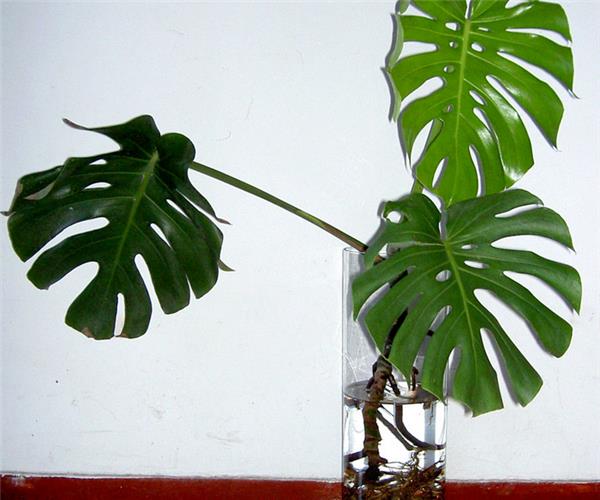
How to Change the Water for Hydroponic Plants
Step 1:
Water change timing: generally a water change interval of 5-7 days is suitable. But the water change depends on the season; for flowers that have just been set up for hydroponics, change the water once every 1-2 days. In summer, plants grow vigorously and temperatures are high, so the water easily spoils and the interval should be shortened. In winter, most plants are in a semi-dormant or dormant state and temperatures are lower, so the water change interval can be longer. Overall, a shorter water change interval is beneficial to plant growth.
Step 2:
Cleaning of roots and containers: when changing the water, the roots should be cleaned; you can rinse off the mucus on the roots with clean water, and cut away some rotten roots and old roots that have lost their ability to absorb. After a container has been used for a period, sediment will stick to its walls, and moss is also likely to grow there, so it should also be cleaned thoroughly when changing the water.
Step 3:
Water depth: when growing flowers hydroponically, people often immerse the roots completely in water, but from cultivation experience, you should not add too much water; leave a small portion of the roots exposed to the air, so that the roots can both absorb dissolved oxygen from the water and absorb oxygen from the air.
In addition: if conditions allow, gardening enthusiasts can go to a flower market to buy some nutrient solution, which is even more beneficial to the growth of hydroponic flowers!
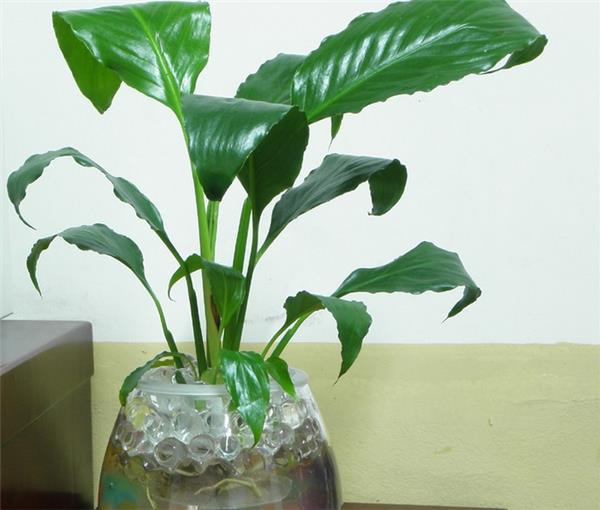
Key Points for Changing the Water of Hydroponic Plants
1. At around 20-25°C (spring and autumn), change the water once every 10-15 days or so. When the temperature is low, the water change interval can be appropriately extended; when the temperature is high, it should be shortened.
2. When flowers and fish are kept together, change the water frequently. It is best to buy a micro air pump of about 3 watts that consumes very little electricity; with proper aeration, the water change interval can be greatly extended (generally the water can be changed once every 1-2 months).
3. Tap water can be used, but it is best to let it stand for one to two days. Mineral water or purified water can also be used directly. The temperature difference between the original water and the new water should not be too large. Use 6ML bagged nutrient solution diluted into clean water in a 2.25L large cola bottle. Use 300ml bottled nutrient solution, with each bottle cap of the original solution diluted into clean water in a 2.25L large cola bottle. The diluted nutrient water has a shelf life of 6 months; keep it away from sunlight during normal storage.
4. Due to the adsorption and metabolism of the roots and the activity of algae, after a period the root surface will be covered with foreign matter, which can be carefully rinsed off with water when changing the water. If there are old dead roots, they should be removed when changing the water.
5. Do not put too much water in the bottle; it is advisable for about 2/3 of the root length to be immersed in the water.
6. When the winter temperature is below 10 degrees and in midsummer when it is above 35 degrees, the concentration of the nutrient solution used should be reduced (generally to 1/3-1/2 of normal) or only clean water should be used for growing.
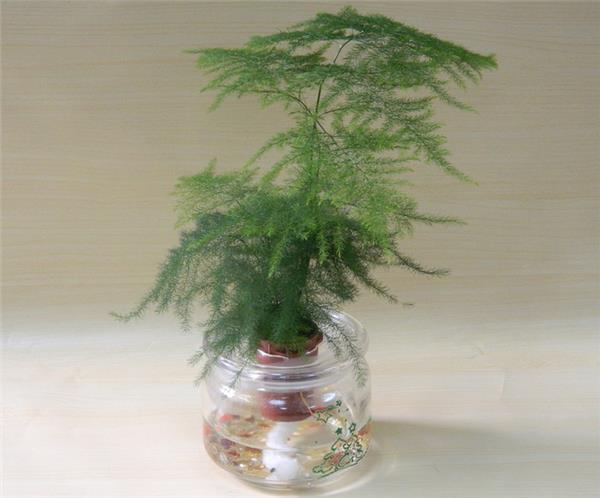
That is all for today's introduction on what water to use for hydroponic plants and how to change the water for hydroponic plants. I hope the above content can be of help to everyone!