Why Do Hydroponic Plant Leaves Turn Yellow? Causes and Solutions
When growing hydroponic plants, yellowing leaves are bound to occur sometimes. Below, let's look at the causes and solutions for yellowing in hydroponic plants.
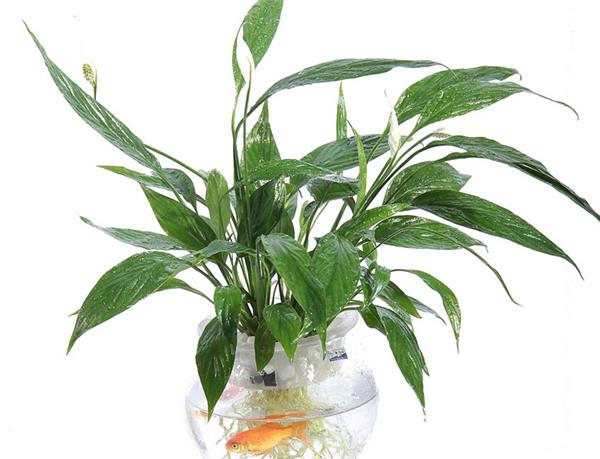
Causes and Solutions for Yellowing Leaves in Hydroponic Plants
Cause 1: Yellowing leaves are very likely caused by insufficient nutrients in the nutrient solution. As hydroponic plants grow, the nutrients in the culture solution in the container can no longer meet the needs of the hydroponic plants, and the leaves of the hydroponic plants will turn yellow. Or you may not have changed the tap water for a long time, and the nutrients in the tap water have basically been absorbed by the plants, thus causing the yellowing. Corresponding measures: At this time, the concentration of the culture solution should be appropriately increased. Each time you prepare the culture solution, add a few more drops of it to add nutrients to the hydroponic plants; remember to change the water regularly and replace the culture solution.
Cause 2: Each plant has different habits. Some prefer shade and some prefer sunlight. Excessive exposure to strong sun or no sunlight at all can cause plant leaves to turn yellow. Measures: Understand the habits of the hydroponic plant you are growing, how often it needs sunlight, and where it should be placed to get sunlight, then take corresponding measures according to its habits.
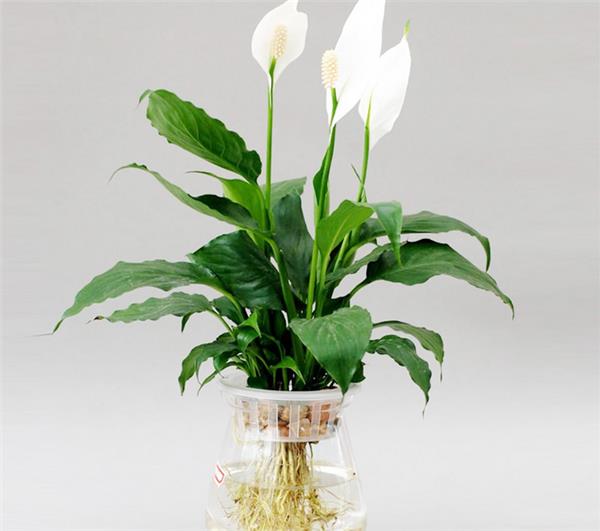
Cause 3: Temperature. Temperature is also one of the necessary conditions for the growth of hydroponic plants. Indoor temperatures are suitable for the growth of most hydroponic plants. Measures: Check whether household appliances have affected the temperature environment of the plants.
Cause 4: The environment where the roots grow. Problems with the roots can also cause leaves to turn yellow. If the roots of hydroponic plants are soaked in water too much, it will make it more difficult for the plants to absorb oxygen, causing the leaves to be unable to carry out photosynthesis. Measures: Adjust the water soaking situation of the roots, raise the water level, and about half soaked in water and half exposed to air is enough.
Cause 5: Too much nutrient solution causes yellowing leaves. Some hydroponic plants can survive without much nutrition, so yellowing leaves may also be caused by using too much nutrient solution. Measures: Dilute the nutrient solution and reduce the plant's intake of nutrient solution.
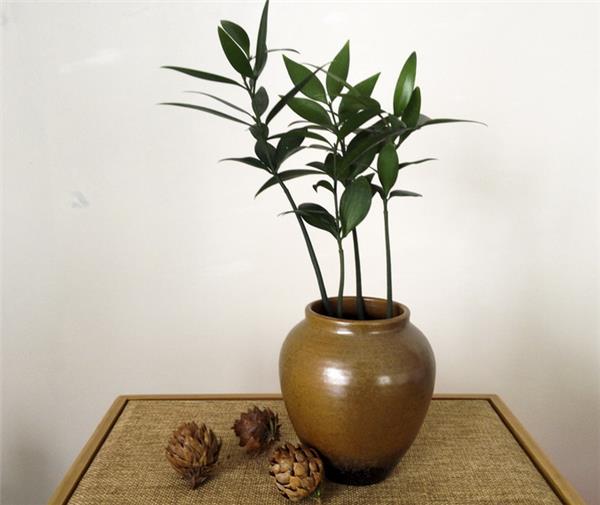
Key Points for Caring for Hydroponic Plants
1. Change the water regularly, with the principle being to change the water when the water in the hydroponic container becomes slightly cloudy. Generally, in spring and autumn, change the water once every 10-15 days; in summer, the replacement cycle is about 5 days; in winter, change it once every 30 days.
2. Each time you change the water, first wash the roots of the hydroponic flowers and the hydroponic container with clean water, and wipe the dust off the leaves with a damp cloth to keep the leaves clean, and prune dead branches, withered leaves and rotten roots.
3. When changing the water, add 4 bottle caps of hydroponic nutrient solution to each liter of clean water (cooled boiled water, mountain spring water, magnetized water and other water sources are preferable; if using tap water, it needs to be left to settle for more than 6 hours), shake well, and it is ready for hydroponic flowers.
4. When adding water, the number of flower roots immersed in water should not exceed 1/2; the remaining roots should stay in the air inside the hydroponic container, and the roots should be kept hanging down naturally as much as possible; later, you can occasionally shake the water in the hydroponic container.
5. Pay attention to maintaining ventilation, and the placement location should have a certain amount of air humidity. If the air humidity is insufficient, spray mist-like clean water into the air to increase air humidity. Usually, you can spray a small amount of mist-like clean water on the leaves, or wipe the flower leaves with a damp cloth to keep the leaves clean and dust-free.
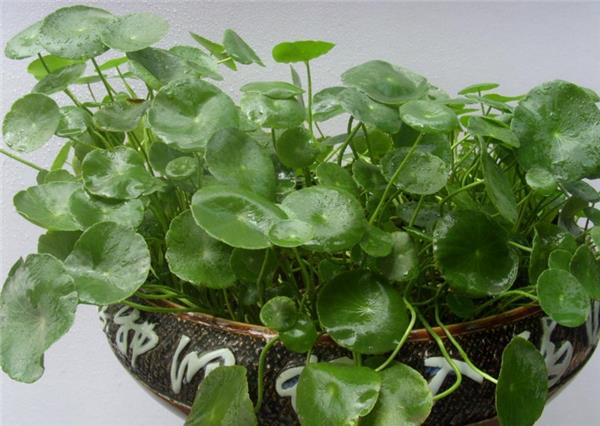
6. Hydroponic flowers can generally be placed in indoor environments such as offices, meeting rooms, halls, coffee tables, next to computers, kitchens, bedrooms, living rooms, and bathrooms. When placing them, put them in a place with relatively sufficient indoor sunlight as much as possible (that is, a sunny spot with more scattered light), but avoid direct sunlight and cold wind.
7. Indoor temperature should be controlled between 8°C and 30°C. If the temperature is too high, air conditioning, water spraying, water curtain cooling and other methods can be used to lower it appropriately, and ventilation must be strengthened at the same time; in winter, attention should be paid to keeping warm for overwintering, and it should often receive scattered light or direct sunlight. If extreme low temperatures occur, a heater can be used to increase the ambient temperature, or a thicker transparent plastic bag can be used to cover the hydroponic flowers from top to bottom, with 3-4 holes opened in the plastic bag for ventilation and to prevent cold wind.
8. If rotten roots are found on hydroponic flowers, they should be thoroughly removed in time. First use clean pruning shears to cut off the rotten roots from the base in one go; then disinfect the roots with 0.5% potassium permanganate for 10 minutes, and rinse them clean with clean water; afterward, use clean water (or magnetized water) and a planting basket to fix and suspend them in water for 7-15 days, changing the water once every two days. After new water roots grow, an appropriate amount of nutrient solution can be added for normal hydroponic cultivation.
9. If conditions permit, you can also add 1% hydrogen peroxide (that is, 3% hydrogen peroxide solution) or 0.1% potassium permanganate to the hydroponic nutrient solution to help release oxygen or inhibit the growth of harmful bacteria and algae in the water; of course, you can also add a small amount of microbial bacterial fertilizer or activated carbon to the hydroponic nutrient solution to improve water quality and make it more conducive to absorption by plant roots.
10. According to personal preference, a small number of aquatic organisms such as goldfish and aquatic plants can be kept in the hydroponic container, and colorful decorative stones can be added to enhance its ornamental value.
and rinse it clean with clean water; afterward, use clean water (or magnetized water) and a planting basket to fix and suspend it in water for 7-15 days, changing the water once every two days. After new water roots grow, an appropriate amount of nutrient solution can be added for normal hydroponic cultivation.9. If conditions permit, you can also add 1% hydrogen peroxide (that is, 3% hydrogen peroxide solution) or 0.1% potassium permanganate to the hydroponic nutrient solution to help release oxygen or inhibit the growth of harmful bacteria and algae in the water; of course, you can also add a small amount of microbial bacterial fertilizer or activated carbon to the hydroponic nutrient solution to improve water quality and make it more conducive to absorption by plant roots.
10. According to personal preference, a small number of aquatic organisms such as goldfish and aquatic plants can be kept in the hydroponic container, and colorful decorative stones can be added to enhance its ornamental value.