How to Grow Hydroponic Plants? Detailed Guide to Methods and Techniques
Now, houseplants are entering more and more homes, and hydroponic plants are especially popular because they are clean, hygienic and easy to care for. So how do you grow hydroponic plants?
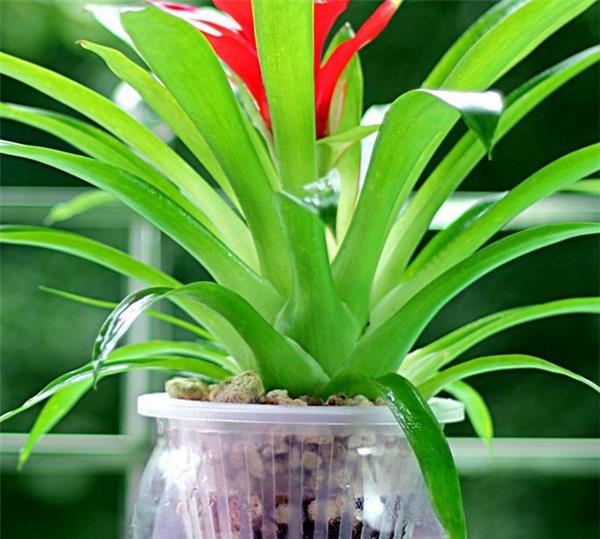
How to Grow Hydroponic Plants
1. Temperature:
The growing temperature for hydroponic plants is between 15-30°C. If it is too high or too low, the plants stop growing and enter a dormant state. Below 10°C, the plants are prone to cold damage.
2. Light:
Because water conducts light strongly, under intense sunlight the water temperature rises rapidly and scalds the cells and tissues of the plant roots. Therefore, the light requirement for hydroponic plants is limited to a bright indoor spot, but not in direct sunlight. In winter, supplement with light as appropriate. Because of the light requirements of hydroponic plants, when choosing hydroponic flowers we should choose those indoor ornamental plants that prefer shade or tolerate shade.
3. Growing medium (water):
1) Domestic tap water (neutral), with the chlorine removed (method: leave it standing for two days, or add the fish medication Yulebao and it can be used directly).
2) Change the water regularly; once a week is preferable. (The purposes of changing the water: a. It adds oxygen for the plant roots to breathe. In summer, when temperatures are high, the oxygen content in the water is low, so the water should be changed more often than usual. b. The plant's metabolic waste is excreted into the water, and regular water changes help keep the water environment clean.)
3) When changing the water, rinse off the secretions from the plant roots, clean the container, remove rotten roots, and add hydroponic plant nutrient solution.
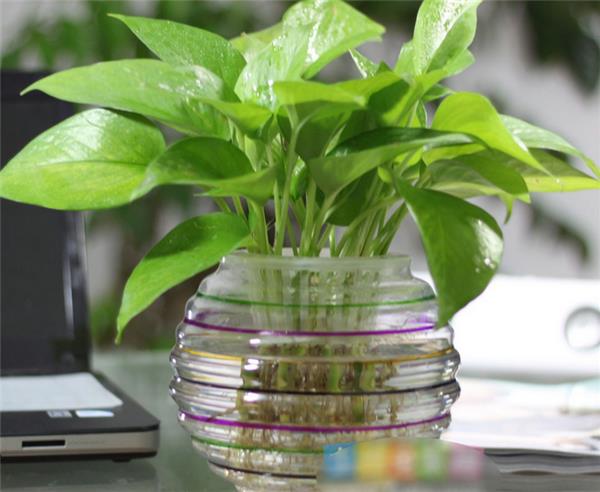
4. Hydroponic plant nutrient solution:
It is made up of more than a dozen major elements and trace elements needed for plant growth. Acidic elements and alkaline elements each make up part of it. If they are put in one bottle, a chemical reaction will occur, producing other substances and affecting the plant's absorption. Therefore, the A and B bottle separation method is used, and they are added separately.
5. Root care:
The physiological characteristics of plant roots include avoidance of light (indoor light is still acceptable); strong light accelerates the aging of plant root cells, leading to root rot. When changing the water, be careful not to damage the roots (when changing water in winter, note that the water temperature must not be too low); if rotten or decayed roots occur, clean them out promptly and increase the frequency of water changes until things return to normal.
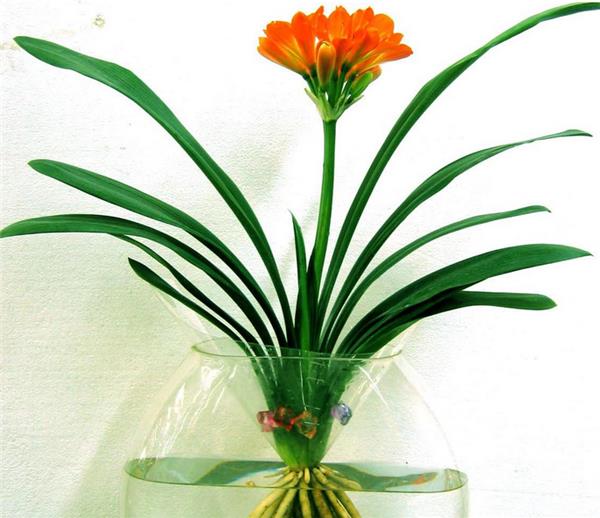
6. Humidity and ventilation:
Because hydroponic flowers are grown indoors, this determines the range of plants we choose: indoor ornamental plants that prefer shade or tolerate shade. Besides liking warm environmental conditions, most of these plants also have the ecological characteristic of liking moisture. So during cultivation, spray a mist of water on the leaves (do not spray water on the leaves at night) to increase humidity and help the plants grow. Excessive humidity easily breeds bacteria and leads to bacterial damage to the plants. Ventilation is an effective way to adjust humidity and prevent bacterial damage. Of course, in home cultivation, excessive humidity usually does not occur. But appropriate ventilation and air circulation will also help the plants grow.
7. After hydroponic cultivation, plants must still follow their original ecological habits:
After plants are converted from a terrestrial form to hydroponic cultivation, although there are some shared cultivation guidelines, they do not all become exactly the same from then on. For example, plants that like a dry environment cannot be sprayed on the leaves every day after being grown hydroponically, because their ecological habits have not changed. So when cultivating them, we must still follow their inherent ecological habits.
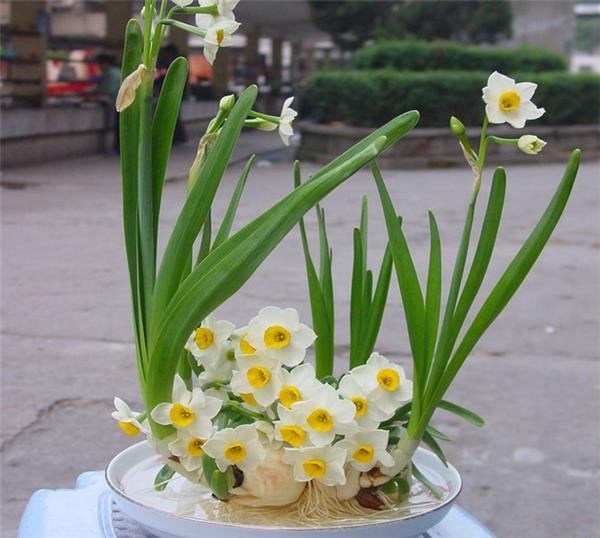
How to Change the Water for Hydroponic Plants
1. Water change timing:
Generally, a water change interval of 5-7 days is preferable. But the water change depends on the season. For flowers that have just been converted to hydroponics, change the water once every 1-2 days. In summer, plants grow vigorously and temperatures are high, so the water easily spoils and the interval should be shortened. In winter, most plants are in a semi-dormant or dormant state and temperatures are lower, so the water change interval can be longer. Overall, a shorter water change interval is beneficial to plant growth.
2. Cleaning the roots and container:
When changing the water, the roots should be cleaned. You can use clean water to rinse off the mucus on the roots, and cut away some rotten roots and old roots that have lost their absorption capacity. After a container has been used for a period of time, some sediment will stick to its walls, and algae tends to grow, so it should also be cleaned thoroughly when changing the water.
3. Water depth:
When growing flowers hydroponically, people often immerse the roots in water, but this method is not appropriate. It is best not to add too much water: immerse most of the roots in the water and leave a small portion of the roots exposed to the air, so that the roots can both absorb dissolved oxygen from the water and take in oxygen from the air.
Leave a small portion of the roots exposed to the air, so that the roots can both absorb dissolved oxygen from the water and take in oxygen from the air.