How to Grow Hydroponic Flowers? A Complete Guide to Care Techniques
Nowadays, houseplants are entering more and more homes, and hydroponic flowers are especially popular because they are clean, hygienic and easy to care for. So how do you grow hydroponic flowers?
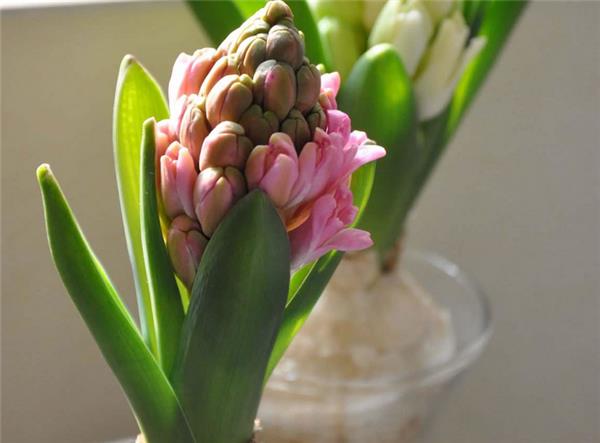
How to Grow Hydroponic Flowers
I. Temperature
The suitable growing temperature for hydroponic flowers is above 5 degrees and below 30 degrees. In other words, as long as the temperature feels fairly comfortable to people, the plants will feel comfortable too and can grow normally; even in winter they can still have lush foliage and add vibrant life to our homes.
II. Light
Mainly indirect light. What is indirect light? It is natural light coming in through windows and other openings, scattered naturally indoors. Generally, plants only need adequate brightness to grow; they do not necessarily have to be exposed to direct sunlight, and in summer, direct sunlight should be avoided as much as possible.
III. Nutrient Solution
Generally, you can simply use the special hydroponic nutrient solution sold on the market, and mix the appropriate concentration according to the instructions, for example diluting 400 times or 1000 times; be sure not to get the ratio wrong. When preparing it, let tap water sit for two hours to half a day until its temperature is close to room temperature and the chlorine and other substances in the water have fully evaporated, then add the concentrated nutrient solution in proportion, and it becomes a nutrient solution suitable for growing hydroponic flowers.
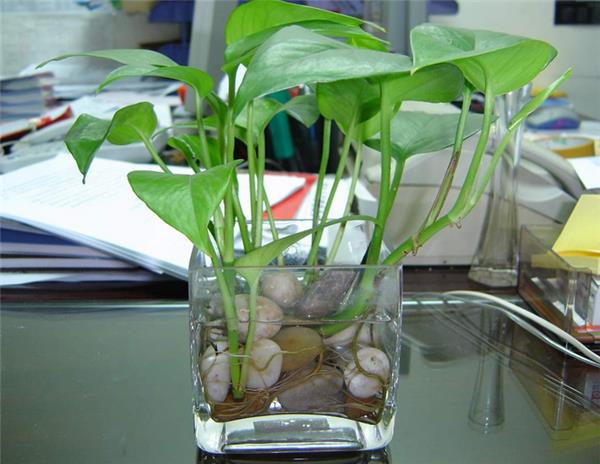
IV. Changing the Water
Changing the water means replacing the water in the container that has nutrient solution added. Generally, in spring and autumn, change the water once every 5-10 days; in summer, change it about once every 5 days; in winter, change it once every 10-15 days (let tap water sit for half a day, then add the concentrated nutrient solution in proportion).
Changing the water is to ensure the oxygen supply in the water. Fresh water contains more oxygen, so the plants will grow more healthily. If the water is not changed for a long time, the plants can still hold on for a while. For example, sometimes when everyone goes on a business trip or vacation and is away from home for ten days to half a month or even a month, soil-grown plants would have long since given up and died, while hydroponic flowers can still survive as long as you add more water; but if the time is too long and the water in the container becomes very stale or spoiled, it will affect the growth of the hydroponic flowers, and in severe cases, it can also cause their death.
Note: When changing the water, please expose half or one third of the plant's roots.
V. Cleaning
Each time you change the water, rinse the plant's roots and container with clean water, and prune dead branches, withered leaves and rotten roots. Under normal growth conditions, hydroponic flowers will periodically rot some roots and then grow new ones, so when you find rotten roots, do not panic at first; just use sterilized scissors (disinfected with alcohol cotton) to trim off the rotten roots. Sometimes you can also trim off some old roots to promote the growth of new roots (note: this should be done under the guidance of professionals). But be sure not to damage the water roots, otherwise it will affect the plant's growth.
The roots of hydroponic flowers: the white, tender roots above are the water roots. Some grow directly from the base of the stem, and some grow from the main root. They are all responsible for the plant's absorption function, so be sure not to damage them.
VI. Moisture Retention
In winter, there is very little moisture in the air, especially in the north, where indoors is very dry, which is unfavorable for plant growth. So in daily care, please spray the leaves with clean water to maintain humidity; you can spray clean water twice a day.
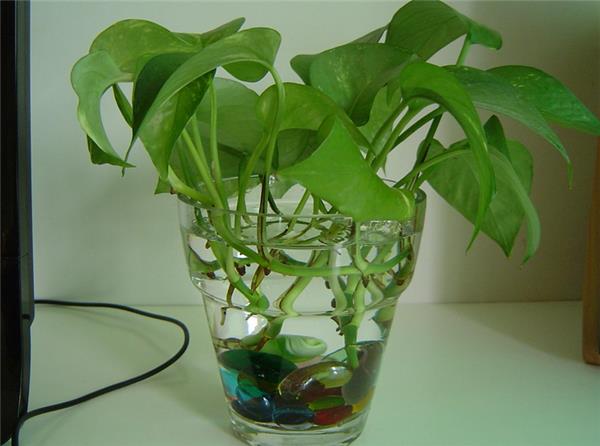
Hydroponic Flower Propagation Methods
① Water cutting method: This is the simplest and easiest method to succeed with. Cut part of the stem or branch from a selected mother flower plant, insert it into water, and under suitable conditions it will take root, sprout and grow into a new plant. When cutting the branch, cut it 3-5 mm below the node, and the cut surface should be smooth, with no longitudinal cracks. When cutting branches that have aerial roots, protect the aerial roots and insert them into the water. Pothos, lucky bamboo and others are all suitable for this hydroponic method.
② Root washing method: Choose an ornamental flower that is robust in growth and already formed through soil cultivation (or cultivation in other media), remove the soil, wash the root system, and then switch it to hydroponics. When washing the roots, it is best to use running water. Place the washed flower into a prepared vessel, and add tap water until it covers 2/3-1/2 of the root system. At first, change the clean water once a day, and at the same time wash the roots and vessel; after one week, reduce the frequency of water changes. Once the cultivated flower grows new roots in the water, it shows that it has adapted to the hydroponic environment, and you can change the water once every 7-10 days, or even longer.
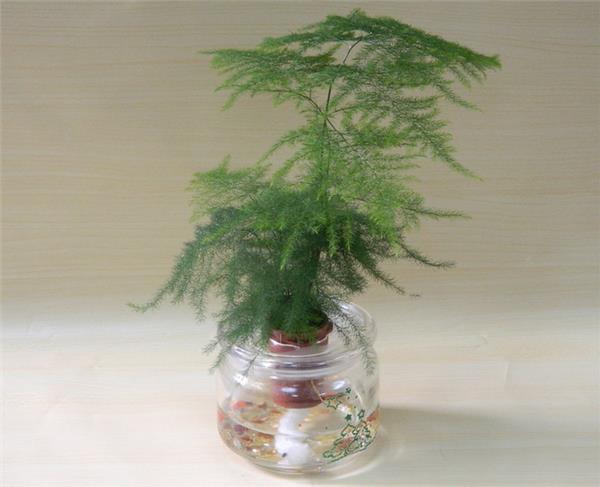
③ Detaching offset method: Suitable for flowers with strong tillering ability, such as clivia and bromeliads. The method is simple and the survival rate is high. Choose a relatively large offset, remove the upper soil to expose the part connected to the mother plant, detach the offset from the mother plant by hand or with a sharp blade (protect the roots of the offset), wash off the soil attached to the roots, and cultivate it hydroponically.
④ Removing plantlets from runners method: Some flowers produce runners during growth, and the runners bear one to many small plantlets. Most of the small plantlets have a small number of fully developed roots, such as spider plants and staghorn ferns, which both have this characteristic. Taking advantage of this feature of the flowers, pick off the formed small plantlets for hydroponics, which is very convenient.