How to Water Houseplants? A Detailed Guide to Watering Methods for Common Species
Plants need careful tending from people to grow stronger, so when growing plants at home, you must master the watering methods. Below, we introduce the watering methods for common houseplants.
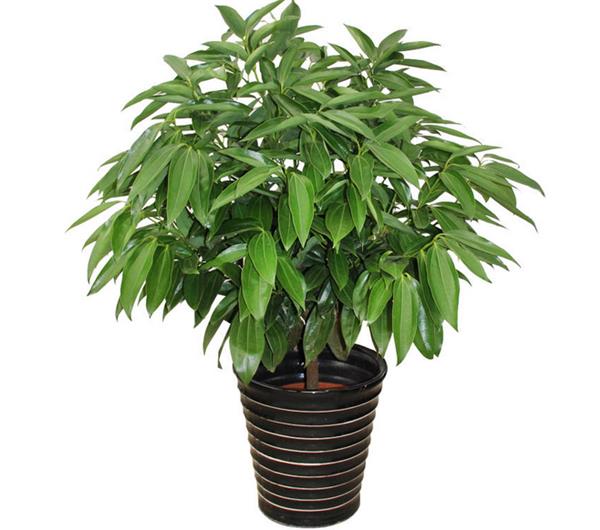
Watering Methods for Common Houseplants
1. Peace Lily (Machilus): likes water, water once a week, remember to water thoroughly, and give it a bit more sun.
2. Ficus (Banyan): likes water, water once a week, remember to water thoroughly, and give it more sun.
3. Camellia: likes water, water once every three to four days, remember to water thoroughly, and give it appropriate sun.
4. Golden Pothos (Philodendron 'Golden Diamond'): likes water, remember to water once a week, water thoroughly, and give it appropriate sun.
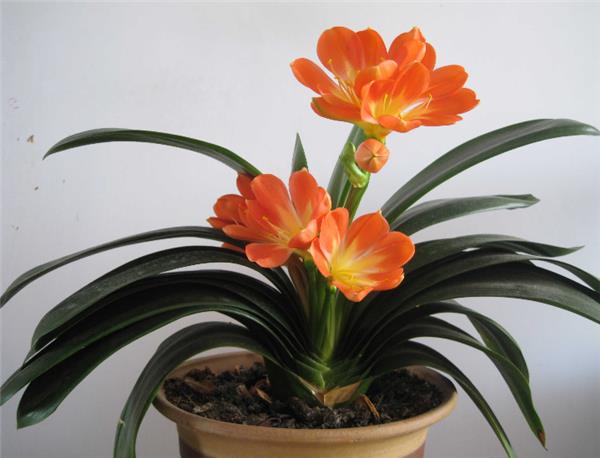
5. Clivia: water about once every half month, do not water thoroughly, and right after watering, place it on a balcony with weak sunlight to cool for a few days, otherwise the roots will rot from being too wet; it should not be exposed to strong sun.
6. Dragon Whiskers (Asparagus Fern): likes water, water once a week, water thoroughly, and give it appropriate sun.
7. Anthurium: water once every twelve days, water thoroughly, and give it appropriate sun.
8. Bromeliad (Pineapple): water once every twelve days, water thoroughly, and give it little sun.
9. Golden Pothos (Epipremnum aureum): likes water, water once every three to four days, water thoroughly, give it little sun, and placing it in a spot with light is also fine.
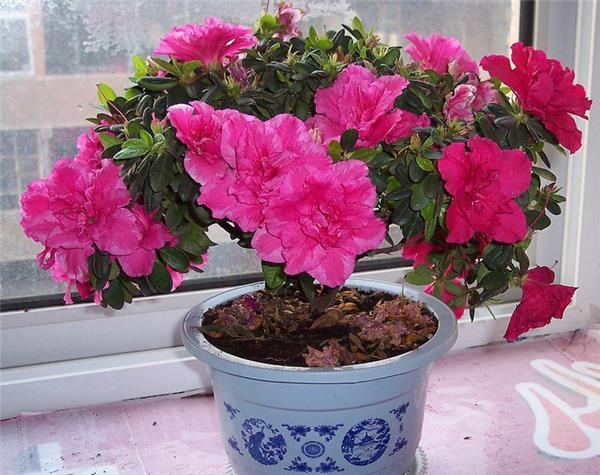
10. Azalea: water once a week, water thoroughly, it must not be exposed to direct sun, and place it in a bright spot.
11. Begonia: water once a week, water thoroughly, give it little sun, and place it in a bright spot; direct sun on the flowers will make them lose their color and reduce their ornamental value.
12. Kalanchoe: water once a week, water thoroughly, give it little sun, and place it in a bright spot; direct sun on the flowers will make them shrivel.
13. Snake Plant: water once every half month, do not water thoroughly, and right after watering, place it on a balcony with weak sunlight to cool for a few days, otherwise the roots will rot from being too wet; it should not be exposed to strong sun.
14. Purslane: likes water, water once a week, water thoroughly, and give it more sun.
15. Money Tree: does not like water, spray a small amount of water every 20 days, or pour a little water into the saucer; it cannot be exposed to sun, and if you water it thoroughly all at once it will die, so water with caution.
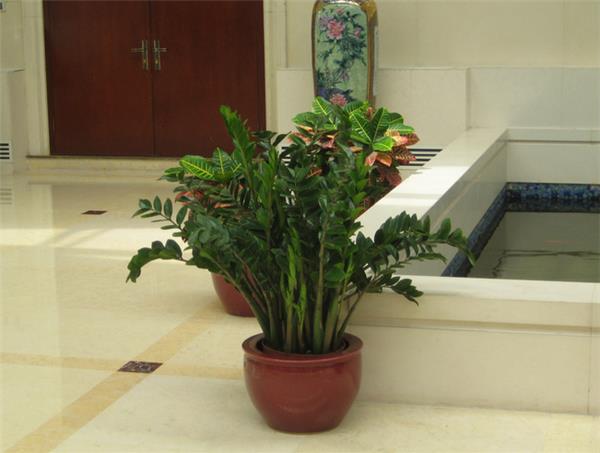
16. Zamioculcas (Money Tree): does not like water, spray a small amount of water every half month, or pour a little water into the saucer; it cannot be exposed to sun.
Next, let us look at the common pruning methods for indoor bonsai.
1. Pinching and Bud Removal
Generally, when plants grow to a certain extent, people need to prune them, especially pinching and bud removal, and for bonsai plants, pinching and bud removal are even more important. Pinching means removing the tender tip at the top of the plant's branches, and bud removal means removing the adventitious buds that grow on the plant. The purpose of this pruning is to stabilize the growth of the bonsai plant, promote the development of side branches, and also to prevent the plant from sprouting forked branches that would ruin the overall beauty of the bonsai. One thing everyone should pay attention to is pinching: it must be done on time at set intervals, otherwise it will really seriously damage the bonsai.
2. Branch Pruning and Root Pruning
Branch pruning and root pruning are also pruning methods people often use for bonsai plants. Branch pruning means trimming the plant's branches. As everyone knows, most bonsai have a basic shape, and if there are too many side branches growing from the plant, the overall shape of the bonsai is ruined, so this needs constant attention. Usually this pruning should be decided according to the specific tree shape of the plant, and any branches that block or ruin the tree shape should be pruned in time. Root pruning means trimming a plant's overly dense root system. If the plant's roots are too dense, the tree's new roots will develop poorly, which is not good for the plant's growth, so when necessary, remember to prune the roots.
3. Thinning and Heading Back
Plants usually grow quite fast, and in a very short time the plant's leaves or branches, flower buds and the like will fill the branch tips, seriously ruining the beauty of the whole bonsai. So at this time, thinning work on the plant is needed: cut off the plant's excess branches, leaves and flowers to keep the plant's form neat and beautiful. Heading back is a pruning method specifically for large flowering plants, such as the rubber tree and dragon tree and the like. In spring, before the plant sprouts new branches, use scissors to cut off the entire upper part of the plant; this is called heading back. The purpose of doing this is to promote rapid growth of the plant while maintaining the bonsai's shape.
The purpose of doing this is to promote rapid growth of the plant while maintaining the bonsai's shape.